

Maddy summaryHR 8796, the "Stop Comstock Act," removes outdated restrictions from federal law that previously banned the distribution of materials related to contraception and abortion as "obscene" or "indecent." The bill amends Title 18 and the Tariff Act by deleting references to "indecent," "immoral," "unlawful abortion," and "procuring abortion" from provisions governing obscene materials. It clarifies that the law only prohibits "obscene materials" in commerce, eliminating broad restrictions on reproductive health information. This directly affects internet platforms, healthcare providers, and individuals sharing reproductive health resources by removing legal barriers to their distribution.
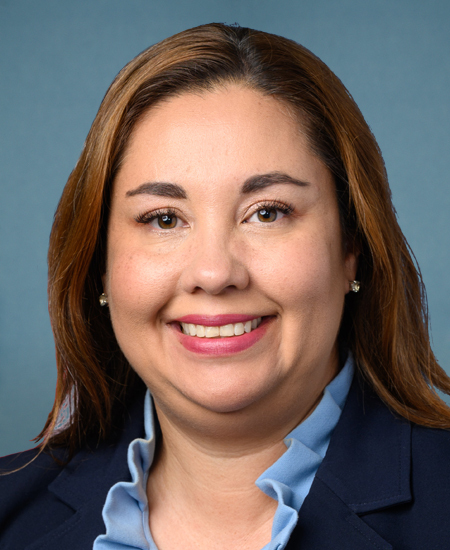
Rep. Yadira Caraveo
Sponsored bills
Maddy summaryThis bill requires the Secretary of Health and Human Services to submit annual reports to Congress starting in 2026 about Medicare Part D's "monthly capped cost-sharing option." The reports must track how many seniors use this option (paying a fixed monthly amount instead of variable out-of-pocket costs for prescriptions), estimate how many might benefit but aren't using it, and detail outreach efforts to inform seniors. Key mechanisms include data on enrollment via point-of-sale systems, Medicare.gov, the "Medicare & You" handbook, and 1-800-MEDICARE. The bill does not change the benefit itself but mandates transparency to improve awareness of an existing Medicare Part D option for seniors.
Maddy summaryThis bill requires Medicare Advantage plans to implement electronic prior authorization systems by 2027 and publish detailed data on their approval and denial rates for medical services by 2026. It directly affects Medicare Advantage plans (private insurers offering Medicare coverage) and their enrollees (seniors 65+), mandating transparency about prior authorization decisions, processing times, and appeal outcomes. Key provisions include requiring plans to report annual statistics on request approvals/denials, average processing times, and use of technology, with this data published publicly by the Centers for Medicare & Medicaid Services. The bill also sets timelines for plan responses to prior authorization requests and mandates reports to Congress on implementation and impacts.
Maddy summaryThe Ensuring Excellence in Mental Health Act (HR 8543) establishes a permanent Medicaid payment system for Certified Community Behavioral Health Clinics (CCBHCs) and adds their services to Medicare coverage. It creates a new Medicaid payment system that calculates payments based on clinic costs with annual inflation adjustments, and sets Medicare reimbursement at 80% of the lesser of actual charges or determined amounts. The bill also creates a new grant program providing $552.5 million annually from 2024-2028 to support CCBHC operations, with specific certification requirements including 24/7 crisis services, sliding scale fees, and care coordination across providers. The legislation requires clinics to meet new certification standards and establishes a data collection system to track clinic performance.
Maddy summaryThe Court Improvement Program Enhancement Act of 2024 expands federal funding for state court systems to support technological improvements that prevent disruptions (such as natural disasters, cyber-attacks, or public health crises) and enable remote court proceedings. It specifically requires states to assess and implement best practices for remote hearings in foster care and adoption cases, prioritizing participant engagement and privacy during emergencies. The bill mandates that the federal government issue updated guidelines every five years on conducting remote proceedings, with the first guidelines due by January 2025, including consultation with Indian tribes for cases involving Native children under the Indian Child Welfare Act. Additionally, it increases the annual funding reservation for the Court Improvement Program from $30 million to $40 million.
Maddy summaryThis bill aims to increase participation in clinical trials among underrepresented populations - including racial/ethnic minorities, rural residents, and other historically excluded groups - by addressing financial and logistical barriers. It creates federal grants to fund community outreach, training for diverse clinical trial staff, and partnerships with community organizations. The bill also allows sponsors to cover participants' out-of-pocket costs (like travel and meals) and provide necessary digital tools without violating fraud laws, while making such payments tax-free up to $2,000 per year. These changes directly affect drug/device manufacturers, clinical trial sites, and underserved communities seeking equitable access to medical research.
Maddy summaryThe ROCR Value Based Program Act establishes a new Medicare payment system for radiation oncology services, replacing the current fee-for-service model with a per-episode payment structure. This program affects radiation therapy providers (hospital outpatient departments) and suppliers (physician practices or freestanding centers) treating Medicare beneficiaries with specific cancer types (including breast, prostate, lung, and brain metastases). Key provisions include 80% of the payment being paid upfront within 30 days of treatment start, with the remaining 20% paid later; a health equity add-on payment of $500 per patient for transportation services to patients reporting transportation insecurity (using ICD-10 code Z59.82); and quality incentives for accredited providers through a 0.5% payment increase for meeting accreditation requirements. The program aims to stabilize payments, improve access to radiation therapy, enhance quality, leverage technology, and contain costs while maintaining Medicare savings.
Maddy summaryHR 8265, the Social Security Overpayment Fairness Act, requires the Social Security Administration (SSA) to provide beneficiaries with at least 120 days' notice before recovering overpayments of benefits under Titles II (disability/old-age) and XVI (supplemental security income). This directly affects individuals who receive more benefits than they are entitled to, giving them time to address the overpayment before recovery begins. The bill also mandates that the SSA submit a detailed report to Congress within 180 days, outlining strategies to improve overpayment prevention, beneficiary communication, and fair recovery practices - including avoiding undue financial strain through reasonable withholding amounts. These changes apply to overpayments existing on or after the bill's enactment date.
Maddy summaryThis bill requires Medicare to cover falls risk assessments and fall prevention services during annual wellness visits and initial preventive physical exams for seniors aged 65+ who have fallen in the previous year. It directly affects Medicare beneficiaries with recent falls and healthcare providers delivering these services under Medicare. The key mechanism expands existing Medicare benefits to include these specific fall prevention services, effective January 1, 2025. Additionally, it mandates annual reports starting in 2026 tracking falls data for seniors over 65 who received fall-related treatment.
Maddy summaryThe Prescription Drug Supply Chain Pricing Transparency Act requires the Government Accountability Office (GAO) to study how compensation and payment structures affect prescription drug prices within the supply chain. The GAO will examine how intermediaries like pharmacy benefit managers, drug wholesalers, and manufacturers set fees based on drug prices - including potential conflicts of interest - and analyze trends over time. This study must be completed within two years, with findings and recommendations submitted to Congress. The bill does not change current laws but aims to increase transparency for future policy decisions.