

Maddy summaryThis resolution (HRES 1472) symbolically recognizes the heritage, culture, and contributions of Latinas in the United States. It highlights their economic impact (over 2 million Latina-owned businesses), societal roles (48,000+ active-duty Latinas in the military, 18% of women-owned businesses), and ongoing challenges like the pay gap (Latinas earn 57 cents for every dollar earned by White, non-Hispanic men). The resolution notes that Latinas represent 1 in 5 U.S. women and will comprise 25% of the female population by 2060. As a non-binding resolution, it does not create new policies or allocate funds, but formally honors their contributions and acknowledges the need for continued progress.
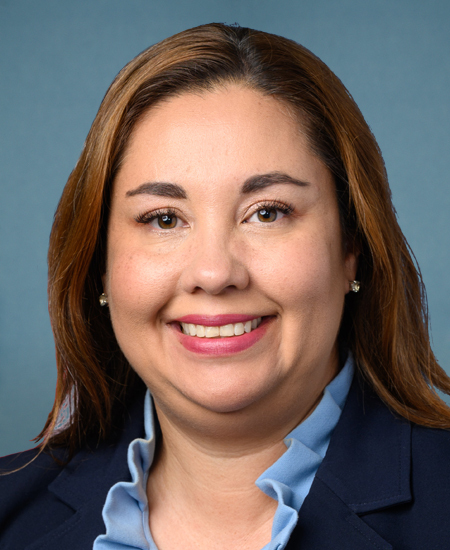
Rep. Yadira Caraveo
Sponsored bills
Maddy summaryThe Keep Kids Covered Act extends continuous health coverage under Medicaid and CHIP for children. It requires states to maintain eligibility for children under age 6 for six years (instead of one year) and for children ages 6-18 for 24 months (instead of 12 months), preventing coverage loss during minor income fluctuations. States must also annually update contact information for enrolled children and inform them of their remaining coverage period. This directly affects children enrolled in Medicaid or CHIP programs across all states, ensuring more stable health coverage without frequent reapplying.
Maddy summaryHR 6319 (the 911 SAVES Act of 2023) requires the Office of Management and Budget to reclassify public safety telecommunicators as "Protective Service Occupations" within 30 days of enactment. This change corrects their current misclassification in the federal Standard Occupational Classification (SOC) system, which is used for statistical data on jobs. The bill directly affects how these professionals - critical in emergency calls involving missing children, active threats, and officer safety - are officially categorized in government workforce data. It does not create new benefits or funding but aims to better recognize their lifesaving role through accurate federal job classification.
Maddy summaryThis bill creates a new occupational category (code 31-1123) within the federal Standard Occupational Classification system specifically for direct support professionals (DSPs) who assist people with intellectual or developmental disabilities. It directly affects DSPs, state agencies, and federal data collectors by reclassifying their work - currently grouped under home health aides - into a distinct category. The key mechanism is revising the SOC system to better track DSP workforce data, address high turnover rates (43% nationally), and recognize their unique role in promoting clients' independence and community inclusion. This change aims to improve data accuracy for addressing staffing challenges, without altering service delivery or benefits.
Maddy summaryHR 6160 reauthorizes the existing Lifespan Respite Care Program under the Public Health Service Act, extending its funding period from fiscal years 2020-2024 to 2024-2028. This program provides temporary relief for family caregivers of individuals with chronic illnesses or disabilities, directly benefiting caregivers and the people they support. The bill makes no changes to program eligibility or benefits - only extends the current funding authorization. It affects caregivers and care recipients who rely on this support, ensuring continued access to respite services through 2028.
Maddy summaryHR 6033, the SPEAK Act of 2024, creates a task force within the Department of Health and Human Services to address telehealth barriers for patients with limited English proficiency (LEP). The task force - comprising healthcare providers, tech vendors, language services, and patient advocates - will assess current obstacles and develop best practices for improving access to telehealth platforms, video interpretation, and digital patient portals. Within 90 days of each annual report, the Secretary must publish a public website sharing these best practices, including guidance on integrating interpreters and making telehealth instructions accessible. The bill directly affects LEP patients and healthcare providers who serve them, aiming to make digital health tools more usable through concrete, evidence-based recommendations.
Maddy summaryThis bill modifies Medicaid and CHIP rules to let eligible out-of-state healthcare providers enroll without extra state screening. It applies to providers already in Medicare or their home state program, with low fraud risk, serving children under 21 with complex medical conditions. Providers would receive 5 years of enrollment under this streamlined process, eliminating state-level barriers. The change directly affects children seeking specialized care across state lines and the providers who serve them.
Maddy summaryHRES 1453 is a symbolic resolution designating September 2024 as "National Workforce Development Month." It expresses the House of Representatives' support for recognizing efforts to strengthen workforce skills and career opportunities across the U.S. The resolution highlights workforce challenges (like unfilled jobs and unemployment disparities) but does not create new laws, allocate funds, or change existing programs. It serves only to acknowledge the importance of workforce development for economic growth and worker stability.
Maddy summaryHR 9618, the "Lowering CAR Insurance Act," requires the federal government to issue an annual report on the automobile insurance industry. The report, due by September 30 each year, must include legislative recommendations for reducing auto insurance costs and other relevant industry data, and is submitted to the President and specific congressional committees (Financial Services and Banking committees). This bill does not directly change insurance rates or regulations but mandates a structured review to inform future policy decisions. It affects federal agencies responsible for compiling the report and Congress, which may use the findings to shape future legislation. The requirement becomes effective 90 days after the bill is enacted.
Maddy summaryHRES 1448 is a non-binding House resolution stating that the House believes every person has the right to emergency health care, including abortion care, during medical emergencies. It specifically addresses concerns that abortion restrictions force medical providers to choose between treating patients in life-threatening situations or risking criminal charges. The resolution highlights that such restrictions disproportionately harm Black, Indigenous, people of color, immigrants, low-income individuals, and LGBTQI+ patients. It does not change existing laws but expresses congressional support for ensuring access to emergency care without legal barriers. The resolution was introduced by multiple House members and referred to the Energy and Commerce Committee.