

Maddy summaryThis bill creates a new occupational category (code 31-1123) within the federal Standard Occupational Classification system specifically for direct support professionals (DSPs) who assist people with intellectual or developmental disabilities. It directly affects DSPs, state agencies, and federal data collectors by reclassifying their work - currently grouped under home health aides - into a distinct category. The key mechanism is revising the SOC system to better track DSP workforce data, address high turnover rates (43% nationally), and recognize their unique role in promoting clients' independence and community inclusion. This change aims to improve data accuracy for addressing staffing challenges, without altering service delivery or benefits.
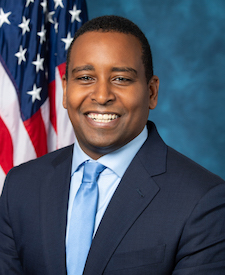
Rep. Joe Neguse
Sponsored bills
Maddy summaryHR 9660, the SEEK HELP Act, provides legal protections for individuals responding to opioid overdoses. It shields people from civil lawsuits for administering opioid reversal drugs (like naloxone) in good faith and protects those seeking medical help during overdoses from criminal prosecution or asset forfeiture related to drug possession. The bill requires the federal government to run public awareness campaigns about these protections and allows states to use grant funds for overdose response education. It also mandates a GAO report to evaluate how effectively these protections encourage overdose reporting and reduce fatalities. The law directly affects bystanders, emergency responders, and law enforcement officers handling overdose situations.
Maddy summaryThis bill names the Battle Creek, Michigan, United States Postal Service facility at 90 McCamly Street South as the "Sojourner Truth Post Office." It directly affects that specific post office location and all federal documents referencing it. The bill updates official records, maps, and references to use the new name instead of the previous designation.
Maddy summaryThe Veterans Accessibility Advisory Committee Act of 2024 establishes a new advisory committee within the Department of Veterans Affairs (VA) to improve accessibility for veterans and others with disabilities. The committee, composed of 15 voting members including veterans with disabilities, accessibility experts, VA staff, and veterans service organization representatives, will advise the VA Secretary on making services, facilities, information, and technology more accessible. It must meet at least twice yearly, assess accessibility barriers through reviews of complaints and facility assessments, and submit biennial reports to the VA Secretary and Congress detailing progress, unmet needs, and recommendations. These reports will guide the VA in complying with accessibility laws like the Americans with Disabilities Act and Section 508 of the Rehabilitation Act. The committee will operate for 10 years from the bill’s enactment.
Maddy summaryThis bill modifies Medicaid and CHIP rules to let eligible out-of-state healthcare providers enroll without extra state screening. It applies to providers already in Medicare or their home state program, with low fraud risk, serving children under 21 with complex medical conditions. Providers would receive 5 years of enrollment under this streamlined process, eliminating state-level barriers. The change directly affects children seeking specialized care across state lines and the providers who serve them.
Maddy summaryHRES 1461 is a symbolic resolution designating September 2024 as "National Voting Rights Month" to raise awareness about voting access. It encourages all U.S. citizens to uphold voting rights, supports existing voting rights legislation like the Freedom to Vote Act, and recommends schools teach about voting history and current restrictions. The resolution specifically aims to highlight efforts to address historical and ongoing barriers affecting historically marginalized groups, including Black, Latino, and disabled voters. It does not create new laws but promotes educational initiatives and media campaigns about registration deadlines and election access.
Maddy summaryHRES 1456 is a symbolic resolution designating September 17, 2024, as "Constitution Day" to honor the signing of the U.S. Constitution on September 17, 1787. It calls for the people of the United States to observe the day with ceremonies and activities, recognizing the Constitution's historical significance and foundational role in American governance. This resolution does not create new laws or affect any individuals or policies; it is purely a non-binding expression of support by the House of Representatives.
Maddy summaryHR 9614, the ENABLE Act, permanently extends key tax benefits for ABLE accounts, which help people with disabilities save money without losing government benefits. The bill removes an expiration date (previously set for January 1, 2026) for higher contribution limits and the savers credit for ABLE accounts, and allows permanent rollovers of funds from 529 college savings plans into ABLE accounts. These changes directly affect individuals with disabilities and their families who use ABLE accounts for savings. The bill makes these provisions permanent, applying to future taxable years and distributions after enactment.
Maddy summaryHR 9449 establishes a "preferred provider list" for healthcare providers offering community care to veterans through the VA. It requires providers to complete annual, evidence-based suicide prevention training to be listed publicly, making it easier for veterans to find trained providers. The VA must annually report to Congress on the list's implementation, including provider numbers, veteran utilization patterns, and recommendations for improvement. This directly affects veterans seeking community care and healthcare providers participating in the VA's community care program.
Maddy summaryThis bill pauses interest charges and payment requirements for one year on Small Business Administration (SBA) disaster loans issued for disasters declared after the law passes. It directly helps small businesses affected by federally declared disasters by easing their immediate financial burden. The SBA must set interest at zero percent and suspend principal payments for 12 months starting from when the loan is disbursed. This applies only to new loans made under the specified disaster declaration criteria.