

Maddy summaryH.J.Res. 25 would remove the 1979 deadline for states to ratify the Equal Rights Amendment (ERA), which was originally proposed in 1972. This bill directly affects states that ratified the ERA after the deadline (such as Nevada, Illinois, and Virginia in 2017-2018) by making their ratifications legally valid. The key provision states that the ERA is valid as part of the Constitution if ratified by three-fourths of states, regardless of the original deadline. The bill does not create new rights but aims to finalize the constitutional amendment process by eliminating the time limit.
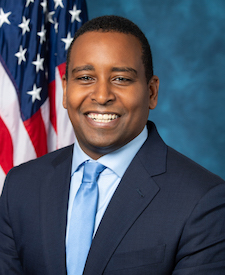
Rep. Joe Neguse
Sponsored bills
Maddy summaryThis bill increases funding for home modifications for disabled veterans using VA home health services. It raises the maximum annual amount veterans can receive for home improvements from $6,800 to $10,000 and for structural alterations from $2,000 to $5,000. The bill also requires annual adjustments to these amounts based on inflation, using the Consumer Price Index, to maintain their real value over time. These changes apply only to veterans who first apply for these benefits after the bill's enactment date.
Maddy summaryHR 1774, the VA Emergency Transportation Act, expands VA benefits to cover emergency transportation for veterans. It amends existing law to replace "emergency treatment" with "emergency services" throughout, explicitly including ambulance or air ambulance transport as covered services. This means veterans needing emergency transport to or from a medical facility (to receive treatment) can now have those costs reimbursed by the VA. The bill directly affects veterans who require urgent medical transport, clarifying that such transportation is part of their covered VA benefits.
Maddy summaryHR 1639 establishes a 5-year pilot program at five VA medical centers to implement the Zero Suicide Institute's curriculum, aiming to improve suicide care for veterans. The program requires participating sites to train staff on standardized suicide screening, assessment, treatment protocols, and safety planning over ten weeks, with one site specifically serving rural veterans. It mandates annual reporting to Congress on staff training completion, policy alignment with the Institute's standards, and comparisons of suicide-related outcomes (like screening rates and hospitalizations) between pilot sites and other VA facilities. This directly affects veterans receiving care at the selected VA medical centers by changing how suicide risk is managed within their treatment.
Maddy summaryThis bill, HR 1282 (Major Richard Star Act), expands benefits for certain military retirees by allowing them to receive both veterans' disability compensation and military retirement pay simultaneously. It specifically affects combat-related disabled retirees under Chapter 61 of the military retirement system who have fewer than 20 years of service. The key change removes the automatic reduction of military retirement pay when these retirees also receive disability compensation, as amended in Section 1413a(b)(3) of Title 10. Technical updates to the law’s structure and effective date (starting after enactment) complete the provisions.
Maddy summaryHJRES 82 is a non-binding resolution stating that the Equal Rights Amendment (ERA) has been validly ratified by the required 38 states (including Virginia's 2020 ratification) and should be certified as the 28th Amendment to the U.S. Constitution. It directs the Archivist of the United States to fulfill their statutory duty under Title 1, U.S. Code, to certify and publish the ERA without delay. The resolution argues Article V of the Constitution has no ratification deadline, citing precedents like the 27th Amendment. It does not change the Constitution itself but urges the Archivist to complete the certification process. The bill affects the Archivist’s office, requiring them to act on the ERA’s ratification status.
Maddy summaryHRES 580 is a symbolic resolution expressing the House's support for designating "Journeyman Lineworkers Recognition Day." It honors lineworkers who work in hazardous conditions (such as at heights near live wires) and respond to disasters like hurricanes and wildfires, while recognizing their contributions and the legacy of Henry Miller, an early electrical worker who died on the job. The resolution has no legal effect - it solely encourages public recognition and reflection on these workers' service.
Maddy summaryThis bill authorizes $30 million annually (2024-2028) for the National Institutes of Health to expand research on uterine fibroids, including studies on racial disparities (noting Black women are 80% likely to develop fibroids by menopause versus 70% of White women). It also requires the creation of a Medicaid database to track treatment services for fibroids and mandates a congressional report on related costs and coverage. The bill directs the Department of Health and Human Services to develop public education materials about fibroid symptoms, treatment options (including non-hysterectomy care), and racial prevalence differences. It directly affects women with fibroids - particularly those from racial minority groups - and aims to improve data collection and awareness around a condition causing significant health burdens and healthcare costs.
Protecting Kids from Fentanyl Act of 2023 This bill permits the use of the Preventive Health and Health Services Block Grant to address fentanyl in educational institutions. Specifically, grant funds may be used to (1) purchase naloxone or other opioid overdose reversal drugs for educational institutions, (2) train school nurses and other personnel on how to administer them, and (3) provide fentanyl awareness classes or materials to students.
Maddy summaryThe FRIDGE Act of 2023 authorizes $1 million annually (2024-2028) to provide technical assistance for improving cold chain infrastructure in developing countries. It directly affects U.S. agricultural exporters by addressing infrastructure gaps that cause food loss and export damage, and it targets developing nations needing upgrades to cold storage, transport, and port systems. The bill requires the Secretary of Agriculture to fund needs assessments, training, and infrastructure support through agreements with eligible trade organizations. This concrete funding mechanism aims to reduce food waste and expand U.S. agricultural exports by strengthening supply chains in key markets.