

Furthering Underutilized Technologies and Unleashing Responsible Expenditures for Western Water Infrastructure and Drought Resiliency Act or the FUTURE Western Water Infrastructure and Drought Resiliency Act This bill addresses water-related resources and infrastructure. Among other provisions, the bill reauthorizes through FY2026 the California Bay-Delta program, the Water Availability and Use Science Program, and a water desalination program; reauthorizes through FY2028 the Fisheries Restoration and Irrigation Mitigation program; creates various grants for water projects and expands the allowable uses of grants for water recycling and reuse projects; establishes a funding source for certain water resources development projects in western states; expands the tax exclusion for energy conservation subsidies provided by public utilities to include certain subsidies for water conservation or efficiency measures and stormwater management measures; establishes prizes for water technology applications; requires the U.S. Army Corps of Engineers to use specified funds for water control manual updates for forecast-informed water operations projects; and allows certain funding to be used for the remediation of land formerly used to cultivate marijuana. The Department of the Interior must, within 10 years, make certain streamgages operational. (Streamgages are fixed structures at streams, rivers, lakes, and reservoirs that measure water level and related streamflow.) The bill establishes programs related to ecosystem protection and restoration, including programs to (1) incentivize farmers to keep fields flooded during appropriate periods for waterbird habitat creation and maintenance, and (2) prepare drought plans to sustain critically important fisheries.
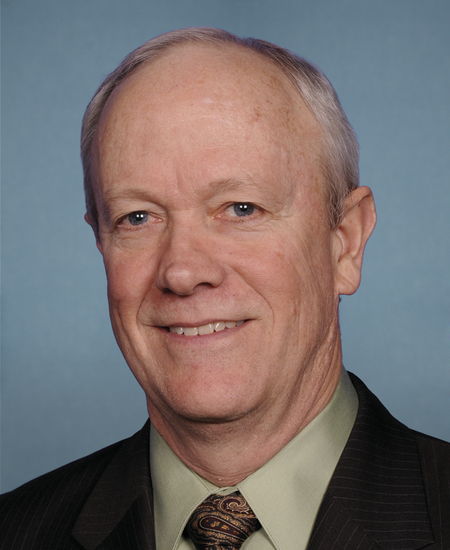
Rep. Jerry McNerney
Sponsored bills
Medicare Dental, Vision, and Hearing Benefit Act of 2021 This bill provides for Medicare coverage of dental, vision, and hearing care. Coverage includes (1) routine dental cleanings and exams, basic and major dental services, emergency dental care, and dentures; (2) routine eye exams, eyeglasses, and contact lenses; and (3) routine hearing exams, hearing aids, and exams for hearing aids. With respect to such care, the bill establishes special payment rules, limitations, and coinsurance requirements.
Pet Safety and Protection Act of 2021 This bill revises requirements concerning the sources of dogs and cats used by research facilities. Specifically, the bill revises the list of permissible sources of dogs and cats used by research facilities to include dogs and cats obtained (1) from a licensed dealer, (2) from a publicly owned and operated pound or shelter that meets specified requirements, (3) by donation from a person who bred and raised the dog or cat or owned it for not less than one year, or (4) from a research facility licensed by the Department of Agriculture. The requirements pertaining to sources apply to dogs and cats obtained through sales, donations, or offers. Monetary penalties are established for violations.
Large-Scale Water Recycling Project Investment Act This bill requires the Department of the Interior to award grants to water or power delivery authorities for the planning, design, and construction of large-scale water recycling and reuse projects in drought-stricken regions of certain western states. Additionally, the Government Accountability Office must report on the selection process for each project.
Tax-Free Pell Grant Act This bill excludes from gross income, for income tax purposes, any amount received as a federal Pell Grant. It also expands the definition of qualified tuition and related expenses under the American Opportunity and Lifetime Learning tax credit to include computer or peripheral equipment (up to a maximum of $1,000), child and dependent care expenses, and course materials.
Better Care Better Jobs Act This bill establishes programs and provides funds for state Medicaid programs to improve home- and community-based services (HCBS), such as home health care, personal care, case management, and rehabilitative services. Specifically, the bill provides funds for the Centers for Medicare & Medicaid Services to award planning grants, develop quality measures, and provide technical assistance to states regarding specified HCBS improvements, particularly with respect to access, utilization, and the associated workforce. The bill also increases the Federal Medical Assistance Percentage (i.e., federal matching rate) for HCBS in states that develop plans and meet specified benchmarks for improvements. The bill also makes permanent (1) the Money Follows the Person Rebalancing Demonstration Program (a grant program to help states increase the use of HCBS for long-term care and decrease the use of institutional care), and (2) certain provisions regarding Medicaid eligibility that protect against spousal impoverishment for recipients of HCBS.
Therapeutic Fraud Prevention Act of 20 21 This bill prohibits commercial conversion therapy, which is a practice or treatment designed to change a person's sexual orientation or gender identity or otherwise change behaviors, thoughts, or expressions related to gender or sexual attraction. This prohibition does not apply to treatment that assists an individual undergoing a gender transition or facilitates identity exploration and development.
This bill provides for the award of a Congressional Gold Medal to Billie Jean King in recognition of her courageous and groundbreaking leadership advancing equal rights for women and the LGBTQ community in athletics, education, and our society.
Consumer Safety Technology Act This bill requires various agencies to explore the use of emerging technologies in the context of consumer products and safety. First, the Consumer Product Safety Commission must consult with relevant stakeholders, such as data scientists and product manufacturers, and use artificial intelligence in a pilot program for a least one of the following processes: (1) tracking trends in injuries involving consumer products, (2) identifying consumer product hazards, (3) monitoring the sale of recalled consumer products, or (4) identifying consumer products that do not meet specified importation requirements related to product safety. Additionally, the Department of Commerce must consult with the Federal Trade Commission (FTC) and other relevant agencies to study potential applications of blockchain technology (i.e., the technology that supports digital currencies such as Bitcoin), including the use of such technology to address fraud and other unfair or deceptive practices. Finally, the FTC must report on its efforts to address unfair or deceptive trade practices related to digital tokens (i.e., transferable units of a digital currency).
Stop Tip-overs of Unstable, Risky Dressers on Youth Act or the STURDY Act This bill requires the Consumer Product Safety Commission to revise the safety standards for freestanding clothing storage units such as a dressers, bureaus, or chests of drawers. Such standards must include specified testing related to tip overs and new warning requirements for all such products entering the U.S. market.