

Maddy summaryHR 2693, the Pay Our Coast Guard Parity Act of 2023, ensures Coast Guard members, civilian staff, and qualifying contractors receive pay and benefits during specific funding gaps. It requires Congress to appropriate funds for Coast Guard personnel pay, allowances, and key benefits (like death gratuities and housing allowances) if a Coast Guard-specific funding lapse occurs - when Coast Guard funding isn’t approved before a fiscal year starts but Department of Defense funding is. The bill mandates these payments continue until a full appropriation is enacted or for up to two weeks after the lapse begins, with costs charged to future appropriations. This addresses a gap in funding continuity for Coast Guard personnel during government shutdowns affecting only the Coast Guard.
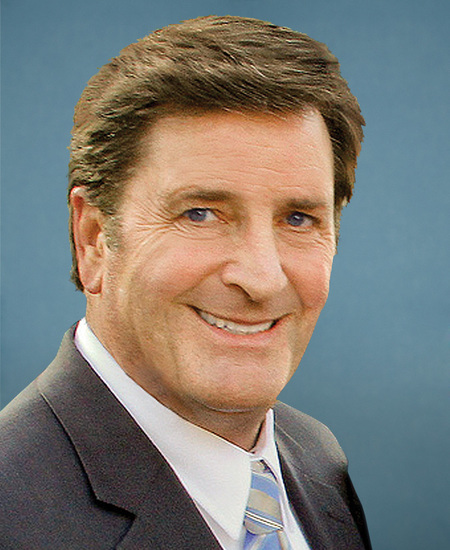
Rep. John Garamendi
Sponsored bills
Maddy summaryThe Puppy Protection Act of 2023 sets new standards for businesses that sell dogs (dealers), directly affecting pet stores and breeders operating under the Animal Welfare Act. It requires specific housing with space allowances based on dog size (e.g., 12-30 square feet per dog), temperature control (45-85°F), clean food twice daily, and daily exercise or socialization with humans/dogs for at least 30 minutes. The bill also mandates annual veterinary exams including dental care, strict breeding limits (e.g., age restrictions, maximum 2 litters in 18 months), and efforts to place retired breeding dogs in homes instead of selling them to other breeders. Regulations must be finalized within 18 months of enactment.
Maddy summaryHR 2665 delays Medicaid payment reductions for safety net hospitals by two years, changing the effective date from 2024 to 2026 under Section 1923(f)(7)(A) of the Social Security Act. This bill directly affects hospitals that serve high numbers of low-income and uninsured patients, providing them with additional time before facing reduced federal Medicaid payments. The key mechanism is a technical amendment to existing law, postponing an already scheduled payment adjustment without altering funding levels or eligibility. As a procedural bill, it does not create new programs or change hospital requirements.
Maddy summaryHR 2680, the Holocaust Insurance Accountability Act of 2023, creates a federal legal pathway for victims or their heirs to recover proceeds from Holocaust-era insurance policies issued between 1933 and 1945 in Nazi-occupied areas or by Swiss insurers. It directly affects beneficiaries (including heirs and legal representatives) who hold claims under these policies, allowing them to sue insurers in federal court to recover funds. The bill overrides a 2003 Supreme Court ruling (Garamendi) that previously blocked state laws on this issue, establishes a 10-year deadline for claims, and bars defenses based on prior settlements assuming preemption. It also mandates 3x damages for insurers acting in bad faith and ensures state disclosure laws remain enforceable.
Maddy summaryHR 2630, the Safe Step Act, requires group health plans and health insurance issuers to establish a clear, transparent process for patients or their doctors to request exceptions to medication step therapy protocols. These protocols typically force patients to try cheaper drugs first before covering more expensive alternatives. The bill mandates that plans must approve exceptions when prior treatments failed, delay would cause serious harm, a treatment is unsafe, or a patient is stable on a previously approved drug, with strict 72-hour (or 24-hour in emergencies) decision timelines. It also requires plans to publish the exception process online and limit documentation requests to only necessary medical information. This law directly affects health insurers, employers offering health plans, and patients using step therapy for prescription drugs.
Maddy summaryHRES 275 is a non-binding House resolution supporting the designation of Vaisakhi (April 14 each year) as "National Sikh Day" to honor the Sikh community's contributions to U.S. diversity and history. It recognizes the Sikh community's role in fostering social justice, charitable work, and inclusive values since their immigration over 100 years ago. The resolution does not create a legal holiday but formally acknowledges Vaisakhi's significance as the founding day of the Khalsa in 1699 and the community's ongoing enrichment of American society. It directly affects the Sikh community by providing symbolic national recognition of their cultural and religious heritage.
Maddy summaryThis bill (HR 2554) formally designates specific roads near three California military installations as "defense access roads" under federal law. It requires the Secretary of Defense to certify that roads like Chuck Yeager Road (Beale AFB), Air Base Parkway (Travis AFB), and Lassen County Route A25 (Sierra Army Depot) are important for national defense. These roads will be officially recognized under the Defense Access Roads project in Title 10, U.S. Code. The bill has no funding or regulatory impact - it is purely procedural, updating the list of roads eligible for defense access improvements.
This resolution expresses the House of Representative's resolve to take effective action on climate change to protect the mental health and well-being of current and future youth. It also supports the expansion of funding for climate education, resilience, and climate adaptation projects that benefit their mental health and well-being.
Resident Physician Shortage Reduction Act of 2023 This bill increases the number of residency positions eligible for graduate medical education payments under Medicare for qualifying hospitals, including hospitals in rural areas and health professional shortage areas. Current law provides for an increase of up to 200 positions per fiscal year beginning in FY2023, with a total increase of 1,000 positions; each hospital may receive up to 25 additional positions. Current law also provides for an additional increase of up to 200 positions for FY2026, with at least 100 of these positions for psychiatry or related specialties; each hospital may receive up to 10 additional positions. The bill provides for an additional increase of 2,000 positions per fiscal year from FY2025-FY2031; during this period, each hospital may receive up to 75 additional positions in total under the bill and current law. Additionally, one-third of the positions that are made available under the bill must be allocated to hospitals that are already operating above applicable resident limits. The bill also requires the Government Accountability Office to report on strategies to increase the diversity of the health professional workforce, including with respect to representation from rural, low-income, and minority communities.
Maddy summaryHR 1839, the Combating Illicit Xylazine Act, makes the illicit use and distribution of xylazine a federal crime by adding it to the Controlled Substances Act. The bill broadly defines xylazine to cover numerous chemical variants and prohibits human use or non-licit distribution, while preserving legitimate veterinary and pharmaceutical uses. It requires tracking xylazine in drug supply chains and mandates two reports to Congress within 1 and 4 years on its prevalence, sources, and whether it should be rescheduled. The bill directly affects individuals distributing or using xylazine illicitly, including as an additive to drugs like fentanyl, and aims to address its public health risks. Congress declared illicit xylazine an "emerging drug threat" under existing law.