

Maddy summaryHR 6381, the Veterans Visa and Protection Act of 2023, helps noncitizen veterans and service members who face deportation by creating a pathway to legal permanent residency in the U.S. It requires the government to reopen removal cases for eligible veterans, adjust their status to lawful permanent residents if they served honorably without certain serious criminal convictions (like crimes of violence), and prohibit deportation except for such crimes. The bill also ensures these individuals can access military and veterans benefits they lost due to removal proceedings and allows them to apply for naturalization through military service. It mandates that immigration officials identify service members/veterans early in proceedings and track their cases to prevent unjust removal.
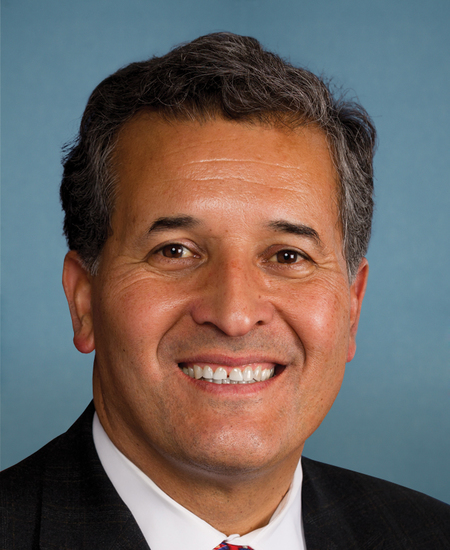
Rep. Juan Vargas
Sponsored bills
Maddy summaryThis bill (HR 6553) waives all costs for U.S. government-led evacuations of American citizens from Israel, Gaza, the West Bank, and nearby countries (like Cyprus) between October 7 and November 17, 2023. It directly affects U.S. citizens endangered by the Hamas-led attacks on October 7 and subsequent conflict. The key mechanism amends existing law to require the State Department to cover all expenses related to these evacuations through government-coordinated transport, eliminating repayment obligations for affected citizens. This policy change applies specifically to evacuations during that defined period following the October 7 attacks.
Maddy summaryHRES 793 is a resolution passed by the U.S. House of Representatives calling on Hamas to immediately release all 199 hostages taken during Hamas' October 7, 2023 attack on Israel. The resolution condemns Hamas for the attack, the taking of hostages, and threats against hostages, while stating that holding hostages violates international humanitarian law under the Geneva Conventions. It demands the immediate release of all hostages and expresses sympathy for victims and their families. As a symbolic resolution, it does not create legal obligations but formally expresses the House's position.
Maddy summaryHRES 114 is a resolution proposing to expel Representative George Santos from the U.S. House of Representatives, citing constitutional authority under Article I, Section 5, Clause 2. It directly targets Santos, who was a sitting member of the House at the time of introduction. The resolution follows the House's constitutional power to expel members for misconduct, though it does not specify the alleged violations. This procedural resolution was referred to the Committee on Ethics for review.
Maddy summaryThis bill creates a pathway to conditional permanent residency for certain undocumented immigrants working in critical sectors. It directly affects individuals present in the U.S. without lawful status as of January 1, 2023 - including DACA recipients - who have worked at least 100 days in one of the designated "covered professions" (like healthcare, education, agriculture, food service, construction, or essential infrastructure work). To qualify, applicants must maintain continuous U.S. presence, work 100 days annually for two years, and meet specific criminal inadmissibility standards. If eligible, their conditional status automatically converts to full permanent residency after two years, without being subject to annual visa quotas.
Maddy summaryHR 6451, the Mental Health Justice Act of 2023, provides $250 million in federal grants to states, tribes, and localities to hire mental health professionals as first responders for specific emergencies. It directs these professionals to replace police in situations involving mental health crises, substance use, or intellectual/developmental disabilities - such as when a 911 caller describes a mental health emergency or a first responder identifies someone needing mental health support. The bill requires grantees to train responders in de-escalation techniques, link individuals to community-based services (not incarceration), and report on outcomes like reduced arrests or use of force. It also mandates data collection on demographics and prevents funneling people into institutional settings, with annual reports to Congress on program effectiveness.
Maddy summaryHR 3601, the Student Veteran Work Study Modernization Act, expands eligibility for a Veterans Affairs work-study allowance to veterans enrolled at least half-time in rehabilitation, education, or training programs - lowering the previous requirement from three-quarter-time. The bill establishes a five-year pilot program to test this change, requiring the VA to apply the same allowance rules to these veterans as to other participants, except for the enrollment threshold. It also mandates annual reports to Congress tracking participation numbers, four-year degree completion rates, and full-time VA employment outcomes for participants. The policy directly affects veterans seeking education benefits while balancing academic and personal responsibilities.
Maddy summaryHR 6121, the Filipino Veterans Fairness Act of 2023, expands U.S. veterans benefits for individuals who served in the Philippine Army, Philippine Scouts, or recognized guerrilla forces during World War II. It directly affects Filipino veterans who previously faced challenges proving service due to limited documentation. The bill allows the Secretary of Veterans Affairs to consider alternative records beyond the National Personnel Records Center rosters when determining eligibility, requires annual reports to Congress on applications and approvals, and clarifies that the Filipino Veterans Equity Compensation Fund does not apply to these veterans. These changes aim to streamline access to benefits for this specific group of veterans.
Maddy summaryHR 6282, the Humane Accountability Act, requires the Department of Homeland Security (DHS) and Department of Health and Human Services (HHS) to jointly submit a report to Congress within one year of the bill's enactment. The report must detail specific incidents in immigration detention, including assaults requiring medical care, sexual assaults with investigation findings, detainee deaths, and complaints about abuse, neglect, or lack of legal access. Following this report, the Government Accountability Office (GAO) must then provide Congress with recommendations to address these issues within 90 days. The bill focuses on increasing transparency and accountability in immigration detention facilities, directly affecting CBP, ICE, and ORR custody operations.
Maddy summaryHR 6281, the Stop COYOTES Act, increases penalties for certain crimes involving minors committed near schools, youth facilities, or parks. It adds up to 10 years of consecutive imprisonment for offenders who commit specified federal crimes (like trafficking or assault) within 1,000 feet of schools or 100 feet of youth centers, in addition to their original sentence. The bill also requires the Department of Homeland Security to share border-related data - including human trafficking, smuggling, and gang activity - with state and local law enforcement near the U.S. border, and to submit biannual reports to Congress on this information. These provisions directly affect individuals convicted of crimes near child-occupied areas and border enforcement agencies.