

This resolution condemns racism, xenophobia, discrimination, scapegoating, and ethnic and religious bigotry. It acknowledges the climate of hate that Arab, Muslim, Middle Eastern, South Asian, and Sikh communities have experienced since September 11, 2001, and suggests specified relief to support those affected. Specifically, the resolution calls for the creation of an interagency task force to work with community-based organizations to review government policies that targeted such communities, investigate and document their impact, and dismantle those policies that continue to profile and target such communities; calls for hearings to explore the findings and recommendations of the task force; supports allocating resources to community-based organizations outside and independent of law enforcement that center the experiences and demands of Arab, Muslim, Middle Eastern, South Asian, and Sikh communities to support the needs of victims of hate and state violence and to create alternatives to law enforcement and transformative justice programs that focus on vulnerable populations within these communities; and calls on the Department of Health and Human Services, the National Institutes of Health, and the National Science Foundation to work together to study the impact of hate, government targeting, and profiling on physical and mental health.
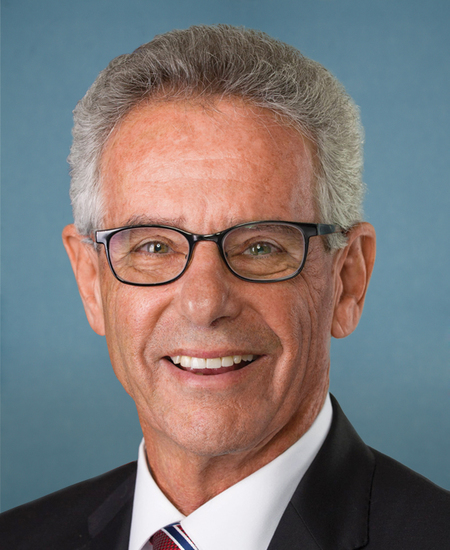
Rep. Alan S. Lowenthal
Sponsored bills
This resolution expresses the sense of the House of Representatives that the United States shall recognize kind actions in our country, encourage kindness, spread love, and foster a culture of being kind to one another.
Medicare Negotiation and Competitive Licensing Act of 2021 This bill establishes several requirements relating to the prices of prescription drugs. Specifically, the bill requires the Centers for Medicare & Medicaid Services (CMS) to negotiate with pharmaceutical companies regarding prices for drugs covered under Medicare. (Current law prohibits the CMS from doing so.) If the CMS is unable to negotiate the price of a drug, such drug is subject to competitive licensing in order to further its sale under health insurance programs, notwithstanding existing government-granted exclusivities. The negotiated prices also apply to other federal health care programs, private health insurance, and the uninsured; pharmacies that charge more than the negotiated price for uninsured individuals are subject to civil penalties. Manufacturers must also comply with specified reporting requirements relating to prices and licensing, subject to civil penalties. The bill also institutes an excise tax on drugs for which the price spikes beyond a certain limit, subject to specified exemptions, as well as on drugs for which the price exceeds the negotiated price.
Improving Medicare Coverage Act This bill temporarily expands eligibility for Medicare. It also temporarily establishes a premium and cost-sharing assistance program for low-income beneficiaries. Specifically, the bill lowers the age of eligibility for Medicare from 65 to 60. The Centers for Medicare & Medicaid Services must establish procedures to provide for automatic enrollment of qualifying individuals. Enrollment must be completed within 11 months of the bill's enactment. The bill also establishes a program under Medicare to assist low-income Medicare beneficiaries with premiums, coinsurance, deductibles, and other costs. Currently, such assistance is provided through Medicare Savings Programs, which are administered by state Medicaid programs. The bill also establishes a related special enrollment period under Medicare, expands eligibility for assistance to beneficiaries with income up to 200% of the federal poverty line, and provides for joint eligibility determinations with respect to the bill's program and the low-income subsidy program under the Medicare prescription drug benefit. The bill's provisions generally take effect six months after the bill's enactment and terminate five years later.
Prohibition of Medicaid Funding for Conversion Therapy Act This bill prohibits state Medicaid programs from covering conversion therapy. The bill defines conversion therapy as any practice or treatment that seeks to change a person's sexual orientation or gender identity in exchange for monetary compensation.
Harlem Hellfighters Congressional Gold Medal Act This bill provides for the award of a Congressional Gold Medal to the 369th Infantry Regiment, commonly known as the Harlem Hellfighters, in recognition of their bravery and outstanding service during World War I.
This resolution expresses the sense of the House of Representatives that policies concerning medication abortions should be grounded in science, be based on a review of medical evidence, and ensure equitable access for patients.
This resolution supports (1) the goals of Wildfire Preparedness Week, and (2) resources and educational initiatives that communicate how affected communities can prevent wildfires and react during a wildfire.
Migratory Bird Protection Act of 2021 This bill prohibits the incidental taking (e.g., capturing or killing) of migratory birds by commercial activities unless the activity is authorized under a permit or is identified as posing de minimis risk to migratory birds. The U.S. Fish and Wildlife Service (USFWS) must regulate such incidental taking, including by (1) issuing general permits for certain industries, (2) creating a mitigation fee for any incidental taking of migratory birds, and (3) identifying categories of de minimis risk activities that are exempt from liability for the taking of migratory birds. In addition, the USFWS must establish and maintain a research program (1) to evaluate the impacts of commercial activities on birds, (2) to evaluate the effectiveness of best management practices and technologies to avoid or minimize such impacts, and (3) to develop new or improved best management practices and technologies.
This resolution urges the United States to protect the human rights of unhoused individuals, to establish regulations and enforcement tools to protect unhoused individuals from violations of civil and human rights, and to establish blanket legal protections for third parties providing goods or services to unhoused individuals. The resolution also urges the United States to establish a process to award appropriate damages, attorney's fees, and costs to a prevailing plaintiff in an action alleging a violation of the human and civil rights of unhoused individuals. Relatedly, the resolution urges the United States to allow the court in such an action to consider housing status and apply leniency in compiling records, receipts, and documentation from those plaintiffs. The resolution also expresses the intention of the House of Representatives to address the unhoused crisis in the United States by providing funding and imposing requirements on the Department of Housing and Urban Development and the Department of Health and Human Services.