

Maddy summaryThis bill removes a barrier for college students seeking food assistance by amending the SNAP program rules. It directly affects students enrolled at least half-time in recognized colleges or training programs, who were previously automatically ineligible unless they met separate requirements. The key change eliminates the prior restriction (in section 6(e)) that barred most higher education students from SNAP, allowing them to qualify under the new provision in section 3(m)(5)(F). The changes take effect January 2, 2024.
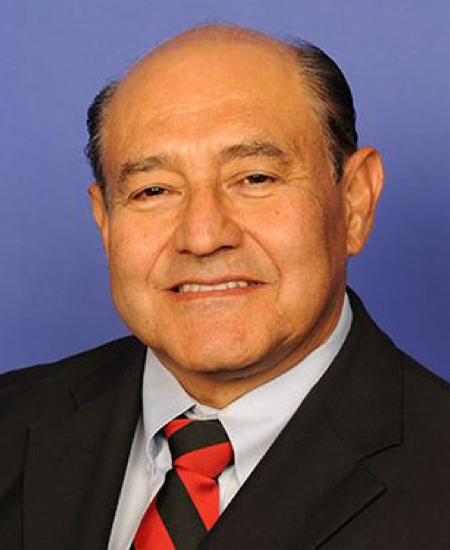
Rep. J. Luis Correa
Sponsored bills
Maddy summaryThe Closing the Meal Gap Act of 2023 amends the Food and Nutrition Act to update how SNAP (Supplemental Nutrition Assistance Program) benefits are calculated. It replaces the "thrifty food plan" with a "low-cost food plan" based on a specific 4-person family diet, requiring the government to reevaluate this plan by 2029 and every 5 years after. The bill also updates medical expense deductions, eliminates time limits on benefits, and allows Puerto Rico to join SNAP with specific transition requirements. These changes directly affect SNAP recipients, particularly in Puerto Rico, Hawaii, and Alaska, by adjusting benefit calculations to better reflect current food costs.
Maddy summaryHRES 434 is a non-binding resolution declaring a mental health crisis among U.S. youth, citing statistics like 49.5% of adolescents experiencing mental health disorders and a 30% rise in emergency visits for youth during the pandemic. It urges states and schools to improve educator training, expand on-campus mental health resources, remove harmful practices (such as risk assessment teams disproportionately affecting students of color), and address barriers for undocumented and low-income students. The resolution also emphasizes combating stigma, integrating mental and physical health care, and reaching high-risk communities with better resources. As a declaration - not a law - it expresses congressional support for historic federal investments in youth mental health care but does not create new policy.
Maddy summaryHR 3713 creates federal grants to fund comprehensive school-based mental health programs for students in grades K-12, including those in Bureau of Indian Education schools. It requires partnerships between schools and community mental health providers to deliver trauma-informed, culturally appropriate services addressing suicide risk, grief, violence, and trauma exposure. The bill authorizes $300 million annually (2024-2027) for these programs, mandating privacy protections under HIPAA and FERPA, and requires annual reporting on program effectiveness.
Maddy summaryThe Cady Housh and Gemesha Thomas Student Suicide Prevention Act of 2023 requires states to establish a policy mandating annual suicide prevention training for school staff and high school students (grades 9-12). The training must be evidence-based, cover recognizing suicide warning signs, appropriate responses, and referrals to mental health services, while including cultural competency. It allocates $48 million in federal funds, with at least 15% dedicated to supporting this training program, and requires states to collaborate with mental health experts. The bill directly affects school staff and high school students in states that adopt the policy and receive federal funding.
This resolution condemns all manifestations of expressions of racism and anti-Asian, Native Hawaiian, and Pacific Islander or ethnic intolerance. The resolution calls on federal law enforcement officials, working with state and local officials, to expeditiously and vigorously investigate all reports of hate crimes and threats against Asian Americans, Native Hawaiians, and Pacific Islanders in the United States; work to improve the reporting of such hate crimes; and hold the perpetrators of those crimes, incidents, or threats accountable and bring the perpetrators to justice.
Maddy summaryHR 3684, the Douglas Mike Day Psychedelic Therapy to Save Lives Act of 2023, authorizes the Department of Defense to fund research on using psychedelic substances for treating specific conditions in active-duty military personnel. The bill creates a grant program to support phase II clinical trials (using substances like MDMA, psilocybin, or ibogaine) or training for treating PTSD, traumatic brain injury, or chronic traumatic encephalopathy, with participants including active-duty service members. It removes barriers for military personnel to join these trials, regardless of federal scheduling of the substances or military justice rules. The bill appropriates $15 million annually from 2024 to 2028 for this research and requires regular reports to Congress on grant recipients and trial findings.
Maddy summaryHRES 439 is a non-binding resolution expressing the House of Representatives' support for keeping the U.S. Postal Service (USPS) as an independent federal agency, not subject to privatization. It highlights USPS's constitutional role, self-sustaining nature (relying on service revenue, not taxpayer funds), and its importance to rural communities, e-commerce, and over 600,000 employees. The resolution urges Congress to take action to preserve USPS's independence, emphasizing that privatization could raise prices, reduce services, and harm the nation's mail infrastructure. As a procedural resolution, it does not change law but formally states the House's position.
This resolution supports (1) the goals of Wildfire Preparedness Week; and (2) resources and educational initiatives that communicate how affected communities can take preventative measures such as instituting early warning systems and reducing unplanned human ignitions, as well as how to safely and efficiently evacuate people and their animals.
Maddy summaryThis bill renames a U.S. Postal Service facility at 300 Long Beach Boulevard in Long Beach, California, as the "Alan S. Lowenthal Post Office Building." It directly affects the postal facility and all federal documents, maps, or records referencing it. The key provision updates every official reference to the building to use the new name, ensuring consistency in government records. The bill does not change postal services, funding, or policy - only the building's official designation.