

Maddy summaryHR 5881, the Rim of the Valley Corridor Preservation Act, expands the Santa Monica Mountains National Recreation Area by adding the "Rim of the Valley Unit" to its boundary, as shown on specific maps dated 2001 and 2023. This directly affects the lands within the new boundary, which contain nationally significant natural resources like diverse ecosystems and cultural sites spanning over 10,000 years of Native American history. The bill modifies the park's legal boundary to include these lands, requiring future minor adjustments to be published in the Federal Register after notifying congressional committees. Existing water and utility facilities within the added area may continue operating but must minimize environmental impact. The expansion aims to better serve urban communities, particularly those historically underrepresented in national parks.
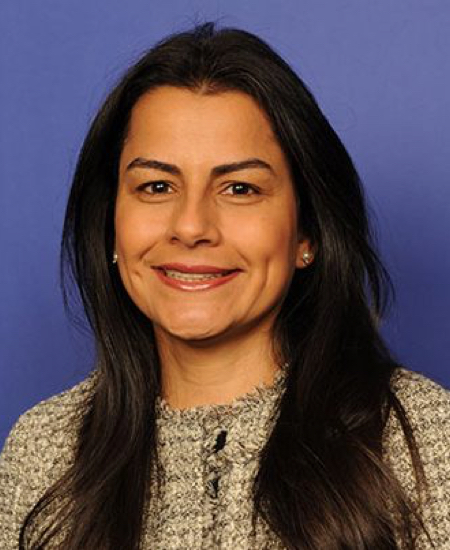
Rep. Nanette Diaz Barragán
Sponsored bills
Maddy summaryHRES 754 is a symbolic House resolution recognizing the heritage, culture, and contributions of Latinas in the United States. It highlights Latinas' roles in business (owning over 2 million businesses), military service (45,710 active duty), arts (Oscar-winning artists like Rita Moreno), and public service, while noting persistent challenges like the 57-cent pay gap. The resolution does not create new laws or policies but formally honors these contributions and acknowledges the need for further progress toward equality. It was introduced by multiple representatives and referred to the Committee on Oversight and Accountability.
Maddy summaryThis resolution commemorates October 2023 as Filipino American History Month, honoring the contributions and cultural heritage of Filipino Americans to the United States. It directly recognizes the Filipino American community - now the third-largest Asian American and Pacific Islander group - with a population of approximately 4.5 million - and highlights their historical roles, including WWII service and community leadership. The resolution has no legal effect or funding provisions; it is purely ceremonial, urging the public to observe the month through educational programs and activities. It follows prior congressional recognitions of Filipino American History Month since 2009.
Maddy summaryHRES 750 is a symbolic resolution recognizing the "Operation Green Light for Veterans" campaign, which encourages counties to illuminate buildings green (Nov 6-12) to show community support for veterans. It promotes awareness of existing county resources - such as mental health services, job training, housing assistance, and benefits guidance - that help veterans transition to civilian life. The resolution urges all counties to participate in the lighting event and use community outreach to highlight these resources, while commending the National Association of Counties for leading the initiative. It does not create new laws or funding but focuses on raising visibility for existing support systems. (HRES 750, introduced Sept. 29, 2023)
Maddy summaryHRES 734 is a House resolution supporting the designation of October 1 as "National Latino and Latina Physician Day." It highlights that Latino and Latina physicians represent only 6% of U.S. doctors and aims to raise awareness about the need for greater diversity in medicine. The resolution emphasizes that increasing representation benefits Latino and Latina communities by improving health outcomes and addressing barriers like language and cultural gaps in care. It does not create new laws but formally expresses congressional support for this symbolic observance.
Maddy summaryThe NEWBORN Act creates a federal grant program to reduce infant mortality in the 50 U.S. counties with the highest rates, using $10 million annually from 2023-2027. It funds local health departments (including tribal, county, or state agencies) to design pilot programs addressing causes like preterm birth, maternal complications, and infant injuries through community assessments, outreach to at-risk mothers, and coordinated services such as postpartum care and smoking cessation. Grantees must report annually on program outcomes and methods, with no more than 10% of funds used for evaluation. The bill directly affects communities in high-mortality areas by supporting targeted, evidence-based interventions.
Maddy summaryThis bill directs the CDC to launch public education campaigns about blood clot risks, symptoms, and prevention, with special focus on high-risk groups including Black Americans, cancer patients, seniors, and hospitalized individuals. It creates a new 18-month advisory committee to study DVT/PE data collection, develop prevention guidelines, and recommend improved care standards for at-risk patients. The bill also mandates a federal study on electronic health record systems for better DVT/PE surveillance and authorizes $20 million annually for these efforts through fiscal year 2029. These provisions aim to reduce preventable deaths and improve early diagnosis, directly affecting millions at risk of blood clots nationwide.
Maddy summaryThis bill replaces "Columbus Day" with "Indigenous Peoples’ Day" as the official federal holiday observed on the second Monday in October. It directly affects federal government operations and all federal documents, rules, or laws that previously referenced "Columbus Day" by automatically updating those references to "Indigenous Peoples’ Day" upon enactment. The key mechanism is a simple amendment to federal law (5 U.S.C. § 6103(a)) to change the holiday name and a provision ensuring all existing federal references to Columbus Day are legally treated as referring to Indigenous Peoples’ Day instead. This is a procedural change to federal holidays and references, not a new policy or program.
Maddy summaryHR 5784 would provide federal grants to public schools (including Bureau of Indian Education schools) to make them more environmentally sustainable and equitable. It prioritizes schools in the most vulnerable communities (based on CDC Social Vulnerability Index) for full funding to become "healthy zero-carbon schools" through energy-efficient retrofits and new construction, while offering reduced funding for less vulnerable schools. The grants require community engagement in planning, mandate hiring from local communities with specific diversity goals, fund social services and mental health support, and include strict energy efficiency standards for all projects. The bill also includes funding for educational equity planning and climate resiliency programs to help schools serve as community centers during disasters.
Maddy summaryThe WIC for Kids Act expands eligibility for the Special Supplemental Nutrition Program for Women, Infants, and Children (WIC) by adding new qualifying pathways. It allows children to qualify if they live in households where someone receives Head Start, Indian reservation food assistance, or Puerto Rico/Northern Mariana Islands nutrition block grants, and streamlines documentation by permitting states to use existing records. The bill extends certification periods for children from one to two years and automatically enrolls infants born to current WIC participants. This directly affects low-income families with children who qualify for related assistance programs but previously faced barriers to WIC access.