

Pharmaceutical Research Transparency Act of 2022 This bill requires the disclosure of costs associated with clinical trials and pharmaceutical research and development. Specifically, the National Institutes of Health must create a publicly available repository of cost data from certain clinical trials that test the efficacy of drugs, biological products, and devices in human subjects. For each applicable trial, the registry must, among other information, include the total and per patient cost of the trial, as well as costs for personnel, health care services, and other categories of expenditures. Information must be added to the registry within one year of the trial's completion. The bill also requires drug manufacturers to include their research and development expenditures for drugs and biological products in annual disclosures made to the Securities and Exchange Commission.
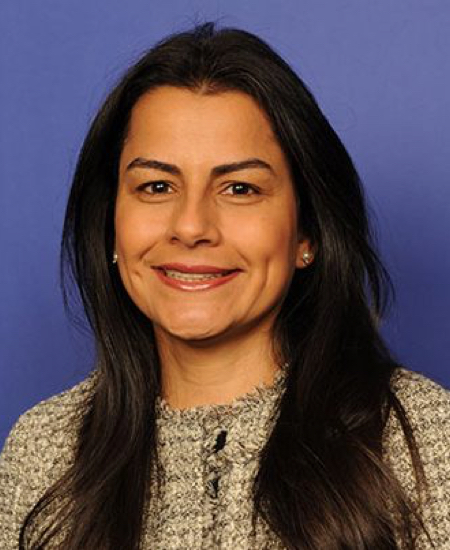
Rep. Nanette Diaz Barragán
Sponsored bills
Targeting Resources for Equitable Access to Treatment for Long COVID Act or the TREAT Long COVID Act This bill requires the Department of Health and Human Services to award competitive grants to create or expand the capacity of clinics that treat patients with persistent, long-term symptoms following recovery from acute COVID-19 (i.e., Long COVID). Eligible recipients include federally qualified health centers, rural health clinics, urban Indian health centers, and state and local health departments.
Energy Security and Independence Act of 2022 This bill addresses domestic industrial base and manufacturing capabilities for specified energy-efficiency and renewable energy systems and technologies (e.g., electric transportation systems), including by establishing a program to provide financial assistance for the construction of new facilities that manufacture components of specified energy-efficiency and renewable energy systems and technologies (or to retool, retrofit, or expand such facilities).
Hispanic Educational Resources and Empowerment Act of 2022 This bill directs the Department of Education to (1) award grants to Hispanic-serving institutions of higher education (IHEs) to improve and expand innovative collaboration agreements between local educational agencies and IHEs to better serve Hispanic and Latino students, (2) provide technical assistance to such IHEs, and (3) contract with a third party to conduct an independent evaluation of grant activities. Such grants must be used for specific activities, such as improving school-based and institutional practices to prepare students for postsecondary education and addressing nonacademic needs of students that are barriers to college enrollment.
Protection from Abusive Passengers Act This bill addresses the banning of abusive passengers from commercial aircraft flights. Abusive passenger is defined as any individual who engages in behavior that results in a civil penalty or conviction for assaulting, threatening, or intimidating a crew member or passenger on an aircraft flight, or who takes any action to interfere with security screening personnel or any security system related to civil aviation security. It requires the Federal Aviation Administration or the Attorney General to provide the identity, including the full name and date of birth, and gender of all abusive passengers to the Transportation Security Administration (TSA). The TSA must maintain a list of abusive passengers and develop and make publicly available policies and procedures for handling individuals included on the list. Any individual on the list shall be prohibited from boarding any commercial aircraft flight until the individual is removed from such list. Additionally, all abusive passengers shall be permanently ineligible to participate in the TSA PreCheck or the U.S. Customs and Border Protection's Global Entry programs, with specified exceptions.
This bill prohibits behavioral health providers from receiving Centers for Medicare & Medicaid Services Innovation Center incentive payments for testing certified electronic health record technology unless the provider has acquired health information systems that meet specified information technology standards and rules for interoperability and patient access.
This resolution expresses support for legislation to provide child care assistance to all working families that need it; make childcare affordable and available to meet various job schedules; guarantee that all families eligible for childcare will receive it; improve the quality of childcare; expand access to Head Start and preschool services; and provide sufficient federal, state, and local investment to ensure resources for both high-quality jobs and affordable childcare.
Ensuring Lasting Smiles Act This bill requires private health insurance plans to cover diagnosis and treatment of congenital anomalies and birth defects, such as reconstructive services and items. Coverage must include services and items that functionally improve, repair, or restore any body part that is medically necessary for normal bodily functions or appearance, as determined by the treating physician. Coverage limits and cost-sharing requirements for such services and items may not be more restrictive than those applicable to all medical and surgical benefits under the plan.
This resolution recognizes the accomplishments and example of Cesar Estrada Chavez. The resolution also encourages the people of the United States to commemorate his legacy and to always remember his rallying cry, "Si, se puede!" (which means "Yes, we can!").
Children's Act for Responsible Employment and Farm Safety of 2022 or the CARE Act of 20 22 This bill revises labor provisions for protecting child workers, including those employed in agriculture, and increases the civil penalties for violations of such provisions and imposes new criminal penalties for violations resulting in the death or serious injury or illness of a child worker. Specifically, the bill revises the definition of oppressive child labor to prohibit the employment of children under 14 years of age and imposes new employer reporting requirements for work-related injuries or deaths of agricultural employees under the age of 18. The Department of Labor must analyze, collect, and report on data concerning children under the age of 18 who are employed in agriculture and each work-related injury, illness, or death of any such child. Labor must also revise regulations to prohibit the employment of a child under the age of 18 as a pesticide handler.