

Maddy summaryHR 8891 amends the Federal Water Pollution Control Act to establish a formal San Francisco Bay Restoration Program. It allows federal funding through grants, cooperative agreements, or contracts for projects on an annual priority list, requiring at least 25% non-federal funding for grants (capping federal share at 75%) while permitting full federal coverage for other agreements. The bill directly affects federal, state, local, and nonprofit organizations, including the Estuary Partnership, working on Bay restoration projects. Key provisions define funding mechanisms and cost-sharing requirements to support specific restoration activities and studies.
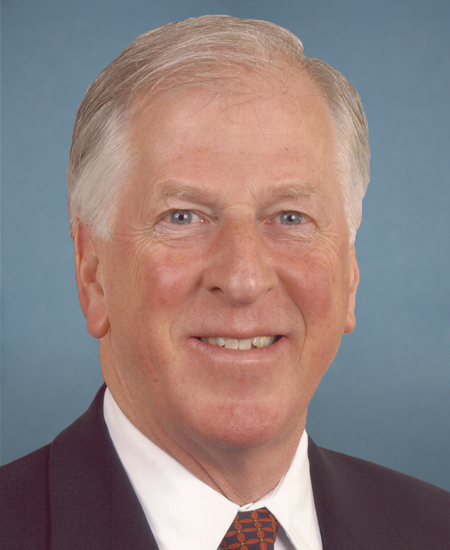
Rep. Mike Thompson
Sponsored bills
Maddy summaryThis bill strengthens the HUD-VASH program, which provides housing vouchers and case management to homeless veterans. It requires the VA to prioritize vulnerable homeless veterans - especially those with disabilities - for case managers and mandates annual reports tracking program effectiveness, staffing ratios, and veteran outcomes. The law also prohibits revoking housing assistance solely because a veteran refuses case management and protects veterans from eviction for this reason. Additionally, it directs a GAO report assessing veterans' housing stability, case manager recruitment, and program demographics.
Maddy summaryThis bill expands Post-9/11 GI Bill benefits to National Guard members who perform specific full-time duty. It amends eligibility rules to include service on "full-time National Guard duty" (as defined in Title 32) and "active duty" (as defined in Title 32), which previously did not count toward full benefits. The change applies retroactively to service since September 11, 2001, and takes effect one year after enactment. This directly affects National Guard members serving in these specific full-time roles, granting them parity with other veterans for educational benefits.
Maddy summaryThis bill creates a federal framework for "extreme risk protection orders" (ERPOs) that temporarily remove firearms from individuals who pose a risk of harming themselves or others. Family members or law enforcement officers can petition a federal court for a temporary order (up to 14 days) based on probable cause, followed by a hearing within 72 hours to determine if a longer-term order (up to 180 days) is warranted. The bill requires clear and convincing evidence of risk at the hearing and mandates respondents to surrender firearms to law enforcement within 48 hours. It also includes provisions for reporting, training law enforcement on ERPOs, and a federal grant program to support state ERPO implementation, without preempting state laws.
Maddy summaryHRES 1310 is a resolution expressing support for designating June 2024 as "National Post-Traumatic Stress Awareness Month" and June 27, 2024, as "National Post-Traumatic Stress Awareness Day." It aims to raise public awareness about post-traumatic stress disorder (PTSD), particularly among military veterans and active-duty service members, and reduce stigma around seeking mental health treatment. The resolution encourages government agencies like the Department of Veterans Affairs and Department of Defense to continue efforts in educating the public and improving access to PTSD care. As a symbolic gesture, it does not create new laws, allocate funding, or directly change policies.
Maddy summaryThis resolution recognizes June 19, 2024, as Juneteenth Independence Day, acknowledging its historical significance as the anniversary of the end of slavery in the U.S. (specifically referencing Union soldiers' announcement in Galveston, Texas, on June 19, 1865). It does not create new policy but formally encourages all Americans to observe the day through ceremonies and educational activities. The resolution emphasizes Juneteenth's role in honoring African American freedom and its importance to U.S. history and cultural heritage. It follows the 2022 law that established Juneteenth as a federal holiday, focusing solely on symbolic recognition and annual observance.
Maddy summaryHR 537 authorizes a Congressional Gold Medal to honor 60 diplomats who saved Jewish lives during the Holocaust by issuing visas and passports against their governments' orders, risking expulsion and personal danger. The medal will be presented to the next of kin of these diplomats, alongside representatives from their home countries, and permanently displayed at the United States Holocaust Memorial Museum. The bill also permits the sale of bronze duplicates to cover production costs, with proceeds going to the U.S. Mint. This legislation recognizes the diplomats' humanitarian actions without creating new government programs or altering existing laws.
Maddy summaryHRES 965 is a non-binding resolution calling for the immediate release of Ryan Corbett, a U.S. citizen wrongfully detained by the Taliban in Afghanistan since August 2022. It directly affects Corbett (held in poor conditions without charges) and other Americans detained by the Taliban. The resolution demands the Taliban release Corbett unconditionally, urges respect for his human rights, commends Qatar’s role as U.S. protecting power, and condemns the Taliban’s practice of detaining U.S. citizens. It does not create new law but formally expresses congressional support for Corbett and other wrongfully detained Americans.
Maddy summaryThis bill delays a Medicare policy that would have restricted coverage to only intravenous drugs for managing phosphate levels in kidney failure patients. It specifically postpones the implementation of the "oral-only" policy under Medicare's ESRD payment system until January 1, 2033, or until an intravenous drug for phosphate control receives FDA approval - whichever comes first. The bill directly affects Medicare beneficiaries with end-stage renal disease (ESRD) who rely on oral medications for phosphate management. It ensures continued Medicare coverage for these oral drugs during the extended timeline, without changing the underlying payment structure.
Maddy summaryHR 1687 names the United States Postal Service facility at 6444 San Fernando Road in Glendale, California, as the "Paul Ignatius Post Office." All official U.S. government references to this location - such as in laws, maps, or documents - will now use the new name. This is a procedural bill with no policy changes beyond the naming designation.