

Maddy summaryHR 765, the African American History Act, authorizes $2 million annually for the National Museum of African American History and Culture to develop educational resources and programs about African American history. The bill directs the museum to create accessible teaching materials, support teacher professional development, and expand digital content for schools and the public, focusing on contributions, civil rights, and historical contexts. It requires annual reports to Congress and expires in 2028. The program directly supports educators, students, and families in learning about African American history through museums, schools, and online platforms.
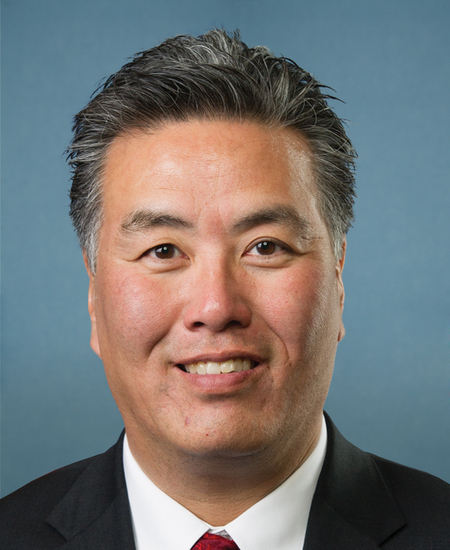
Rep. Mark Takano
Sponsored bills
Maddy summaryHR 715, the Bipartisan Background Checks Act of 2023, requires background checks for all firearm transfers between private individuals, not just those through licensed dealers. It mandates that unlicensed sellers must involve a licensed dealer to conduct a background check before transferring a firearm, with exceptions for family transfers (like spouses or parents/children), law enforcement, temporary safety transfers, and certain hunting or range activities. The bill also requires licensed dealers to provide a notice and certification form in both English and Spanish to buyers. It explicitly states it won't create a national gun registry or override state laws on the same topic. The law would take effect 180 days after enactment.
Maddy summaryThis bill directs the U.S. Postal Service to create a single, unique ZIP Code exclusively for Eastvale, California. It requires the USPS to implement this new ZIP Code within 180 days of the bill's enactment. The change would directly affect Eastvale residents and businesses by standardizing mail delivery to the entire city under one ZIP Code, replacing any previous multi-code system for the area.
Maddy summaryHR 694, the Job Protection Act, expands access to family and medical leave under the FMLA by reducing eligibility requirements. It lowers the required employment period from 12 months to 90 days for most workers and removes the 50-employee threshold, requiring all employers (including small businesses with one or more employees) to provide leave. Federal, presidential, and congressional employees also see their eligibility thresholds reduced to 90 days. The bill directly affects millions of private-sector workers and small businesses nationwide by making existing leave protections more widely available. It makes no changes to leave duration or pay, only to who qualifies and which employers must comply.
Maddy summaryThe FAIR Fees Act requires the Transportation Department to create rules preventing airlines from charging unreasonable fees for flight changes, baggage, seat selection, or other travel services. These rules must ensure fees align with airlines' actual costs, such as processing changes, handling luggage, or filling seats. Specific provisions mandate that families with children under 13 can sit together without extra charges. The rules must be updated every three years to reflect changing costs. This directly affects airlines holding DOT certificates and passengers purchasing tickets.
Maddy summaryHR 660, "Ethan's Law," requires gun owners in homes where minors (under 18) or individuals prohibited from owning firearms under federal/state law reside to store firearms securely. It makes unsecured storage unlawful if a minor or prohibited person could access the firearm, with fines of $500 per violation and enhanced penalties (up to 5 years in prison) if injury or death occurs. The bill also establishes a federal grant program to help states implement similar secure storage laws and provides funding incentives for states that already have such laws in place.
Maddy summaryThis bill extends protections for federal student loan borrowers as pandemic-related payment pauses end. It requires the Department of Education to send at least six notifications to borrowers 60 days before payments resume, explaining repayment options, income-driven plans, and default solutions. Borrowers can self-certify income to switch repayment plans without fees and access economic hardship deferments if they miss payments. The law prioritizes outreach to borrowers who previously struggled with payments before the pandemic, ensuring they get clear information about available support.
Maddy summaryHRES 74 is a non-binding House resolution recognizing Fred Korematsu's lifelong fight for civil liberties, particularly his 1944 legal challenge to the WWII internment of Japanese Americans. It encourages the establishment of a national "Fred Korematsu Day of Civil Liberties and the Constitution" to be observed annually on January 30 (his birthday), promoting reflection on protecting rights during national security crises. The resolution highlights Korematsu's role in exposing government misconduct during the internment and his later warnings against post-9/11 civil liberties violations. It does not create new laws or affect specific groups but urges civic education on constitutional principles. (3 sentences)
Korematsu-Takai Civil Liberties Protection Act of 2023 This bill prohibits the detention or imprisonment of an individual based solely on an actual or perceived protected characteristic of the individual. The term protected characteristic includes each of the following: race, ethnicity, national origin, religion, sex, gender identity, sexual orientation, disability, and any additional characteristic that the Department of Justice determines to be a protected characteristic.
Maddy summaryHR 640 authorizes the posthumous award of a Congressional Gold Medal to Fred Korematsu, a Japanese American civil rights advocate who challenged the World War II internment of Japanese Americans. The bill directs the Treasury Secretary to mint a gold medal bearing Korematsu's image and name, which will be displayed at the Smithsonian Institution. This commemorative measure recognizes Korematsu's lifelong advocacy against racial discrimination and his role in exposing the government's misleading actions during his 1944 Supreme Court case. The medal is a symbolic tribute, not a policy change, and does not affect any individuals or laws.