

Maddy summaryThe Universal School Meals Program Act of 2026 mandates that all public schools provide free breakfast and lunch to every enrolled student, regardless of income. It establishes specific funding rates for these meals, adjusts payments based on the use of locally sourced food, and eliminates the ability of schools to collect debt for unpaid charges. Additionally, the bill expands free meal access to summer programs, afterschool care, and incarcerated juveniles while updating poverty measurement standards across various federal education and nutrition laws.
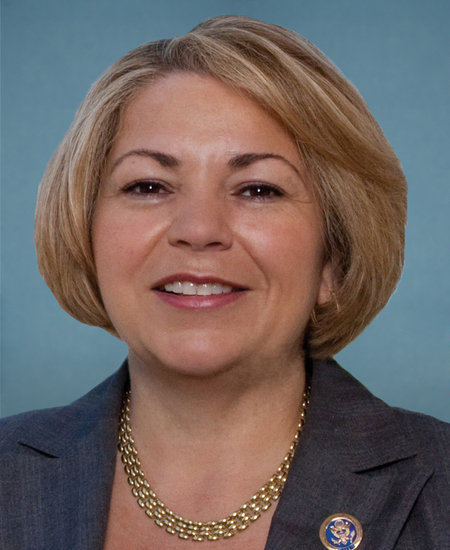
Rep. Linda T. Sánchez
Sponsored bills
Maddy summaryThis resolution formally recognizes the week of May 4 through May 8, 2026, as "Teacher Appreciation Week" to honor the work of public school educators. It highlights the importance of teachers in the education system and notes that a majority of them support various policies, including protections for students and funding for public schools. The document also expresses the view that teachers should have a direct role in education policymaking at federal, state, and local levels. By issuing this designation, the House of Representatives aims to acknowledge the value of teachers and encourage government leaders to engage with them on issues affecting the classroom.
Maddy summaryH.R. 1243 is a House resolution that formally recognizes May as Asian American, Native Hawaiian, and Pacific Islander Heritage Month to celebrate the contributions of these communities to U.S. history. The bill highlights the diverse populations, historical milestones, and significant achievements of Asian Americans, Native Hawaiians, and Pacific Islanders in government, the military, and society. It also acknowledges the ongoing challenges faced by these groups, including a rise in hate crimes and historical discrimination. As a commemorative resolution, the measure does not create new laws or funding but serves to express official congressional appreciation and awareness.
Maddy summaryThis resolution asks the President to provide the House of Representatives with specific documents regarding how personally identifiable information from the Social Security Administration was accessed and used. The request focuses on records concerning the Numerical Identification System, death data, and other private details allegedly copied by an individual working for the Department of Government Efficiency onto personal devices. Additionally, the bill seeks information about any attempts to share this data with a private employer and any statements made about expecting a presidential pardon for such actions. If the President does not comply within 14 days, the matter may be referred to the House Ways and Means Committee for further review.
Maddy summaryThis bill, known as the PFAS Cleanup Act, aims to address the health and economic costs of per- and polyfluoroalkyl substances by introducing two main financial mechanisms. First, it imposes a 45% excise tax on the sale of PFAS chemicals by manufacturers, producers, and importers starting in 2027. Second, it creates a tax credit for public water systems that spend money removing PFAS from drinking water when contamination levels exceed EPA safety limits. The revenue from the tax is intended to help fund cleanup efforts, while the credit encourages water providers to remediate hazardous pollution.
Maddy summaryThis bill, titled the Protecting Human Rights and Public Health in Foreign Assistance Act, aims to cancel specific regulations issued by the Department of State. It directly affects the federal government by prohibiting any department or agency from enforcing, implementing, or proposing rules related to protecting life, combating discriminatory equity ideology, and combating gender ideology in foreign aid programs. The legislation treats these cancelled rules as if they never existed, effectively nullifying their impact on future foreign assistance policies.
Maddy summaryHR 2488 designates the U.S. Postal Service facility at 3817 Marysville Boulevard in Sacramento, California, as the "Grantland Johnson Post Office." This bill updates all federal references in laws, maps, and documents to use the new name for that specific location. It directly affects the postal service facility and any federal records mentioning it. The bill is purely procedural, with no policy changes or financial impacts beyond the name designation.
Maddy summaryThis House Resolution expresses support for the staff of public, school, academic, and special libraries across the United States and the essential services they provide to communities. It recognizes libraries as critical infrastructure and supports prioritizing full funding for their services at federal, state, and local levels. The resolution also reaffirms the public's right to access information, the right of library workers to organize and collectively bargain, and their civil rights to perform their duties without intimidation.
Maddy summaryThe "Funding Early Childhood is the Right IDEA Act" proposes to increase authorized funding for specific programs under the Individuals with Disabilities Education Act (IDEA). This bill sets new appropriation levels for Part C of IDEA, which provides early intervention services for infants and toddlers with disabilities and their families. It also increases authorized funding for Section 619 of IDEA, which supports preschool special education for children aged three to five. These funding authorizations are scheduled for fiscal years 2027 through 2031, directly affecting children with disabilities and the state and local agencies that provide these services.
Maddy summaryThe Civics Learning Act of 2026 amends the Elementary and Secondary Education Act to expand federal funding and support for civics education in K-12 schools. The bill directs the Department of Education to distribute $70 million in grants to schools, with at least 60 percent reserved for elementary and middle schools and a preference for programs that include hands-on civic engagement, constitutional history, and civil rights education. It also requires grant recipients to submit annual reports detailing how they meet civics education goals and ensures geographic diversity in funding distribution across urban, suburban, and rural areas.