

Maddy summaryThe PrEP Access and Coverage Act of 2023 requires private health insurance plans, Medicare, Medicaid, and other public health programs to cover pre-exposure prophylaxis (PrEP) for HIV prevention without cost-sharing, including the medication, related lab tests, and follow-up care. The bill also prohibits life, disability, and long-term care insurance companies from denying coverage or charging higher premiums to people taking PrEP. It establishes public education campaigns to increase awareness of PrEP and PEP (post-exposure prophylaxis) and creates funding for state and community programs to expand access to HIV prevention services, particularly for populations disproportionately affected by HIV including Black, Hispanic/Latinx, and transgender individuals. The legislation specifically addresses current disparities in PrEP access, as data shows only 11% of Black/African American and 21% of Hispanic/Latinx individuals eligible for PrEP received prescriptions in 2022 compared to 82% of White individuals. Coverage requirements for most plans will take effect on January 1, 2025.
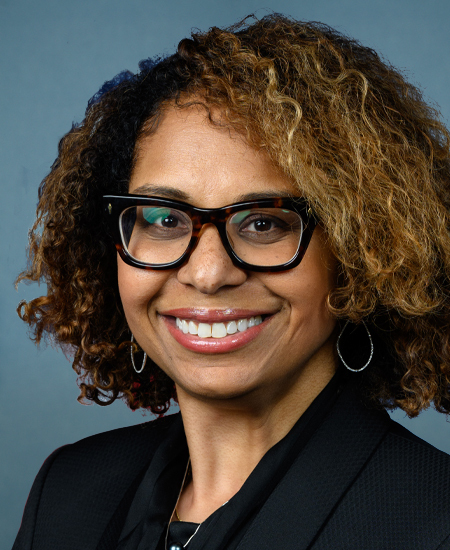
Rep. Sydney Kamlager-Dove
Sponsored bills
Maddy summaryThe Abortion Justice Act of 2023 would establish $350 million in federal grants to support abortion access, including coverage for transportation, lodging, childcare, and direct care services. It would require health care facilities receiving federal funds to provide abortion care and mandate comprehensive coverage for abortion services in all health insurance plans, including Medicaid, Medicare, and private insurance. The bill would also remove barriers for immigrants seeking abortion care, clarify privacy protections for reproductive health information under HIPAA, and prohibit immigration enforcement within 2,000 feet of health care facilities. These provisions would directly affect people seeking abortion care, health care providers, and immigrant communities across the United States.
Maddy summaryThe ARC Act of 2023 establishes a national program to address peripheral artery disease (PAD), which disproportionately affects minority populations and leads to avoidable amputations. The bill requires Medicare and Medicaid to cover PAD screening tests (such as ankle-brachial index testing) for at-risk beneficiaries without cost-sharing, including people 65+ or those with diabetes, smoking history, or other risk factors. It authorizes $6 million annually for a CDC-led education program to inform healthcare providers and the public about PAD prevention and treatment. The bill also creates quality measures to encourage alternative treatments to amputation and establishes a pilot program to test amputation prevention services at healthcare facilities. These provisions aim to reduce amputation rates and improve outcomes for millions of Americans with PAD.
Maddy summaryThe LIFT the BAR Act removes barriers preventing lawfully present noncitizens from accessing federal benefits like food assistance, Medicaid, and school meals. It repeals specific 1996 welfare law provisions that excluded noncitizens and updates terminology to replace "alien" with "noncitizen" throughout federal law. The bill expands eligibility to include noncitizens in categories such as Deferred Action for Childhood Arrivals (DACA) recipients, individuals with special immigrant juvenile status, and those with pending U-visa applications. This change ensures more noncitizens lawfully present in the U.S. can access essential services without being denied based on immigration status.
Maddy summaryThe Menstrual Equity For All Act of 2023 requires free menstrual products to be available at no cost in public schools, colleges, correctional facilities, and federal buildings. It makes menstrual products covered by Medicaid, prohibits taxes on these products, and provides funding through social services programs to help low-income individuals access menstrual products. The bill directly affects students (K-12 and college), incarcerated people, homeless individuals, employees (in businesses with 100+ workers), Medicaid beneficiaries, and people receiving Temporary Assistance for Needy Families (TANF). Key provisions include amending school funding to require free products, creating college grant programs for menstrual product distribution, and adding menstrual products to Medicaid coverage and social services programs.
Maddy summaryThe Medicare for All Act would establish a single-payer national health insurance program providing comprehensive coverage to all U.S. residents without cost-sharing. It would replace current private insurance and government programs like Medicare and Medicaid with a unified system covering all medically necessary services including hospital care, prescription drugs, mental health services, reproductive care, long-term care, and preventive services. The bill prohibits private insurers from offering duplicate coverage and requires providers to participate without charging patients for covered services. Implementation would occur over a two-year transition period, with a "Medicare Transition Buy-In" option allowing people to enroll before full implementation.
Maddy summary# Summary of Proposed Immigration Legislation This comprehensive immigration bill proposes sweeping reforms across multiple areas of U.S. immigration policy. The key provisions can be categorized as follows: ## Family Immigration Reforms - Expands eligibility for family-based visas - Creates new pathways for family reunification - Reforms the "child out" rule for H-4 visa holders who age out - Establishes new procedures for sponsors of unaccompanied children ## Employment-Based Immigration - Increases diversity visas from 55,000 to 80,000 - Creates new categories for doctoral STEM graduates - Eliminates per-country limits for employment-based visas - Addresses visa backlogs by creating new categories for beneficiaries with priority dates over 10 years old - Increases visa numbers for certain employment-based categories (e.g., 23.55% instead of 28.6% for certain categories) - Creates a Regional Economic Development Immigrant Visa Pilot Program (10,000 visas annually) ## Diversity and Integration Programs - Creates a United States Citizenship and Integration Foundation to promote citizenship preparation - Establishes pilot programs for immigrant integration at state and local levels - Creates English as a Gateway to Integration grant program ($100 million for 2024-2025) - Creates Workforce Development and Shared Prosperity grant program ($100 million for 2024-2025) - Requires in-state tuition rates for refugees, asylees, and certain special immigrants - Waives English requirements for seniors applying for naturalization ## Immigration Court Reforms - Increases immigration judge numbers by 55 annually through 2028 - Creates a right to counsel for vulnerable individuals (children, victims of abuse, etc.) - Establishes an Immigration Counsel Fund with a $25 surcharge on immigration fees - Requires all noncitizens to receive legal orientation programs - Modernizes court technology for improved efficiency - Creates procedures for ensuring court appearance compliance ## Refugee and Asylum Processing - Expands alternatives to detention for family units - Improves processing for asylum seekers - Creates programs to facilitate safe and efficient repatriation - Establishes reintegration support for repatriated individuals ## Naturalization and Citizenship - Creates citizenship pathways for U.S. high school graduates - Waives English requirements for seniors - Creates a National Citizenship Promotion Program - Establishes naturalization ceremonies at historic locations The bill aims to create a more efficient immigration system, address backlogs in immigration courts, promote immigrant integration, create clearer pathways to citizenship, and reform both family-based and employment-based immigration systems. It represents a comprehensive approach to modernizing U.S. immigration policy.
Maddy summaryThe Women in Criminal Justice Reform Act (HR 2954) aims to create gender-responsive policies across the criminal justice system for women. It requires law enforcement officers to receive gender-informed training on trauma, domestic violence, and the unique needs of women, and establishes pretrial diversion programs that focus on addressing trauma, substance use, and family needs rather than incarceration. The bill mandates improved healthcare for incarcerated women, including reproductive care, trauma-informed mental health services, and gender-specific prison conditions. It also expands access to programs for mothers and infants in prison and requires facilities to maintain family connections through visitation and community reentry programs. The legislation directly affects women in the criminal justice system, law enforcement officers, correctional staff, and prison healthcare providers.
Maddy summaryThe Green New Deal for Health Act establishes a federal Office of Climate Change and Health Equity within the Department of Health and Human Services to coordinate climate and health efforts across government agencies. It requires health care facilities to become more climate-resilient through infrastructure upgrades, mandates climate risk disclosure for medical products, and creates new training programs for health professionals on climate-related health risks. The bill expands Medicare coverage for home resiliency services like heat pumps and solar batteries for individuals medically vulnerable during climate disasters, and provides funding for community mental health programs focused on climate resilience. It prioritizes support for environmental justice communities and individuals disproportionately affected by climate change, including those with certain health conditions, ages, or social vulnerabilities.
Maddy summaryThe Tribal Family Fairness Act (HR 2762) increases federal funding and streamlines support for tribal child welfare programs. It sets a minimum $10,000 grant per tribe (up from $5,000), raises the tribal set-aside for child welfare funding from 3% to 4.5%, and boosts total mandatory funding from $345 million to $356 million annually. The bill also allows tribes to use funds for "tribal customary adoptions" and simplifies application/reporting for tribes receiving under $50,000, while permitting in-kind contributions to meet matching requirements. These changes directly affect federally recognized tribes operating child welfare programs under the Social Security Act.