

Maddy summaryThis bill authorizes a one-time $40,000 payment to former Air America employees who served at least five years during 1950-1976, or to their survivors (widows/widowers, dependents, or children). Additional $8,000 payments are provided for each full year of service beyond five years. The total funding is capped at $60 million, with claims due within two years of regulations being finalized. It does not create ongoing benefits or change Air America’s legal status, and payments are issued as a single lump sum.
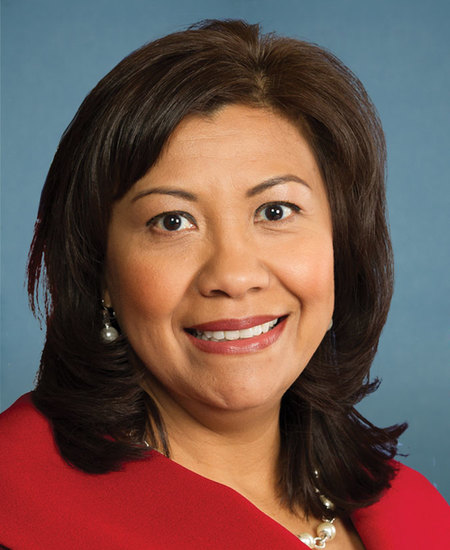
Rep. Norma J. Torres
Sponsored bills
Maddy summaryThe Safe Schools Improvement Act (HR 6031) requires public elementary and secondary schools to implement comprehensive anti-bullying policies that specifically prohibit harassment based on protected characteristics like race, gender identity, disability, religion, and sexual orientation. It mandates schools to collect and publicly report annual data on bullying incidents while establishing clear grievance procedures for students and parents. The bill also requires states to submit biennial reports on school compliance and supports evidence-based interventions, such as restorative practices, to reduce exclusionary discipline. This legislation directly affects all public K-12 schools and students in the U.S., aiming to create safer learning environments through standardized policy requirements and data transparency.
Maddy summaryHRES 754 is a symbolic House resolution recognizing the heritage, culture, and contributions of Latinas in the United States. It highlights Latinas' roles in business (owning over 2 million businesses), military service (45,710 active duty), arts (Oscar-winning artists like Rita Moreno), and public service, while noting persistent challenges like the 57-cent pay gap. The resolution does not create new laws or policies but formally honors these contributions and acknowledges the need for further progress toward equality. It was introduced by multiple representatives and referred to the Committee on Oversight and Accountability.
Maddy summaryThis non-binding resolution expresses congressional support for designating the first Friday of October as "Manufacturing Day." It cites manufacturing's economic impact - including $2.79 trillion in annual contributions to GDP (11% of U.S. GDP) and 13 million direct jobs - to highlight the sector's significance. The resolution does not create new laws or funding but aims to raise public awareness about manufacturing's role in the economy and innovation. It directly affects the public and manufacturers by promoting recognition of the industry through a designated annual observance.
Maddy summaryHCONRES 68 is a symbolic resolution expressing the House of Representatives' support for recognizing September 26, 2023, as "World Contraception Day." It states the House's "sense" that Congress and the Administration should work to improve universal, affordable access to contraception for all people who may become pregnant, both domestically and globally. The resolution calls for evidence-based policies to address disparities in access, expand comprehensive sex education, and support programs like Title X family planning services, without creating new laws or funding. It directly affects all individuals seeking reproductive health care, particularly those facing barriers due to race, income, location, or gender identity. The resolution does not mandate action but outlines policy priorities for future consideration.
Maddy summaryHRES 746 is a symbolic House resolution designating September 2023 as "National Ovarian Cancer Awareness Month." It does not create new laws or policies but aims to raise public awareness about ovarian cancer. The resolution highlights the disease's impact - such as it being the fifth leading cause of cancer deaths in women - and emphasizes the importance of recognizing symptoms early. This designation supports educational efforts by organizations like the Ovarian Cancer Research Alliance during September to improve public and healthcare provider understanding of the disease.
Maddy summaryThis bill replaces "Columbus Day" with "Indigenous Peoples’ Day" as the official federal holiday observed on the second Monday in October. It directly affects federal government operations and all federal documents, rules, or laws that previously referenced "Columbus Day" by automatically updating those references to "Indigenous Peoples’ Day" upon enactment. The key mechanism is a simple amendment to federal law (5 U.S.C. § 6103(a)) to change the holiday name and a provision ensuring all existing federal references to Columbus Day are legally treated as referring to Indigenous Peoples’ Day instead. This is a procedural change to federal holidays and references, not a new policy or program.
Maddy summaryThis bill amends the Higher Education Act to require all U.S. colleges and universities receiving federal financial aid to create detailed anti-harassment policies covering physical, online, and institution-sponsored settings. It mandates policies prohibiting harassment based on race, sex (including sexual orientation and gender identity), disability, religion, and other protected characteristics, including harassment via institutional email, computers, or electronic messaging. The bill also establishes a $50 million annual grant program to fund colleges developing prevention programs, victim support services, and training for students and staff on recognizing and addressing harassment. These policies and grants must comply with existing civil rights laws like Title IX but add specific requirements for reporting and prevention.
Maddy summaryHRES 720 designates the week of September 24-30, 2023 (and annually thereafter) as "Gold Star Families Remembrance Week" to honor families who have lost loved ones in military service. It specifically recognizes the sacrifices of families of fallen service members and veterans, and encourages Americans to observe the week through community service and celebrating the lives of those who died protecting the nation. This resolution is procedural and symbolic, with no new funding, regulations, or policy changes - only a formal designation to honor these families. It directly affects Gold Star families (those with members who died in military service) and the broader public through its call for observance.
Maddy summaryHR 5610 establishes a 15-member Commission to examine historical discrimination against LGBTQ+ service members and veterans. The Commission will document policies targeting LGBTQ+ individuals in the military since WWII, gather testimonies from affected veterans, and analyze impacts on mental health, benefits access, and financial stability. It must hold public hearings, examine how discrimination affected racial minorities and women within the military, and recommend solutions like record corrections, improved benefits for LGBTQ+ veterans, and better diversity training. The Commission will submit a final report to Congress within one year, proposing concrete steps to address past harms and improve inclusion in the military.