

Maddy summaryThe 9-8-8 Implementation Act of 2023 establishes a national mental health crisis response system centered around the 9-8-8 suicide prevention hotline. It provides $441 million for call center technology, staffing, and operations, and requires Medicare, Medicaid, and private health plans to cover crisis response services including mobile crisis teams and crisis stabilization facilities. The bill also mandates a national suicide prevention media campaign and creates protocols for 9-1-1 dispatchers to better respond to mental health crises. These provisions aim to improve access to mental health crisis care across the United States.
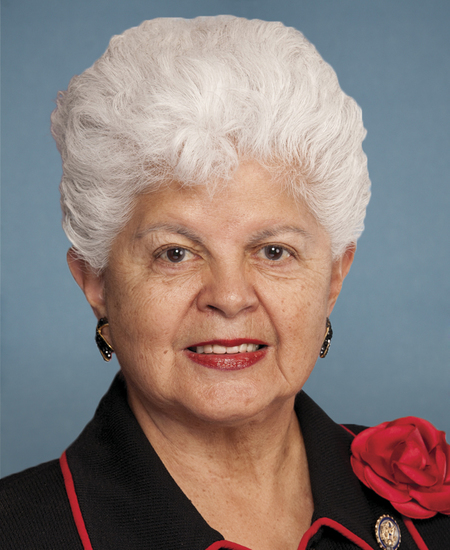
Rep. Grace F. Napolitano
Sponsored bills
Maddy summaryHR 4752 (the CHANGE Act of 2023) requires Medicare to include standardized cognitive impairment screening during annual wellness visits and initial preventive physical exams for beneficiaries starting in 2024. It mandates doctors use National Institute on Aging-approved tools to detect memory issues and document results in medical records. This directly affects Medicare patients aged 65+ and their healthcare providers, aiming to enable earlier Alzheimer’s diagnosis and care planning. The bill focuses on making routine screenings a standard part of Medicare-covered checkups, not on funding or new programs. It does not alter existing Medicare benefits but adds a specific screening requirement to two existing service categories.
Maddy summaryThe Social Security 2100 Act would significantly enhance Social Security benefits for millions of Americans by increasing monthly payments for retirees, disabled workers, widows/widowers, and children. Key provisions include raising the minimum benefit for long-term low earners, improving cost-of-living adjustments using a more accurate index, eliminating the 5-month waiting period for disability benefits, and extending child benefits to age 26. The bill also changes how Social Security taxes are calculated by applying them to income above $400,000 and establishes a unified Social Security Trust Fund to manage program finances. Most provisions would apply to benefits payable from 2025 through 2034, affecting all current and future Social Security beneficiaries.
Maddy summaryHR 4475, the Period PROUD Act of 2023, allocates $1.9 billion over four years (2025-2028) through the Social Services Block Grant Program to provide free menstrual products to low-income menstruating individuals. It requires states to distribute funds to qualified nonprofits for direct product distribution, community outreach, and improving access, while limiting administrative costs to 9% of funds. The bill mandates an evaluation by 2030 to assess health impacts and requires annual reports on program effectiveness. It also establishes best practices for schools on discussing menstruation and exempts funding from automatic budget cuts.
Maddy summaryThe Abortion Justice Act of 2023 would establish $350 million in federal grants to support abortion access, including coverage for transportation, lodging, childcare, and direct care services. It would require health care facilities receiving federal funds to provide abortion care and mandate comprehensive coverage for abortion services in all health insurance plans, including Medicaid, Medicare, and private insurance. The bill would also remove barriers for immigrants seeking abortion care, clarify privacy protections for reproductive health information under HIPAA, and prohibit immigration enforcement within 2,000 feet of health care facilities. These provisions would directly affect people seeking abortion care, health care providers, and immigrant communities across the United States.
Maddy summaryThis bill, the Public Servants Protection and Fairness Act of 2023, amends Social Security to better protect public servants who work in jobs not covered by Social Security (such as certain government positions). It creates a new formula for calculating retirement benefits that combines both covered and noncovered earnings, ensuring public servants receive the higher of two benefit calculations. The bill also provides an additional $150 monthly payment for certain public servants whose benefits were previously reduced by the windfall elimination provision. It improves Social Security account statements to clearly show noncovered earnings and requires a study of how state retirement plans handle these benefits. These changes will apply to benefits starting in 2025.
Maddy summaryThe LIFT the BAR Act removes barriers preventing lawfully present noncitizens from accessing federal benefits like food assistance, Medicaid, and school meals. It repeals specific 1996 welfare law provisions that excluded noncitizens and updates terminology to replace "alien" with "noncitizen" throughout federal law. The bill expands eligibility to include noncitizens in categories such as Deferred Action for Childhood Arrivals (DACA) recipients, individuals with special immigrant juvenile status, and those with pending U-visa applications. This change ensures more noncitizens lawfully present in the U.S. can access essential services without being denied based on immigration status.
Maddy summaryHR 3926, the Protecting Our Widows and Widowers in Retirement Act (POWR Act), increases Social Security benefits for surviving spouses in households where both spouses earned retirement benefits. It changes the calculation so widows and widowers who worked and earned their own benefits will receive 75% of the sum of their own retirement benefit plus the deceased spouse’s primary benefit amount, rather than a fixed percentage. The bill also ensures Supplemental Security Income (SSI) eligibility and benefit amounts remain unaffected by these changes. The provisions apply to benefits payable after December 2023.
Maddy summaryThe Menstrual Equity For All Act of 2023 requires free menstrual products to be available at no cost in public schools, colleges, correctional facilities, and federal buildings. It makes menstrual products covered by Medicaid, prohibits taxes on these products, and provides funding through social services programs to help low-income individuals access menstrual products. The bill directly affects students (K-12 and college), incarcerated people, homeless individuals, employees (in businesses with 100+ workers), Medicaid beneficiaries, and people receiving Temporary Assistance for Needy Families (TANF). Key provisions include amending school funding to require free products, creating college grant programs for menstrual product distribution, and adding menstrual products to Medicaid coverage and social services programs.
Maddy summaryHR 3589, the Affordability is Access Act of 2023, requires health insurance plans to cover FDA-approved over-the-counter birth control without cost-sharing (like copays or deductibles). It directly affects millions of people who use contraception, particularly low-income individuals and those in areas with limited access to reproductive health services ("contraceptive deserts"). The bill clarifies that existing insurance coverage rules under the Affordable Care Act apply to over-the-counter contraceptives, and directs the FDA to expedite reviews for over-the-counter status. Retailers must not block access to these products but may refuse sales if payment isn’t provided.