

Prevent All Soring Tactics Act of 2022 or the PAST Act of 2022 This bill addresses the practice of soring horses. The soring of horses includes various actions taken on horses' limbs to produce higher gaits that may cause pain, distress, inflammation, or lameness. Specifically, the bill expands soring regulation and enforcement at horse shows, exhibitions, sales, and auctions, including by establishing a new system for inspecting horses for soring. In addition, the bill increases penalties for violations.
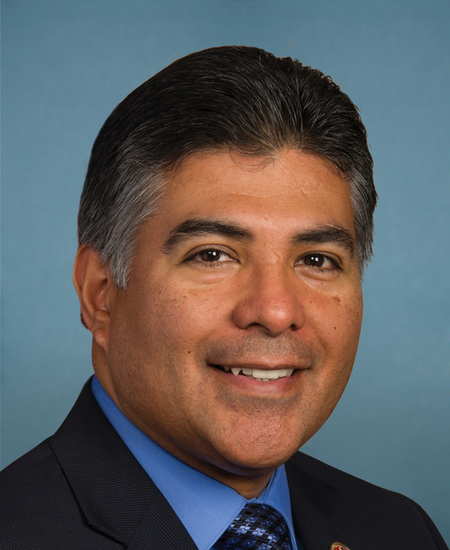
Rep. Tony Cárdenas
Sponsored bills
Asunción Valdivia Heat Illness and Fatality Prevention Act of 2022 This bill directs the Occupational Safety and Health Administration to promulgate a standard that requires employers to implement certain measures for protecting workers from heat stress and related illnesses or injuries. Heat stress refers to the load of heat that a person experiences due to sources of heat or heat retention (including metabolic heat, environmental factors, and clothing or personal protective equipment) or the presence of heat in a work setting. Further, if an employer cannot reduce exposure to heat stress below hazardous levels through engineering controls (e.g., heat shields and insulation) or personal protective equipment (e.g., heat reflective clothing), the employer must implement a program that mitigates such exposure through access to appropriate hydration and cool-down spaces, acclimatization policies, and periodic paid rest breaks. Additionally, the bill establishes requirements concerning judicial review, implementation, enforcement, recordkeeping, and whistle-blower protections related to the standard. The bill also requires the Department of Labor to include questions about heat-related illness and injury in the National Agricultural Workers Survey (an employment-based, random-sample survey of U.S. crop workers that collects demographic, employment, and health information).
This concurrent resolution expresses opposition to the application of criminal laws to pregnancy outcomes and affirms that people deserve access to high-quality health care without fear of reprisal or punishment.
Maddy summaryHJRES 53 proposes a constitutional amendment to ban slavery and involuntary servitude as a criminal punishment. Currently, the 13th Amendment to the U.S. Constitution permits such punishments for crimes, creating a legal loophole. If ratified by 3/4 of state legislatures, this amendment would eliminate that exception nationwide, making it unconstitutional to impose forced labor or slavery as part of criminal sentences. The change would directly affect all states' criminal justice systems, particularly prison labor practices, by prohibiting these punishments for any offense.
This joint resolution proposes a constitutional amendment providing that the rights protected by the Constitution are the rights of natural persons only. Artificial entities, such as corporations, shall have no rights under the Constitution and are subject to regulation. The amendment requires federal, state, and local government to (1) regulate, limit, or prohibit election contributions and expenditures, including a candidate's own contributions and expenditures; and (2) require that any permissible contributions and expenditures be publicly disclosed. The judiciary is prohibited from construing the spending of money to influence elections to be speech under the First Amendment, and the amendment shall not be construed to abridge the freedom of the press.
This resolution expresses support for the designation of National Voting Rights Month, encourages people to uphold the right to vote, encourages Congress to pass certain voting rights legislation, encourages the development of strategies to educate students about voting, encourages the U.S. Postal Service to issue a special Representative John R. Lewis stamp during the month of September, and invites Congress to allocate funds for public service announcements regarding elections.
Maddy summaryHRES 1317 designates November 20-December 20, 2022, as "National Survivors of Homicide Victims Awareness Month." It symbolically recognizes families, friends, and communities affected by homicide, particularly highlighting disproportionate impacts on Black and Hispanic/Latinx survivors. The resolution encourages raising awareness, supporting survivors through services, and promoting research on trauma and healing. As a non-binding resolution, it does not create new laws or allocate funding but calls for community engagement and compassion.
This resolution expresses support for implementing a Transgender Bill of Rights that guarantees certain rights for transgender and nonbinary people with respect to public services and accommodations, employment, housing, health care, and other specified areas.
This resolution supports access to contraception and related reproductive health services, including by affirming the substantive due process rights that protect such access.
This resolution expresses support for the goals and values of the 54th anniversary of the Fair Housing Act and for efforts to strengthen housing protections, particularly during the COVID-19 pandemic and recovery.