

FEMA Empowering Essential Deliveries Act or the FEED Act This bill authorizes the Federal Emergency Management Agency (FEMA) to approve state, local, and Indian tribal government plans to partner with small and mid-size restaurants and nonprofit organizations to provide nutritious meals to individuals in need. Specifically, during the period following the President's emergency declaration of March 13, 2020, and under any subsequent major disaster declaration that supersedes it, FEMA may approve plans from state, local, and Indian tribal governments that (1) establish contracts with small and mid-sized restaurants and nonprofits, including faith-based organizations and soup kitchens, to prepare healthy meals for people in need; and (2) provide for partnerships with nonprofit organizations to purchase directly from food producers and farmers. FEMA shall waive federal matching requirements under the Robert T. Stafford Disaster Relief and Emergency Assistance Act during such period.
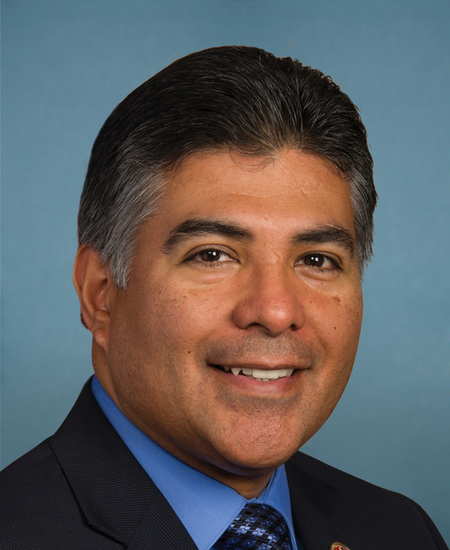
Rep. Tony Cárdenas
Sponsored bills
This resolution recognizes the contributions of frontline workers and other essential personnel and reaffirms the responsibility of Congress to meet the needs of those workers and the elderly during the COVID-19 (i.e., coronavirus disease 2019) pandemic.
Medical Debt Relief Act of 2021 This bill modifies requirements related to the reporting of medical debt. Specifically, a consumer reporting agency is prohibited from adding medical debt information to a consumer credit report if the debt was fully paid or settled, or is less than a year old. Additionally, a debt collector must notify the consumer prior to reporting medical debt to a consumer reporting agency.
Keep Our Promise to America's Children and Teachers Act or the Keep Our PACT Act This bill provides funding through FY2031 for grant programs operated by local educational agencies to provide supplementary educational and related services to low-achieving students and other students who attend elementary and secondary schools with relatively high concentrations of students from low-income families. Additionally, the bill permanently reauthorizes the grant program to assist states and outlying areas in providing special education and related services to children with disabilities.
USPS Fairness Act This bill repeals the requirement that the U.S. Postal Service annually prepay future retirement health benefits.
Expanding Opportunity through Pre-Apprenticeships Act This bill requires the Office of Apprenticeship (OA) within the Department of Labor to create a plan to expand participation in pre-apprenticeship programs for underrepresented populations and individuals with barriers to employment, and requires Labor to award related grants to certain eligible entities (e.g., community-based organizations, pre-apprenticeship sponsors, and employers for an in-demand industry or occupation). Specifically, the bill establishes pre-apprenticeship program standards and requirements; directs Labor to collect data on pre-apprenticeship programs, using workforce innovation and opportunity indicators of performance, on how programs resources are spent, and on the diversity and equal opportunity in apprenticeship programs; directs the OA in partnership with state apprenticeship agencies to conduct research in state labor markets and create a plan to expand participation in registered pre-apprenticeship programs for nontraditional populations or individuals with barriers to employment such as youth, women, people of color, long-term unemployed, individuals with disabilities, individuals with substance abuse issues, individuals impacted by the criminal justice system, and veterans; and provides grants to serve participants from nontraditional apprenticeship populations with preference to women, people of color, veterans, those who have been impacted by the youth or adult criminal justice system, and individuals with barriers to employment between the ages of 16 and 24.
Stopping the Mental Health Pandemic Act This bill requires the Substance Abuse and Mental Health Services Administration to award grants to states, tribal nations, local governments, behavioral health and primary care providers, and community organizations to support behavioral health treatment and services during the COVID-19 (i.e., coronavirus disease 2019) pandemic.
Community Health Center Mental Health Screening Act This bill authorizes the Department of Health and Human Services to award grants for mental and behavioral health screenings and mental health services to federally qualified health centers.
Ensuring Coverage in Public Health Emergencies Act of 2021 This bill requires private health insurance plans to provide a 30-day special enrollment period for eligible individuals after a public health emergency is declared. An employee who is eligible but not enrolled may enroll in an employer-provided group health plan during the special enrollment period.
Emergency Water is a Human Right Act This bill creates a grant program, administered by the Department of Health and Human Services, to provide funds to states and Indian tribes to assist low-income households that pay a high proportion of household income for drinking water and wastewater services. Further, any entity receiving financial assistance under this grant program must ensure that no home energy service or public water system service is or remains disconnected or interrupted during the COVID-19 (i.e., coronavirus disease 2019) public health emergency.