

Maddy summaryThis bill requires the Department of Energy to develop a national roadmap for bidirectional EV charging within 12 months, outlining strategies, costs, and obstacles for expanding this technology. It mandates that all new electric vehicles (including cars and school buses) manufactured starting in 2027 must support bidirectional charging - allowing EVs to both receive power from chargers and supply power back to the grid or other devices. Manufacturers failing to comply face civil penalties of up to $21,000 per vehicle, with penalties adjusted based on factors like violation scale and business size. Additionally, the bill directs FEMA to require state and local disaster recovery plans to incorporate bidirectional charging capabilities for emergency power resilience.
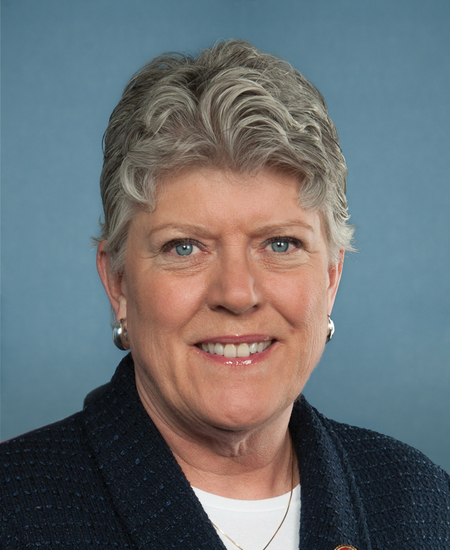
Rep. Julia Brownley
Sponsored bills
Maddy summaryThis bill changes how the VA calculates benefits for veterans with health conditions linked to military sexual trauma. It requires the VA to start paying retroactive benefits from the day after a veteran's military discharge, rather than from the claim filing date. This directly affects veterans diagnosed with covered mental or physical health conditions resulting from military sexual trauma. The key provision amends VA law to mandate retroactive payments beginning at discharge, ensuring veterans receive compensation for the full period they were discharged until the claim is approved. It does not alter eligibility but changes the effective date for payment calculations.
This resolution supports the naming of new or undedicated Department of Veterans Affairs facilities after women veterans and minority veterans to reflect the diversity of all who have served in the Armed Forces.
Maddy summaryHR 6301, the Cancer Drug Parity Act of 2023, requires group health plans to ensure that out-of-pocket costs for oral anticancer drugs (taken by patients at home) are no higher than for intravenous or injected anticancer drugs. It applies to patients prescribed oral anticancer medications approved by the FDA and deemed medically necessary or clinically appropriate by their physician. The law prohibits insurers from increasing patient costs for oral drugs through benefit changes, such as higher copays or stricter coverage limits, and allows prior authorization for all chemotherapy. The law takes effect for 2024 plan years, and the GAO will study its impact on patient costs within two years.
Maddy summaryThis bill would authorize the U.S. government to confiscate Russian sovereign assets held in U.S. jurisdiction and use those funds to support Ukraine's reconstruction and humanitarian needs following Russia's invasion. It prohibits releasing these blocked assets until Russia fully compensates Ukraine or agrees to an international compensation mechanism. The bill establishes a "Ukraine Support Fund" to hold confiscated assets and requires regular congressional reporting on how these funds are allocated for Ukraine's recovery. It also includes provisions for international coordination with allies on sanctions and asset management related to Russia's invasion of Ukraine.
Living Organ Donor Tax Credit Act of 2023 This bill establishes a refundable tax credit of up to $5,000 for expenses related to the removal and donation of all or part of a kidney, liver, lung, pancreas, intestine, or bone marrow by a living individual for transplant into another individual. Expenses that may be included in the calculation of this tax credit include travel, lodging, medical expenses related to donation and follow-up care, paperwork and legal costs, lost wages, and any other costs paid by the taxpayer in connection with the transplant. Expenses related to the transplant that are reimbursed by any person or entity (public or private) may not be included in the calculation of the credit amount.
Maddy summaryHR 6172, the AMMO Act, requires federal firearms licensees (dealers/manufacturers) to implement new rules for selling ammunition to non-licensed buyers. It prohibits transfers exceeding 100 rounds of .50 caliber or 1,000 rounds of other calibers within any 5-day period and mandates written certification from buyers confirming they haven’t exceeded these limits. Licensees must also conduct background checks through the National Instant Criminal Background Check System (NICS) before selling ammunition to non-licensed individuals, similar to firearm sales. The bill includes recordkeeping, signage, and reporting requirements for violations, with penalties including fines up to $250,000 for licensees and $50,000 for buyers making false statements.
Maddy summaryThis bill excludes veterans' disability and dependency payments from income calculations for HUD housing assistance programs. It directly affects veterans and their families receiving disability compensation under Title 38, U.S. Code, by ensuring these benefits don't reduce their eligibility or housing assistance amounts. Specifically, it prevents HUD from counting these payments when determining eligibility, benefit amounts, or rent calculations for assisted housing. The policy change applies solely to HUD-administered housing programs, not other federal benefits.
Maddy summaryHR 6201, the Iranian Sanctions Enforcement Act of 2023, creates the Iran Sanctions Enforcement Fund to cover costs related to seizing and forfeiting property from Iran or its designated proxies (like Hezbollah or the Revolutionary Guard Corps) that violate U.S. sanctions. The fund, initially $150 million, pays for investigative costs, property management, informant rewards, and equipment for federal, state, and local agencies involved in enforcement. It also establishes an Export Enforcement Coordination Center within Homeland Security to improve interagency cooperation on enforcing export controls targeting Iran. The bill requires annual reports on fund usage and mandates repayment of the initial $150 million by 2034, unless waived for national security reasons.
Maddy summaryThe Healthcare Workforce Resilience Act (HR 6205) reallocates unused employment-based immigrant visas from fiscal years 1992-2021 to directly support foreign nurses and physicians seeking permanent residency in the U.S. It creates 40,000 new visas - 25,000 for nurses and 15,000 for physicians - available only to those with petitions filed within three years of the bill’s enactment. The bill includes expedited processing without fees, exempts these visas from country limits, and requires employers to attest that hiring foreign workers won’t displace U.S. workers. This policy change specifically targets healthcare staffing shortages by streamlining pathways for qualified foreign healthcare professionals.