

Maddy summaryThe Second Chance Reauthorization Act of 2024 extends funding for existing federal reentry programs through 2029, replacing previous 2019-2023 funding periods. It specifically adds new provisions requiring state and local reentry projects to include peer recovery services, substance use disorder treatment, case management, overdose reversal medications, and reentry housing. These changes directly affect state/local governments, prisons, and nonprofit organizations administering reentry services for people returning to communities after incarceration. The bill does not create new programs but continues and refines current initiatives focused on reducing recidivism through evidence-based support.
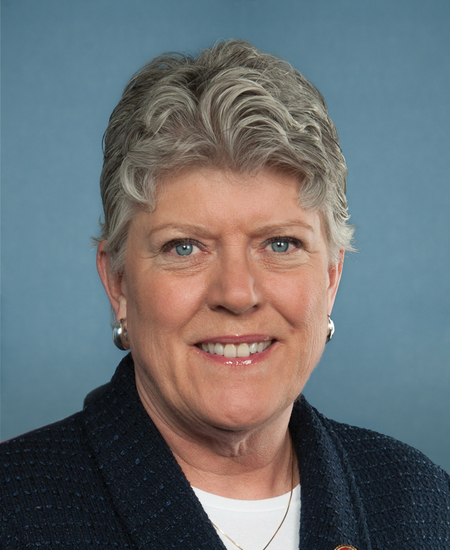
Rep. Julia Brownley
Sponsored bills
Maddy summaryThis bill requires the Department of Veterans Affairs to provide annual preventative health evaluations to veterans with spinal cord injuries or disorders. The evaluations cover health risk assessments, chronic pain management, dietary needs, prosthetic equipment functionality, and assistive technology options (like mobility devices or speech generators). The VA must also report annually to Congress on how many veterans receive these evaluations and assistive technologies, and consider these evaluations when assessing VA network performance. The law directly affects veterans with spinal cord injuries/disorders by mandating proactive health checks focused on preventing complications and improving mobility.
Maddy summaryThe Love Lives On Act of 2023 modifies benefits for surviving spouses of military veterans and service members. It removes an expiration date on the Marine Gunnery Sergeant John David Fry Scholarship for surviving spouses, ensures remarriage doesn't automatically end eligibility for veterans' dependency and indemnity compensation, and expands access to commissary and exchange privileges for remarried surviving spouses. The bill also clarifies that remarried widows or widowers whose subsequent marriage ended (due to death, divorce, or annulment) can still be considered dependents under TRICARE. These changes directly affect surviving spouses of veterans and military members who have remarried or are considering remarriage, providing more consistent benefits regardless of marital status.
Maddy summaryHR 3303, the Maternal Health for Veterans Act, requires the Department of Veterans Affairs (VA) to annually report on maternity care coordination programs and maternal health outcomes for veterans receiving care through VA facilities or VA-contracted providers. The bill mandates the VA to collect data on maternal outcomes - including disparities affecting high-risk demographic groups - and submit recommendations to Congress by September 2028. It authorizes $15 million annually (2024-2028) for VA maternity care coordination programs, supplementing existing funding without reducing current resources. The law directly affects veterans using VA maternity services, aiming to improve care through data-driven strategies.
Maddy summaryHR 1083, the Caring for Survivors Act of 2023, increases financial support for surviving spouses of veterans. It amends Title 38 to raise dependency and indemnity compensation from a fixed $1,154 to 55% of the monthly compensation rate under section 1114(j), effective six months after enactment. The bill also modifies eligibility for survivors of veterans who died before 1993, ensuring they receive the greater of their current benefit or the new calculation. Additionally, it reduces the required continuous service rating period for survivors from 10 years to five years when a veteran was totally disabled at death. These changes directly affect surviving spouses, particularly those with veterans who died prior to 1993.
Maddy summaryHRES 1145 is a non-binding resolution recognizing April as "Community College Month" to celebrate over 1,000 U.S. community colleges. It highlights these institutions' role in providing affordable higher education, workforce training, and economic support - serving 10 million students annually and contributing significantly to national prosperity. The resolution cites their impact, including generating $898 billion in added income and returning $6.80 in tax revenue per public dollar invested. This symbolic gesture aims to acknowledge community colleges' nationwide contributions without creating new policies or funding.
Maddy summaryThis bill creates a new federal tax credit for family child care providers who operate from their primary residence and hold state licenses. It allows qualifying providers to claim up to $5,000 in startup costs per year, including licensing fees, supplies, insurance, safety equipment, furniture, and required home renovations. The credit applies only once per provider (no repeat claims) and expires after 7 years. It directly benefits small-scale, licensed family child care providers serving at least two non-family children, aiming to reduce their initial business setup costs.
Maddy summaryHRES 1142 is a non-binding House resolution recognizing the 10th anniversary of Boko Haram's 2014 kidnapping of 276 Chibok schoolgirls in Nigeria and urging the Nigerian government to intensify efforts against Boko Haram. It specifically calls on Nigeria to prioritize recovering abducted women and girls, account for missing persons, reduce stigma against survivors, and allow family reunifications. The resolution also urges the U.S. government to implement existing anti-terrorism strategies and track missing persons for inclusion in annual reports. This resolution directly affects the Nigerian government and the remaining 98+ Chibok girls still held captive, alongside other victims of Boko Haram's violence. It does not create new law but formalizes a call for coordinated action to address ongoing captivity and conflict in Nigeria's northeast region.
Maddy summaryHR 7946, the Climate Change Education Act, directs the National Oceanic and Atmospheric Administration (NOAA) to establish a Climate Change Education Program within one year of enactment. The program requires states and school districts to develop climate literacy curricula for grades 4-12, aligned with state standards, ensuring students graduate with climate knowledge - including causes, impacts, and solutions - and integrates climate concepts into STEM, civics, and career education. It allocates $50 million annually (2025-2030) for grants, prioritizing environmental justice communities (40% of funds) and supporting teacher training, student-led projects, and partnerships with higher education and nonprofits. The bill mandates annual reports evaluating the program’s effectiveness and aims to build climate literacy across all educational levels.
Maddy summaryHRES 1124 is a non-binding resolution designating the last Tuesday of April each year as "APOL1-Mediated Kidney Disease (AMKD) Awareness Day." It specifically aims to raise public awareness about a genetic condition (AMKD) that disproportionately affects Black Americans, as approximately 13% of Black people carry high-risk APOL1 gene variants linked to a 1-in-5 chance of developing kidney disease. The resolution encourages individuals with African ancestry to consider genetic testing and adopt preventive health measures like regular doctor visits and healthy lifestyles to reduce kidney failure risk. It does not create new programs or funding but seeks to highlight existing health disparities and promote early intervention.