

Maddy summaryThe DROUGHT Act of 2024 increases federal funding for water infrastructure projects in areas facing severe drought or serving disadvantaged communities. It allows the Environmental Protection Agency to cover up to 90% of project costs (instead of standard limits) for projects in states or counties with severe drought (as defined by the U.S. Drought Monitor for 4+ weeks in the past 3 years or a governor's emergency declaration) or in communities designated as disadvantaged by EPA's screening tool or meeting state affordability criteria. The bill prioritizes projects that address both drought conditions and serve disadvantaged populations. This directly affects water infrastructure projects in eligible drought-impacted regions and communities with historical water access challenges.
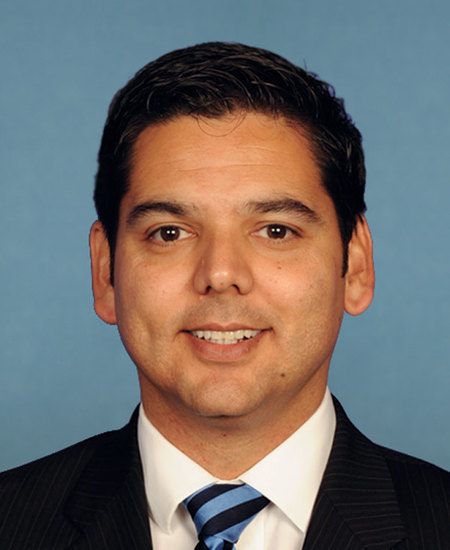
Rep. Raul Ruiz
Sponsored bills
Maddy summaryThis bill establishes the Chuckwalla National Monument (approximately 621,000 acres) and expands Joshua Tree National Park by 17,842 acres in California. It directly affects Native American tribes with cultural connections to the land, including the Cahuilla, Chemehuevi, Mohave, Quechan, and Serrano tribes, requiring collaborative management through a Tribal Commission. Key provisions protect sacred sites, biodiversity, and traditional cultural practices while preserving existing infrastructure like electric utilities and allowing continued recreation. The bill mandates a management plan within three years that incorporates tribal input and traditional ecological knowledge, balancing conservation with renewable energy development in nearby designated areas.
Maddy summaryThe Love Lives On Act of 2023 modifies benefits for surviving spouses of military veterans and service members. It removes an expiration date on the Marine Gunnery Sergeant John David Fry Scholarship for surviving spouses, ensures remarriage doesn't automatically end eligibility for veterans' dependency and indemnity compensation, and expands access to commissary and exchange privileges for remarried surviving spouses. The bill also clarifies that remarried widows or widowers whose subsequent marriage ended (due to death, divorce, or annulment) can still be considered dependents under TRICARE. These changes directly affect surviving spouses of veterans and military members who have remarried or are considering remarriage, providing more consistent benefits regardless of marital status.
Maddy summaryHR 1083, the Caring for Survivors Act of 2023, increases financial support for surviving spouses of veterans. It amends Title 38 to raise dependency and indemnity compensation from a fixed $1,154 to 55% of the monthly compensation rate under section 1114(j), effective six months after enactment. The bill also modifies eligibility for survivors of veterans who died before 1993, ensuring they receive the greater of their current benefit or the new calculation. Additionally, it reduces the required continuous service rating period for survivors from 10 years to five years when a veteran was totally disabled at death. These changes directly affect surviving spouses, particularly those with veterans who died prior to 1993.
Maddy summaryHRES 1148 is a resolution passed by the U.S. House of Representatives that condemns the Iranian government for supporting terrorism, regional proxy conflicts, and internal suppression of dissent - including its crackdown on protests following Mahsa Amini's death in 2022. It specifically calls for maintaining sanctions against Iran, supporting the Iranian Resistance's Ten-Point Plan (which advocates for a democratic, secular, nonnuclear Iran), and protecting Iranian political refugees in Albania. The resolution also affirms the Iranian people's right to self-determination under international law and urges the U.S. to recognize their struggle for freedom. As a non-binding resolution, it does not create new laws but formally expresses congressional stance.
Maddy summaryThe STAMP Act of 2024 bans state and local governments from taxing menstrual products. It prohibits taxes on items like pads, tampons, menstrual cups, discs, and period underwear that meet industry standards. The law directly affects consumers purchasing these products and state/local governments that previously imposed such taxes. It takes effect 120 days after enactment, removing tax burdens on menstrual products nationwide.
Maddy summaryThis bill establishes a federal grant program under the Safe Drinking Water Act to help water systems remove harmful nitrate and arsenic contaminants from drinking water. It provides $15 million annually for grants to eligible entities like community water systems, schools, nonprofits, and municipalities, prioritizing disadvantaged communities that haven't met safety standards or serve vulnerable populations like children. Grants cover treatment technology installation with first priority for low-income homeowners and landlords. The program requires grantees to identify contamination sources and reduction methods, limits administrative costs to 4% of funds, and mandates an equity review to ensure underserved populations benefit.
Maddy summaryHR 7826, the Tribal Community Protection Act of 2024, amends the Edward Byrne Memorial Justice Assistance Grant Program to require written notification about restraining orders issued on tribal lands. It directly affects federally recognized Indian tribes and tribal lands by mandating that law enforcement send certified mail notifications to tribes and the Bureau of Indian Affairs regarding such orders. The key provision specifies that written notification must be sent via registered or certified mail with return receipt, ensuring tribes receive official notice of restraining orders affecting their communities. This change applies to programs funded under the Justice Assistance Grant Program and uses existing definitions for "tribal lands" and "Indian tribe" from federal law.
Maddy summaryHR 7812, the National Parent and Youth Helpline Act, creates a federal grant program to establish a 24/7 national toll-free helpline for parents, caregivers, and youth facing personal challenges like emotional distress, substance abuse, or educational concerns. The grant, worth $20 million annually from 2025-2030, will fund one nonprofit to operate the helpline (via phone, text, and chat), host weekly evidence-based support groups, and maintain a resource website. It specifically prioritizes serving diverse groups, including LGBTQ+ individuals, and requires annual performance reports to the Secretary and a congressional report after three years. The bill directly affects millions of parents and youth by providing accessible, trauma-informed support to strengthen families and prevent issues like child maltreatment.
Maddy summaryHR 7770, the Rosie the Riveter Commemorative Coin Act, authorizes the U.S. Mint to produce and sell three commemorative coins honoring women who worked on the U.S. home front during World War II. It specifies $5 gold coins (max 50,000), $1 silver coins (max 400,000), and half-dollar coins (max 750,000), all to be issued between January 1, 2025, and December 31, 2025. Each coin sale includes a surcharge ($35 for gold, $10 for silver, $5 for half-dollar), with all surcharge funds directed to the Rosie the Riveter Trust for maintaining the Rosie the Riveter WWII Home Front National Historical Park and educational programs. The coins will feature designs reflecting the legacy of diverse women workers and must meet specific weight, diameter, and composition standards.