

Maddy summaryThe Outdoors for All Act establishes a federal grant program to fund outdoor recreation projects in underserved communities. It authorizes the Secretary of the Interior to award grants to eligible entities (like states, cities, tribal organizations, or nonprofits) for acquiring land, developing parks, or renovating outdoor facilities in qualifying urban areas (population 25,000+ or tribal lands) or low-income communities (where 30%+ of residents have incomes at or below 80% of local median income or 200% of the federal poverty line). Grants require a 100% cash or in-kind match (with limited waivers), prohibit funding for indoor facilities or maintenance, and prioritize projects enhancing park access, engaging youth, creating jobs, or improving environmental benefits like reducing urban heat islands. The program mandates annual reporting and focuses on concrete community outcomes rather than speculative results.
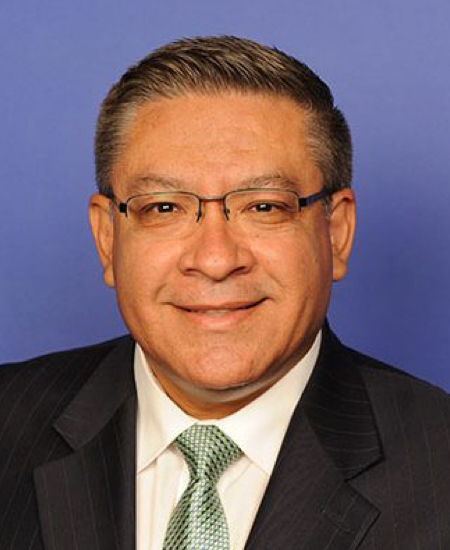
Rep. Salud O. Carbajal
Sponsored bills
Honoring Our WWII Merchant Mariners Act of 2023 This bill requires the Department of Veterans Affairs to distribute a payment of $25,000 to U.S. merchant marines who engaged in qualified service during World War II. To be eligible, an individual must apply for the benefit and must not have received benefits under the Servicemen's Readjustment Act of 1944. The bill sets forth what constitutes qualified service, including time frame of service and licensing requirements.
Maddy summaryThe HCBS Access Act requires states to cover home and community-based services (HCBS) under Medicaid for eligible individuals with disabilities or older adults who need these services to live in the community rather than in institutions. The bill establishes a 5-year implementation timeline for states to develop plans including individualized assessments to determine service needs and addressing workforce shortages for direct care professionals. Key provisions include expanding Medicaid coverage for HCBS, making permanent certain Medicaid provisions (spousal impoverishment protection and Money Follows the Person), and creating a grant program for states to implement these services. The bill directly affects over 53 million unpaid family caregivers and nearly 2.6 million direct care professionals by improving service access and addressing workforce challenges. It requires data collection on service access by demographics to address disparities and improve quality of care for vulnerable populations.
Maddy summaryThis bill authorizes a Congressional Gold Medal to honor the "Hello Girls" - female telephone operators who served in the Army Signal Corps during World War I. They provided critical battlefield communications in France (connecting 26 million calls), wore military uniforms, and faced combat risks, but were denied veteran benefits for 60 years due to being classified as civilian contractors. The medal recognizes their pioneering service, devotion, and the decades-long struggle to gain military recognition. The award follows similar recognition for other WWII women veterans and aims to correct the historical injustice they faced.
Maddy summaryThe PHIT Act of 2023 allows individuals and families to deduct certain fitness expenses as medical costs on their federal taxes. It covers gym memberships, fitness classes, and specific equipment used exclusively for exercise (like home workout gear), with a yearly limit of $1,000 ($2,000 for joint returns). Expenses for activities like golf, hunting, or non-exercise-focused facilities (e.g., private clubs) are excluded, and equipment must be used solely for physical activity. This directly affects taxpayers who pay for qualifying fitness programs, making these costs partially tax-deductible under revised IRS rules.
Maddy summaryThis bill requires Medicaid to cover dental and oral health services for adults beginning in 2025, directly affecting low-income adults enrolled in Medicaid. It defines covered services to include preventive care, restorative treatments, dentures, implants, and emergency dental care. The bill increases federal funding for these services (100% FMAP for a 12-quarter period starting in 2025) and requires states to implement new quality measures tracking oral health outcomes and disparities. It also mandates reports on access barriers and creates outreach programs to improve culturally competent dental care for underserved populations.
Maddy summaryThe Paycheck Fairness Act (HR 17) strengthens equal pay protections by amending the Fair Labor Standards Act. It prohibits pay discrimination based on sex, pregnancy, childbirth, sexual orientation, gender identity, and sex characteristics. The bill modifies employer defenses for pay differences to require demonstration that any disparity is job-related, consistent with business necessity, and accounts for the entire pay differential. It also prohibits employers from relying on wage history when making hiring decisions or setting pay, enhances penalties for violations, and requires the EEOC to collect compensation data disaggregated by sex, race, and national origin.
Maddy summaryHCONRES 22 is a symbolic resolution recognizing the persistent gender pay gap in the U.S., documenting that women earn significantly less than men across racial groups (e.g., Black women earn 67 cents for every dollar earned by White men). It highlights the economic impact of this disparity, noting women lose over $958 billion annually in wages and face barriers like occupational segregation and workplace harassment. The resolution does not create new laws or policies but formally acknowledges the issue and reaffirms Congress’s commitment to addressing the gap. It references specific Equal Pay Days (e.g., March 14 for all women) to underscore the time women must work to earn what men did the previous year.
Maddy summaryHR 1478 requires federal firearm dealers to implement physical security measures, including locked cabinets, security systems, and video surveillance, to prevent gun thefts. The bill mandates quarterly inventory checks, extends background check record retention from 24 hours to 90 days, and repeals restrictions that prevented the ATF from disclosing crime gun trace data. It increases penalties for violations, including fines up to $20,000 and license suspension or revocation for repeated failures. The bill directly affects all federally licensed firearm dealers, manufacturers, and importers by holding them accountable for security failures and recordkeeping. This legislation aims to reduce gun trafficking by strengthening enforcement and transparency in the firearm industry.
Servicemember Credit Monitoring Enhancement Act This bill makes available to uniformed service members free electronic credit monitoring that is currently available to active duty service members.