

Maddy summaryThis resolution condemns the global rise of antisemitism and urges all countries and international organizations to adopt the Global Guidelines for Countering Antisemitism, which were developed by the U.S. and partners in Buenos Aires. The guidelines include specific policies for protecting Jewish communities, collecting data on antisemitism, and promoting Holocaust education. As a non-binding resolution, it does not create new laws but calls for formal endorsement of these international standards. The House emphasizes strengthening global cooperation to counter antisemitism, referencing the U.S. National Strategy to Counter Antisemitism and over 40 nations that have already supported the guidelines.
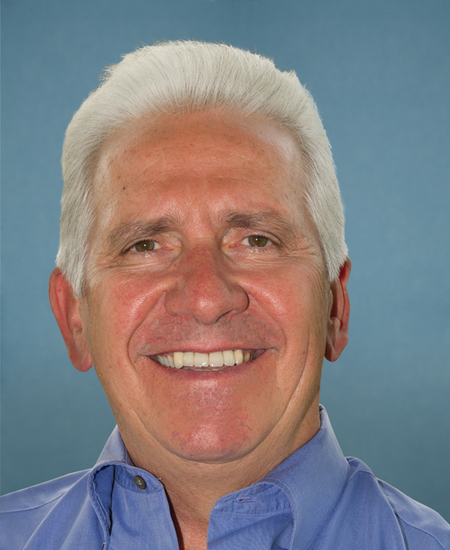
Rep. Jim Costa
Sponsored bills
Maddy summaryHRES 1578 is a ceremonial resolution honoring the American Jewish Committee (AJC) on its 118th anniversary. It recognizes the AJC’s founding in 1906 and commends its work on human rights advocacy, interfaith dialogue, and promoting Israel’s security. The resolution has no policy impact - it is purely symbolic, expressing congressional support for the AJC’s historical efforts to combat antisemitism and advance democratic values. It directly affects the AJC as an organization, acknowledging its global advocacy without creating new laws or obligations.
Maddy summaryHR 10140 increases federal funding for two water-related projects. It raises the authorized funding for the San Joaquin River Restoration Settlement Act from $250 million to $750 million, directly supporting the river restoration project. It also increases funding for Friant Division improvements from $50 million to $75 million under the 2009 Public Land Management Act. These changes provide additional financial resources for implementing the river restoration plan and upgrading water infrastructure in the Friant Division. The bill focuses solely on adjusting funding levels without altering project requirements or eligibility.
Maddy summaryThe Fix Our Forests Act creates a new system for managing wildfire risk on federal lands by designating "firesheds" (landscape-scale areas with high wildfire risk) and establishing a central coordination center called the Fireshed Center. It streamlines environmental reviews for vegetation management projects in these areas, requires public tracking of wildfire risk and management activities through a Fireshed Registry, and limits legal challenges to these projects. The bill affects federal land management agencies (like the Forest Service and Bureau of Land Management), communities in wildfire-prone areas, and utility companies managing vegetation near power lines. It also includes provisions for community wildfire risk reduction programs and research on new wildfire management technologies, aiming to accelerate risk reduction while maintaining transparency about where and how these projects are implemented.
Maddy summaryHRES 1566 is a symbolic House resolution honoring all U.S. veterans on Veterans Day 2024. It recognizes the service and sacrifice of the estimated 15.8 million veterans living in the U.S. as of 2023, including those who served in conflicts from World War II to post-9/11. The resolution calls on the American public to observe Veterans Day to acknowledge veterans' role in preserving national freedom. As a non-binding resolution, it has no direct policy impact but formally expresses congressional recognition of veterans' contributions.
Maddy summaryThis bill amends the Conservation Reserve Program to specifically support wetland habitat conservation on working agricultural lands within the Pacific Flyway. It allows the Secretary to enroll non-eligible farmland critical for habitat goals, permits seasonally flooded cropland uses with conservation practices, and adjusts rental payments to match regional wetland maintenance costs. The key change directly affects farmers and landowners who manage cropland used by wetland-dependent species, enabling them to maintain habitat while continuing agricultural operations. The bill waives matching payment requirements for these habitat-focused agreements, making participation more accessible under existing conservation programs.
Maddy summaryThis resolution (HRES 1558) is a symbolic House of Representatives measure supporting October as "National Domestic Violence Awareness Month." It does not create new laws or allocate funding but formally expresses the House's support for raising awareness about domestic violence and its impacts, and urges continued backing for existing programs that address domestic violence. The resolution cites statistics on domestic violence prevalence (e.g., 24 people per minute affected by intimate partner violence) to underscore the importance of the observance. It directly affects public awareness efforts but does not change policies or directly impact individuals.
Maddy summaryThis bill modifies how disability benefits are treated for homeless disabled veterans seeking housing assistance. It excludes certain disability payments (under Chapter 11 or 15 of Title 38, U.S. Code) from income calculations when determining eligibility for HUD-assisted housing programs, including the supported housing program under Section 8(o)(19) and housing on Department property. Specifically, it ensures these benefits are not counted toward income for housing eligibility, though they still count for "adjusted income" definitions. The bill directly affects disabled veterans applying for HUD housing assistance who receive these specific disability benefits. It makes a concrete change to income calculation rules without altering benefit amounts or creating new funding.
Maddy summaryHRES 1555 is a symbolic House resolution condemning the spread of false claims and malicious rumors about disaster response efforts, which have led to credible threats against FEMA personnel and disrupted aid for survivors. It specifically references incidents after Hurricanes Helene and Milton, including a pause in North Carolina door-to-door assistance due to safety threats and antisemitic targeting of officials. The resolution formally condemns those spreading disinformation for political gain and commits Congress to supporting FEMA’s efforts to combat misinformation and promote accurate recovery information. As a non-binding resolution, it does not create new laws but expresses congressional support for protecting disaster response workers and ensuring survivors receive timely aid.
Maddy summaryHRES 1554 is a symbolic House resolution expressing U.S. support for recognizing and commemorating the 1984 Sikh genocide in India. It calls for official remembrance of the violence that killed over 30,000 Sikhs, destroyed communities, and involved state complicity. The resolution specifically urges the U.S. government to commemorate the genocide, demand accountability for perpetrators, and reject any denial of the event. This resolution does not create new laws or affect specific groups directly; it is a formal statement of the House's position on historical recognition.