

Maddy summaryThe Puppy Protection Act of 2023 sets new standards for businesses that sell dogs (dealers), directly affecting pet stores and breeders operating under the Animal Welfare Act. It requires specific housing with space allowances based on dog size (e.g., 12-30 square feet per dog), temperature control (45-85°F), clean food twice daily, and daily exercise or socialization with humans/dogs for at least 30 minutes. The bill also mandates annual veterinary exams including dental care, strict breeding limits (e.g., age restrictions, maximum 2 litters in 18 months), and efforts to place retired breeding dogs in homes instead of selling them to other breeders. Regulations must be finalized within 18 months of enactment.
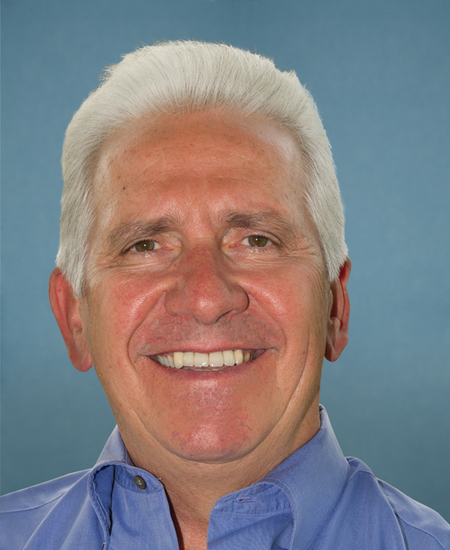
Rep. Jim Costa
Sponsored bills
Maddy summaryHR 2665 delays Medicaid payment reductions for safety net hospitals by two years, changing the effective date from 2024 to 2026 under Section 1923(f)(7)(A) of the Social Security Act. This bill directly affects hospitals that serve high numbers of low-income and uninsured patients, providing them with additional time before facing reduced federal Medicaid payments. The key mechanism is a technical amendment to existing law, postponing an already scheduled payment adjustment without altering funding levels or eligibility. As a procedural bill, it does not create new programs or change hospital requirements.
Maddy summaryHRES 240 is a non-binding House resolution condemning Russia for downing a U.S. Air Force drone in the Black Sea. It states that Russian Su-27 jets acted recklessly by bumping into the drone while it was operating safely in international airspace, causing it to crash-land. The resolution specifically condemns the Russian military's actions and declares that Russia's attempts to recover the drone pose a threat to U.S. national security. As a symbolic measure, it does not create new laws or affect any specific group.
Maddy summaryThe Family Violence Prevention and Services Improvement Act of 2023 amends the Family Violence Prevention and Services Act to improve services for victims of domestic violence, dating violence, and family violence. The bill authorizes $270 million annually for fiscal years 2024-2028, with specific allocations including 12.5% for Tribal grantees, 2.5% for culturally specific services, and funds for national hotlines and resource centers. It establishes a national domestic violence hotline, a National Indian Domestic Violence Hotline, and resource centers for Alaska Native and Native Hawaiian populations, requiring all services to be trauma-informed, culturally relevant, and accessible to underserved populations including racial and ethnic minorities, people with disabilities, and Tribal communities. The bill also mandates a study on financial stability support for survivors of domestic violence.
Maddy summaryHR 2630, the Safe Step Act, requires group health plans and health insurance issuers to establish a clear, transparent process for patients or their doctors to request exceptions to medication step therapy protocols. These protocols typically force patients to try cheaper drugs first before covering more expensive alternatives. The bill mandates that plans must approve exceptions when prior treatments failed, delay would cause serious harm, a treatment is unsafe, or a patient is stable on a previously approved drug, with strict 72-hour (or 24-hour in emergencies) decision timelines. It also requires plans to publish the exception process online and limit documentation requests to only necessary medical information. This law directly affects health insurers, employers offering health plans, and patients using step therapy for prescription drugs.
Maddy summaryHR 872, the FISH Act, transfers federal responsibility for managing anadromous fish (like salmon that spawn in fresh water and migrate to the ocean) and catadromous fish (like eels that spawn in the ocean and migrate to fresh water) from the Department of Commerce to the Department of the Interior. It amends the Endangered Species Act to update definitions and ensure all references to the managing agency now point to the Secretary of the Interior. The bill includes provisions to maintain continuity for existing permits, ongoing legal cases, and agency actions related to these fish species after the transfer. This change affects conservation programs, permits, and regulatory processes for these specific fish populations under federal law.
Maddy summaryHRES 275 is a non-binding House resolution supporting the designation of Vaisakhi (April 14 each year) as "National Sikh Day" to honor the Sikh community's contributions to U.S. diversity and history. It recognizes the Sikh community's role in fostering social justice, charitable work, and inclusive values since their immigration over 100 years ago. The resolution does not create a legal holiday but formally acknowledges Vaisakhi's significance as the founding day of the Khalsa in 1699 and the community's ongoing enrichment of American society. It directly affects the Sikh community by providing symbolic national recognition of their cultural and religious heritage.
Maddy summaryThis bill allows Medicaid coverage for incarcerated individuals during the 30 days preceding their release from public institutions. It directly affects people transitioning from prisons or jails back into communities by extending health coverage during this critical period. The key mechanism amends the Social Security Act to remove a Medicaid exclusion for this 30-day window. Additionally, it requires an 18-month report analyzing correctional healthcare standards, current discharge practices, and the potential impact of this coverage extension on post-release health access.
Helping Kids Cope Act This bill establishes programs within the Health Resources and Services Administration (HRSA) to support pediatric behavioral health care. Specifically, HRSA must award grants, contracts, or cooperative agreements to eligible health care providers for (1) integrating and coordinating pediatric behavioral health care within communities, and (2) pediatric mental health and substance use disorder workforce training. Additionally, HRSA must award grants, contracts, or cooperative agreements to hospitals or rural health clinics that predominately treat individuals under age 21 for expanding their capacity to provide pediatric behavioral health services. Recipients may use awards for constructing or modernizing sites of care and enhancing digital infrastructure, telehealth capabilities, or other improvements to patient care infrastructure.
Maddy summaryThis bill authorizes $50 million annually from 2024 through 2029 for the Centers for Disease Control and Prevention (CDC) to conduct or support research on firearms safety and gun violence prevention. The funding is specifically for studies under the Public Health Service Act, adding to existing research budgets rather than replacing them. It directly affects CDC researchers and public health agencies by providing dedicated resources to study gun violence causes and prevention strategies. The bill creates no new regulations or requirements, only enabling research to inform future policy decisions.