

Maddy summaryHRES 1375 is a non-binding resolution recognizing extreme weather as a critical threat to children's health and well-being, emphasizing that children face unique vulnerabilities due to their developing bodies, higher exposure to pollutants, and heightened risks during events like heatwaves, wildfires, and poor air quality. It expresses Congress's view that solutions must be developed and deployed rapidly and equitably, with specific attention to children's physical and mental health needs. The resolution suggests concrete measures such as improved air filtration in schools, accessible public alerts for extreme heat, expanded cooling centers, and better infrastructure for child-friendly emergency spaces, though it does not create new laws or mandates.
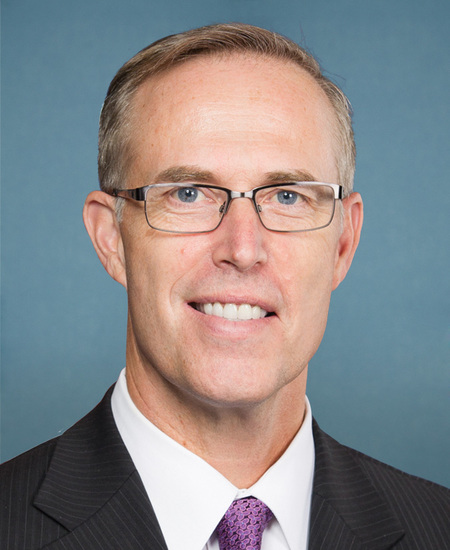
Rep. Jared Huffman
Sponsored bills
Maddy summaryHR 9038, the FAIR Fleets Act, requires the U.S. Postal Service to conduct ongoing assessments of its vehicle distribution and develop a strategic plan to increase fleet availability in underserved areas using fuel-efficient, modern vehicles. The bill mandates an annual report to Congress by December 31 each year, detailing fleet distribution by state, steps taken to improve service in underserved areas, and recommendations for further action. Underserved areas are specifically defined to include rural regions, postal regions with aging vehicles, counties with significant delivery delays, high-poverty urban neighborhoods, and tribal lands. The law aims to improve fleet modernization and equitable distribution across all U.S. regions.
Maddy summaryThis bill creates a tax on imported oil and gas (defined as "methane adjustment substances") based on the methane emissions associated with their production in the exporting country. Importers pay the tax, which is calculated by comparing the volume of imported product to the total production in that country, multiplied by the emissions charge a foreign producer would pay under U.S. Clean Air Act rules. It aims to reduce global methane emissions by making high-emission imports more expensive, while encouraging international cooperation with major oil/gas importers to adopt similar measures. The tax applies to sales/use after December 31, 2024, and includes provisions for tracking supply chain emissions and expanding the mechanism to other oil/gas-dependent products.
Maddy summaryHR 8891 amends the Federal Water Pollution Control Act to establish a formal San Francisco Bay Restoration Program. It allows federal funding through grants, cooperative agreements, or contracts for projects on an annual priority list, requiring at least 25% non-federal funding for grants (capping federal share at 75%) while permitting full federal coverage for other agreements. The bill directly affects federal, state, local, and nonprofit organizations, including the Estuary Partnership, working on Bay restoration projects. Key provisions define funding mechanisms and cost-sharing requirements to support specific restoration activities and studies.
Maddy summaryThis bill requires the Secretary of Commerce to standardize and publish geospatial data about public ocean and waterway access rules on a public website within 4 years. It mandates detailed information on where fishing is restricted, waterway closures, speed limits, allowed vessel types (like motorboats or kayaks), and fishing method rules. The data will include geographic boundaries of protected areas, seasonal closures, and navigation details like depth charts. This directly affects recreational users (boaters, anglers) and commercial operators who need clear, up-to-date access information for Federal waterways and fishing areas. The bill does not change existing fishing regulations but makes compliance information more accessible.
Maddy summaryHR 6841 creates a new Coastal and Estuarine Resilience and Restoration Program under the Coastal Zone Management Act, authorizing the Secretary of Commerce to protect and restore coastal and estuarine areas. The program prioritizes lands with ecological, recreational, or community value that face development threats or climate impacts, with special focus on low-income communities and climate mitigation. It requires non-governmental organizations applying for grants to demonstrate public access or ecological protection, and includes $47 million annually (2024-2028) for these efforts. This directly affects coastal states, local communities, and conservation groups managing vulnerable coastal lands.
Maddy summaryThis bill (HR 1208) amends the 1934 Indian Reorganization Act to clarify that the Secretary of the Interior can take land into trust for any federally recognized tribe, updating outdated language. It specifically revises Section 19 to replace "any recognized Indian tribe now under Federal jurisdiction" with "any federally recognized Indian Tribe." The bill also ratifies and confirms all past land trust decisions made for federally recognized tribes, protecting those actions from legal challenges based on historical recognition status. This change directly affects federally recognized tribes by ensuring their land trust authority remains valid under current law.
Maddy summaryHR 8830, the High Court Gift Ban Act, sets strict limits on gifts federal judges may accept. It prohibits judges from receiving gifts valued over $50 from a single source in a year, unless the total from that source stays under $100 annually. Key exceptions include gifts paid for by the judge, gifts from relatives, honorary degrees from educational institutions, and public opportunities available to all federal employees. The bill also outlines enforcement mechanisms, requiring the Judicial Conference to refer violations to the Attorney General for civil or criminal penalties. This directly affects all federal judges, including Supreme Court justices and lower court judges, by restricting gifts from sources that may have business before them.
Maddy summaryHR 8732, the Domestic Workers Bill of Rights Act, would establish new labor protections for domestic workers including nannies, housekeepers, and caregivers who work in private homes. The bill requires written agreements between employers and domestic employees, provides earned sick days, ensures fair scheduling practices, and prohibits unfair wage deductions for cash shortages or communications. It also creates a Domestic Employee Standards Board to recommend workplace standards and establishes a National Domestic Employee Hotline for assistance. The bill specifically targets domestic workers who have historically been excluded from labor protections under the Fair Labor Standards Act and Civil Rights Act, benefiting an estimated 2.2 million domestic workers in the U.S. who are disproportionately women of color and immigrants.
Maddy summaryHR 8726, the Alan S. Lowenthal Blue Whales, Blue Skies Act, establishes a voluntary program to reduce vessel speeds in designated coastal waters (initially modeled on California's existing program) to protect whales and reduce pollution. It requires large commercial vessels (300+ gross tons) transiting the "Program Area" to slow to 10 knots or less during specific periods, with annual "Excellence Awards" for compliant vessels. The program offers no mandatory participation, funding, or safety changes, and includes a logo for award-winning companies to display with compliance metrics. The Under Secretary must report on expanding the program to the entire U.S. Pacific coast within four years.