

Maddy summaryThe Migratory Bird Protection Act of 2024 establishes a new permitting system for industries (like energy, construction, and telecommunications) that accidentally harm migratory birds during routine operations, requiring them to obtain authorization before such harm occurs. It authorizes the Secretary of the Interior to impose civil penalties of up to $10,000 per violation for unpermitted harm, with higher penalties for reckless conduct, and creates a Migratory Bird Recovery Fund funded by permit fees and $10 million annually to support conservation efforts and administrative costs. The bill also mandates a research program to monitor bird populations and requires the Secretary to submit five-year reports to Congress on conservation progress and program impacts.
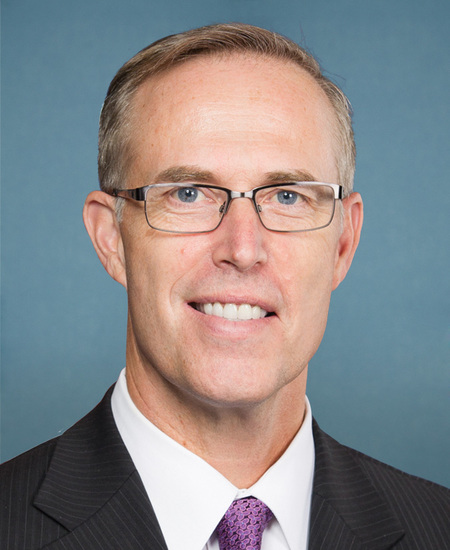
Rep. Jared Huffman
Sponsored bills
Maddy summaryThis resolution (HRES 1534) is a symbolic recognition of Outdoor Afro's 15th anniversary, commemorating its founding in 2009. It honors the organization's work connecting Black Americans with nature through activities like hiking, camping, and water safety programs (including its "Making Waves" initiative), though the resolution itself creates no new policies or funding. The House formally supports this milestone and commends Outdoor Afro's role in expanding access to outdoor recreation and reshaping representation in conservation.
Maddy summaryThe Coastal Restoration Act of 2024 establishes a federal Interagency Working Group to coordinate research, protection, and restoration of coastal blue carbon ecosystems, including mangroves, marshes, seagrass, and tidal wetlands that sequester carbon. The bill requires creating a national map and inventory of these ecosystems, assessing their carbon sequestration potential, vulnerability to climate impacts, and co-benefits like flood protection. It authorizes $15 million annually for fiscal years 2025-2029 to support pilot programs for ecosystem restoration, develop a Coastal Carbon Data Clearinghouse, and provide technical assistance to state, tribal, and local governments. The law mandates regular reports to Congress on progress, strategic planning for future investments, and assessments of how these ecosystems contribute to climate mitigation. These efforts will inform coastal management decisions, climate policy, and potential carbon credit markets while supporting ecosystem resilience.
Maddy summaryHR 9602, the Forest Legacy Management Flexibility Act, allows states to authorize qualified conservation organizations to acquire, hold, and manage conservation easements under the Forest Legacy Program. This directly affects states administering the program and conservation groups meeting specific criteria, such as IRS-defined conservation status and Land Trust Accreditation Commission accreditation. Key provisions let states approve these organizations to manage easements, require them to meet program standards, and mandate that easements revert to the state or another approved organization if the organization fails to meet responsibilities or modifies easements improperly. The bill updates the Cooperative Forestry Assistance Act to clarify these processes and accountability measures.
Maddy summaryThis bill raises the federal minimum wage to $15 per hour initially, with future increases tied to a "stability wage" calculated using average hourly earnings and cost-of-living adjustments (CPI). It modifies income tax brackets so that tax rates apply to income levels adjusted based on this stability wage calculation. The bill eliminates special minimum wage certificates for workers with disabilities and changes how earned income is counted for means-tested benefits. These changes would affect most workers, taxpayers across income levels, and individuals receiving government benefits based on income. The bill's provisions would take effect three months after enactment.
Maddy summaryHR 9821, the Forage Fish Conservation Act of 2024, amends the Magnuson-Stevens Fishery Conservation Act to establish a national definition for "forage fish" (small, schooling species like herring that support marine predators) and require fisheries management to protect their ecological role. It mandates that fishery councils assess annual catch limits based on the dietary needs of predators (such as tuna and marine mammals) and develop management plans for unmanaged forage fish species. The bill specifically directs immediate action to include river herring and shad in Atlantic fisheries management plans within 180 days. Implementation timelines include a 12-month definition deadline and 5-year phase-in for catch limit adjustments.
Maddy summaryThis bill eliminates a tax credit for using carbon dioxide (CO2) in enhanced oil recovery (EOR) operations. It amends the Internal Revenue Code by removing Section 43 (the EOR credit) and modifying Section 45Q to prohibit the credit for new facilities starting construction after the law's enactment. The primary effect is ending the federal tax incentive for oil companies that inject CO2 to extract more oil from existing wells. This change directly affects oil and gas companies planning new EOR projects using CO2, as they will no longer qualify for this specific tax credit.
Maddy summaryHR 9826, the San Pablo Bay National Wildlife Refuge Expansion Act of 2024, adds approximately 5,658 acres of land, marshes, tidal flats, and waterways in Marin, Sonoma, Napa, and Solano Counties, California, to the existing refuge. The bill authorizes the Secretary of the Interior to acquire these lands through purchase or donation from willing sellers (not through eminent domain) and requires using funding from the Land and Water Conservation Fund for acquisitions. It directs the refuge to prioritize public uses like wildlife observation, fishing, and environmental education while following existing refuge management laws. The bill also mandates public input from local communities during planning and requires the Fish and Wildlife Service to make the boundary map publicly available.
Maddy summaryHR 1657, the Lake Winnibigoshish Land Exchange Act of 2024, authorizes a direct land swap between Big Winnie Land and Timber, LLC (BWLT) and the U.S. government. It would transfer approximately 13.8 acres of federal land in Itasca County, Minnesota, to BWLT in exchange for 38 acres of private land owned by BWLT, which would then be added to the Chippewa National Forest. The exchange requires appraisals to ensure equal value, with a cash payment adjustment if needed - though the government waives payment if the private land is valued higher. The Secretary of Agriculture must complete the transfer within 180 days of BWLT’s offer, following specific appraisal standards and finalizing legal descriptions for public review.
Maddy summaryHCONRES 130 is a symbolic concurrent resolution commending state and local governments that treat reproductive rights as human rights following the *Dobbs* decision. It recognizes efforts by cities like Austin, Texas, and Montgomery County, Maryland, to expand abortion access and condemn criminalization of pregnancy outcomes. The resolution affirms that reproductive rights are human rights, urges states to repeal restrictive laws, and references U.S. obligations under international human rights treaties. As a non-binding resolution, it does not create new laws or alter existing policies.