

Maddy summaryThe ACE Act changes how federal education grants are calculated to better support schools in high-poverty areas. It phases out a current system that favored larger school districts by shifting to a formula based solely on the percentage of students from low-income families, starting in 2024. This directly benefits smaller school districts with high concentrations of economically disadvantaged students that were previously disadvantaged under the old dual-weighting system. The change aims to align funding more closely with congressional intent to direct more resources to schools serving the most economically disadvantaged students.
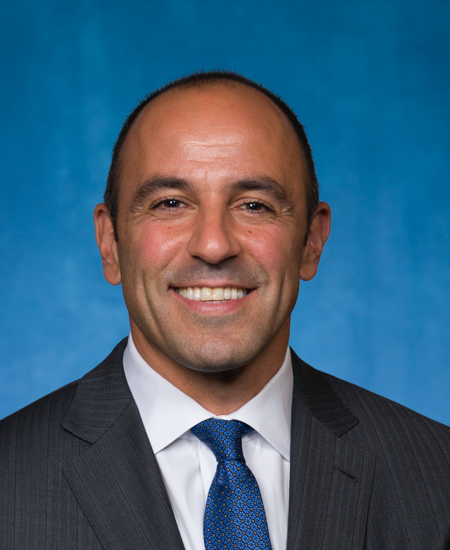
Rep. Jimmy Panetta
Sponsored bills
Maddy summaryHR 2768, the PFC Joseph P. Dwyer Peer Support Program Act, establishes a VA grant program to fund peer-to-peer mental health support for veterans. It provides up to $250,000 per grant to eligible nonprofits, veteran service organizations, or state/local Tribal agencies to create programs where veterans serve as peer specialists offering 24/7 nonclinical support. The program requires adherence to VA-developed standards for volunteer training and service delivery, while prohibiting the collection of veterans' personally identifying information. The bill authorizes $25 million over three years to implement this initiative, directly benefiting veterans seeking accessible mental health assistance through peer networks.
Maddy summaryThis bill, HR 1282 (Major Richard Star Act), expands benefits for certain military retirees by allowing them to receive both veterans' disability compensation and military retirement pay simultaneously. It specifically affects combat-related disabled retirees under Chapter 61 of the military retirement system who have fewer than 20 years of service. The key change removes the automatic reduction of military retirement pay when these retirees also receive disability compensation, as amended in Section 1413a(b)(3) of Title 10. Technical updates to the law’s structure and effective date (starting after enactment) complete the provisions.
Protecting Kids from Fentanyl Act of 2023 This bill permits the use of the Preventive Health and Health Services Block Grant to address fentanyl in educational institutions. Specifically, grant funds may be used to (1) purchase naloxone or other opioid overdose reversal drugs for educational institutions, (2) train school nurses and other personnel on how to administer them, and (3) provide fentanyl awareness classes or materials to students.
Maddy summaryThis bill requires the Committee on Foreign Investment in the United States (CFIUS) to review real estate transactions involving foreign adversaries (including China, Russia, Iran, and North Korea) near sensitive sites like military installations, ports, or critical infrastructure. It defines "elevated risk real estate transactions" as purchases or leases by foreign adversaries near such sites, creating a presumption that these deals pose unresolvable national security risks unless CFIUS explicitly approves them with evidence. The bill also adds food security considerations to CFIUS reviews and mandates declarations for these high-risk transactions. These changes aim to prevent foreign adversaries from gaining access to strategic U.S. land or infrastructure through real estate deals.
Maddy summaryThe American Food for American Schools Act of 2023 requires school meal programs (including lunch, breakfast, summer food, and child care programs) to prioritize purchasing domestic food products, defined as those produced, processed, or harvested in the United States. Schools may request waivers to buy foreign products for up to 5% of annual food costs per category if domestic options are unavailable in sufficient quantity or quality, and must notify parents annually about such purchases. The bill also mandates that suppliers of school food contracts comply with domestic purchasing rules, with penalties for noncompliance requiring reimbursement of federal funds used for foreign products. It increases funding for "Buy American" training programs and adds transparency requirements, including public reporting of waivers and noncompliance instances.
Maddy summaryHR 4631, the MilTax Awareness Act of 2023, requires the Secretary of Defense to provide active-duty military members with an annual notice about the MilTax program and other tax assistance services by March 1 each year. This notice must be delivered via mail, email, or in person to all members under a military department's jurisdiction. The bill also mandates a report to Congress within six months of enactment detailing participation rates in these tax programs. The law focuses solely on increasing awareness of existing tax resources, not changing tax rules or benefits.
Maddy summaryHR 4604, the Don Young American Grown Act, requires that cut flowers and cut greens displayed in public areas of Executive Office, State Department, and Defense Department buildings must be grown in the United States. This affects federal agencies by mandating U.S.-sourced decorative floral products for official displays, excluding personal use by employees. The bill defines "produced in the United States" to include all states, D.C., territories, and federally recognized tribal lands. It takes effect one year after enactment, with no impact on personal displays by federal staff.
Maddy summaryHR 4588, the Senator Paul Simon Study Abroad Program Act of 2023, renames and enhances the existing "IDEAS" grant program to increase U.S. student participation in study abroad. It authorizes $10 million annually to fund competitive grants for colleges and universities (especially minority-serving institutions and those with world language programs), requiring grantees to demonstrate plans for expanding access to underrepresented students, ensuring diversity in participation, and prioritizing study in developing countries. The bill sets a goal of 1 million U.S. undergraduates studying abroad annually within 10 years, with a focus on low-income students, students of color, and community college attendees who are currently underrepresented. It mandates annual reports to Congress on program implementation and requires grantees to maintain health/safety protocols for students abroad.
Maddy summaryHR 4579, the Fairness for Farm Workers Act, amends the Fair Labor Standards Act to establish phased overtime requirements for agricultural workers. Starting in 2024, most farm employers must pay overtime for hours worked beyond 55 per week (reducing to 50 in 2025, 45 in 2026, and 40 in 2027), with small farms (25 or fewer employees) getting a 3-year delay on the full 40-hour standard. The bill also removes existing exemptions that allowed some agricultural employers to avoid overtime pay for certain workers. This directly affects farm workers in agriculture and their employers, requiring compliance with standard overtime rules previously not applied to this sector.