

Maddy summaryHRES 771 is a non-binding resolution expressing the U.S. House of Representatives' support for Israel following Hamas' October 7, 2023, attack. It condemns Hamas' actions, affirms Israel's right to self-defense, and calls for the immediate release of hostages. The resolution also urges enforcement of existing laws restricting aid to terrorists and sanctions against Iran for supporting Hamas. It does not create new policies or allocate funds, as it is a symbolic statement of congressional support.
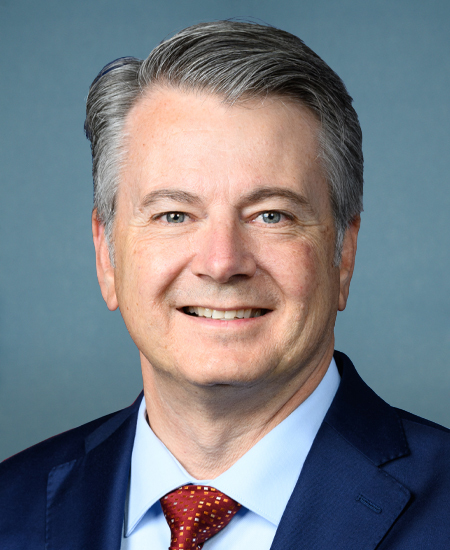
Rep. John S. Duarte
Sponsored bills
This resolution expresses unwavering support for Israel and a readiness to consider urgent requests for additional assistance to Israel to defend its people and sovereignty. The resolution also states that (1) Israel is entitled to act in self-defense against Hamas, the Palestinian Islamic Jihad, and associated forces, as well as their state sponsors; and (2) the cross-border attacks and kidnappings against Israel constitute acts of international terrorism and aggression.
Maddy summaryHRES 768 is a symbolic House Resolution expressing congressional support for Israel following Hamas' October 7, 2023 attacks. It condemns Hamas' actions, reaffirms Israel's right to self-defense, and calls for the immediate release of hostages. The resolution references the U.S. commitment to Israel's security through existing military aid programs, including the 2016 U.S.-Israel Memorandum of Understanding, and emphasizes enforcement of laws like the Taylor Force Act to prevent U.S. aid from reaching terrorist groups. As a symbolic resolution, it does not create new policy but serves as a statement of congressional support for Israel.
Maddy summaryHR 5929, the Permanently Authorizing PILT Act, makes the Payment in Lieu of Taxes (PILT) program permanent by changing federal law to require annual payments to local governments for every fiscal year, rather than limiting it to fiscal year 2019. This program compensates counties and local areas with significant federal land (like national forests or parks) for lost tax revenue they cannot collect from federal property. The bill directly affects local governments in 39 states that receive PILT payments, ensuring consistent funding without annual legislative renewals. It does not alter payment amounts or eligibility but removes the need for repeated annual authorizations.
Maddy summaryHJRES 11 proposes a constitutional amendment that would limit Members of Congress to serving a maximum of three terms in the House of Representatives and two terms in the Senate. If passed and ratified, it would prevent any member who has already served the maximum terms from running for re-election, including time spent filling vacancies (for more than one year in the House or three years in the Senate). This amendment directly affects current and future members of Congress by changing eligibility rules for re-election. The proposal is currently a joint resolution in the House, requiring ratification by three-fourths of state legislatures to become part of the Constitution.
Maddy summaryThis bill extends existing aviation programs and tax authorities through December 2023. It modifies deadlines for airport improvement grants (extending $842 million in funding for Q4 2023), unmanned aircraft regulations, FAA operations, and key tax collections like fuel and ticket taxes. These changes maintain current funding levels for airports, airlines, and FAA programs relying on the Airport and Airway Trust Fund. The bill does not create new programs but ensures continuity of existing authorizations. It directly affects airports receiving federal grants, airlines paying aviation taxes, and FAA operational activities.
Maddy summaryThis bill extends the funding period for the Distance Learning and Telemedicine Program from 2023 to 2028. It directly affects rural communities by ensuring continued access to telehealth services and educational programs through this existing federal initiative. The key provision is a simple amendment to the program's authorization date in existing law, without creating new requirements or altering the program's scope. The change ensures uninterrupted support for rural healthcare and education providers relying on this funding.
Maddy summaryThis bill creates a $75 million federal grant program to boost domestic sales of U.S.-grown specialty crops like fruits, vegetables, and nuts. It provides funding to eligible organizations (such as agricultural trade groups, cooperatives, or nonprofits) that develop marketing strategies to expand U.S. consumer demand for these products, requiring recipients to contribute at least 25% of the grant amount from their own funds. Grants cannot support foreign products or large for-profit corporations (except cooperatives or specific associations), and recipients must submit detailed marketing plans with measurable goals. The program requires annual reviews and audits to ensure funds are used effectively for domestic market development.
Maddy summaryHR 5664 amends the Water Infrastructure Finance and Innovation Act to improve access to funding for small communities (populations under 25,000) and rural water projects, including those serving tribal communities. The bill lowers the minimum project cost threshold from $5 million to $1 million, creates new technical assistance for small communities to develop project proposals, and clarifies eligibility for rural water projects under various federal laws. It introduces "collaborative project delivery methods" like design-build and construction management at-risk, and requires a study on these methods' implementation. The bill extends annual funding through 2027 with $68 million for EPA and $15 million for the Army Corps of Engineers.
Maddy summaryThe RNGR Support Act of 2023 provides federal funding and technical assistance to support tree nurseries and seed orchards focused on reforestation, restoration, and conservation. It authorizes $25 million annually (2024-2028) for grants to state forestry agencies, tribal nations, and qualified private nurseries to expand infrastructure, improve seedling production, develop workforce skills, and manage genetic resources. The bill requires the Forest Service to partner with agencies and tribes to share technical knowledge, address reforestation challenges, and promote climate-informed practices. This directly affects nurseries, seed orchards, and tribal entities working on reforestation projects across the U.S. and internationally.