

Maddy summaryHR 3713 creates federal grants to fund comprehensive school-based mental health programs for students in grades K-12, including those in Bureau of Indian Education schools. It requires partnerships between schools and community mental health providers to deliver trauma-informed, culturally appropriate services addressing suicide risk, grief, violence, and trauma exposure. The bill authorizes $300 million annually (2024-2027) for these programs, mandating privacy protections under HIPAA and FERPA, and requires annual reporting on program effectiveness.
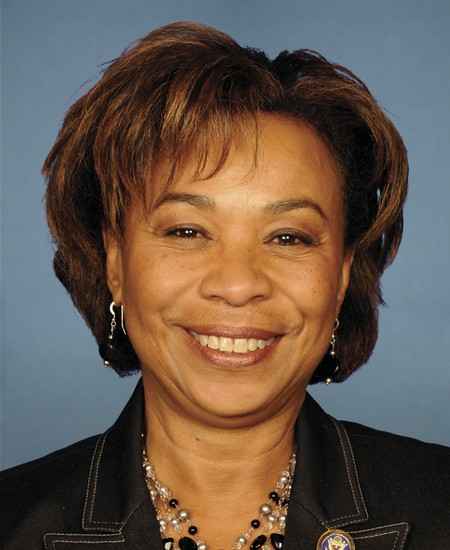
Rep. Barbara Lee
Sponsored bills
Maddy summaryHR 3680, the Stop Mental Health Stigma in Our Communities Act, targets mental health disparities affecting Asian American, Native Hawaiian, and Pacific Islander (AANHPI) communities. It requires the Health and Human Services Secretary to develop a national outreach strategy (Section 4) to create culturally appropriate mental health resources and reduce stigma, with annual reports on outcomes. The bill also mandates two studies: one on AANHPI youth mental health and suicide rates (Section 5), and another on AANHPI mental health workforce shortages (Section 6), both requiring disaggregated data by race, language, and other factors. Funding of $3 million annually (2024-2028) supports the strategy, while $1.5 million each funds the studies.
Maddy summaryThe Cady Housh and Gemesha Thomas Student Suicide Prevention Act of 2023 requires states to establish a policy mandating annual suicide prevention training for school staff and high school students (grades 9-12). The training must be evidence-based, cover recognizing suicide warning signs, appropriate responses, and referrals to mental health services, while including cultural competency. It allocates $48 million in federal funds, with at least 15% dedicated to supporting this training program, and requires states to collaborate with mental health experts. The bill directly affects school staff and high school students in states that adopt the policy and receive federal funding.
Maddy summaryHR 3660, the BOSS and SWIFT ACT of 2023, requires all ticket sellers (both primary sellers like venues and secondary marketplaces) to clearly display the total ticket cost - including base price and all mandatory fees - before purchase. It mandates itemized pricing showing base price separately from fees, prohibits hidden price changes during checkout, and ensures refunds for non-delivery (with options for full refund or replacement). The law also bans deceptive website designs that obscure pricing choices and restricts secondary marketplaces from using misleading domain names or hiding ticket ownership details. These rules apply to all ticket sales for events like concerts and sports, aiming to increase transparency for consumers.
Maddy summaryThis bill creates a new grant program under the Public Health Service Act to provide emergency funding for health care facilities during declared emergencies (like pandemics or natural disasters). It authorizes grants to public or private nonprofit health care facilities and home health agencies to pay hazardous duty compensation to eligible health care workers - such as nurses, medical technicians, and facility cleaners - performing essential on-site work. Grants can cover up to $13 per hour in hazard pay (capped at $25,000 annually per worker) or fund safety measures like personal protective equipment and alternative transit. The program requires the Secretary of Health and Human Services to determine if work or commutes are hazardous during emergencies.
Secure Testing Resources Instead of Prosecuting Act or the STRIP Act This bill exempts the possession, sale, or purchase of fentanyl drug testing equipment, including test strips, from criminal penalties under the Controlled Substances Act.
Maddy summaryThe Real Education and Access for Healthy Youth Act of 2023 would provide federal grants to support comprehensive sex education and sexual health services for young people ages 10-29, with specific focus on marginalized communities including Black, Indigenous, Latine, Asian American, Native Hawaiian, Pacific Islander, and LGBTQ+ youth. The bill authorizes $100 million annually for 2024-2029 to fund programs through grants for elementary/secondary schools (section 4), colleges (section 5), educator training (section 6), and youth-friendly sexual health services for marginalized young people (section 7). These programs must be evidence-informed, medically accurate, culturally responsive, age-appropriate, and trauma-informed, while addressing racial and gender inequities in current sex education approaches. The bill also repeals the "abstinence-only-until-marriage" program and redirects its funding to support this comprehensive approach, requiring grantees to report on implementation and impact.
This bill allows a new tax credit for a taxpayer's employment-related expenses necessary to care for a dependent who has attained age 50. Employment-related expenses include (1) expenses for household services; and (2) expenses for the care of the dependent, including respite care and hospice care. The expenses must be incurred to enable the taxpayer to be gainfully employed for any period for which there are one or more dependents that qualify for the credit. The bill limits the amount of such credit to $3,000 for the care of one dependent and $6,000 for the care of two or more dependents of the taxpayer in a taxable year.
Maddy summaryThis bill makes the adoption tax credit refundable, meaning adoptive parents who claim the credit can receive a cash refund even if they owe no federal income tax. Currently, the credit is non-refundable, so any excess credit beyond taxes owed is lost. The bill redesignates the credit in tax code (from section 23 to 36C), adds new requirements for third-party affidavits to verify adoptions, and applies to tax returns filed for 2024 and later. It directly affects adoptive parents who qualify for the credit but have no tax liability.
Reward Work Act This bill prohibits issuers from purchasing their own securities on a national exchange. The bill also requires one-third of an issuer's board of directors to be elected by employees in order for the issuer to be allowed to register securities.