

Maddy summaryThe Humane Cosmetics Act of 2023 bans cosmetic animal testing in the United States, prohibiting companies from conducting or contracting such testing after its enactment (effective 1 year later). It also bans selling or transporting cosmetics developed using animal testing conducted after that date within U.S. interstate commerce. The law directly affects cosmetic manufacturers, retailers, and suppliers operating in the U.S. market, requiring them to use non-animal testing methods for safety evaluations. Exceptions exist for foreign regulatory requirements or when no alternative testing methods are available for specific ingredients.
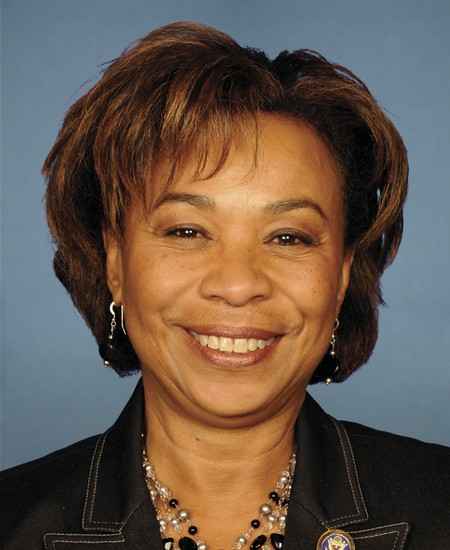
Rep. Barbara Lee
Sponsored bills
Maddy summaryThe No Tax Breaks for Union Busting Act would deny tax deductions for employers who attempt to influence employees' decisions about union activities, including unfair labor practices like firing workers for organizing or using captive audience meetings. It targets expenses related to union-busting tactics, such as consulting fees and other costs used to sway workers' opinions about collective bargaining. Employers would need to report these expenses on tax returns and would no longer be able to deduct them from taxable income. The bill aims to prevent employers from using tax-deductible expenses to influence union elections, aligning with existing rules that deny tax deductions for political spending. It would apply to expenses incurred in taxable years beginning 240 days after enactment.
Maddy summaryThe FABRIC Act amends the Fair Labor Standards Act to establish new protections for workers in the garment industry. It prohibits piece-rate pay, requiring employers to pay hourly wages that meet or exceed minimum wage standards, while allowing incentive bonuses. The bill creates joint liability for "brand guarantors" (brands that contract with garment manufacturers) for labor violations, and requires garment manufacturers and contractors to register with the Department of Labor, providing detailed business and employee information. The law also establishes an Undersecretary of the Garment Industry and a support program to fund workforce development and equipment for U.S. garment manufacturers. These provisions directly affect garment workers, manufacturers, contractors, and major fashion brands that contract with them.
Maddy summaryThe Green Ribbon Act of 2023 establishes a voluntary program to recognize schools and institutions meeting three environmental goals: graduating environmentally literate students, reducing emissions from buildings/operations, and achieving a net positive environmental impact on students and staff. It creates a federal award program where schools can earn recognition through State nominations, with $10 million authorized for fiscal years 2024-2029 to fund grants, honorariums ($10,000 per award), and technical assistance. The program directly affects K-12 schools, tribal schools, and institutions of higher education, requiring States to allocate at least 40% of grant funds to underresourced schools. Key provisions include updated criteria aligning with EPA and CDC health standards, annual reporting requirements, and a new Office of School Infrastructure within the Department of Education.
Maddy summaryHR 5442, the Drone Reform Act, requires all federal operations using armed drones to be conducted solely under the authority of the Department of Defense (DoD), ending the ability of other agencies (like the CIA or DHS) to operate them. It mandates that only uniformed U.S. military personnel can operate or fire weapons from armed drones. The bill clarifies that intelligence sharing with DoD remains unaffected and explicitly states it does not create new authority to kill individuals. This directly affects federal agencies previously authorized to use armed drones and military personnel who will now be the sole operators.
Maddy summaryHR 5433, the Child Care Stabilization Act, provides $16 billion annually from 2024 to 2028 to stabilize the child care sector through grants administered by the Health and Human Services Secretary. It directly affects licensed child care providers by offering stable funding to cover operating costs, while supporting higher wages for early educators without raising family fees. Key provisions include expanding access to high-quality, affordable care - especially for infants/toddlers, rural communities, and children with disabilities - and addressing shortages in underserved areas. The funding builds on existing American Rescue Plan resources, aiming to strengthen the child care workforce and increase available options for working families.
Maddy summaryHR 5428, the No Tax Breaks for Union Busting (NTBUB) Act, prevents employers from deducting certain expenses related to influencing workers' decisions about union representation. It targets spending on tactics like anti-union meetings, workplace surveillance, or consultants during organizing campaigns, making these costs non-deductible for tax purposes. Employers must report such expenses on their tax returns, including details about the activities and amounts spent. The bill aims to remove tax incentives for employer interference in union elections, aligning with federal labor law protections for workers' collective bargaining rights.
Maddy summaryHRES 492 is a congressional resolution condemning the Iranian government's systematic persecution of the Baha'i minority, which directly affects Baha'is in Iran facing arrests, property confiscation, and imprisonment. The resolution specifically calls for Iran to immediately release Baha'is detained for their faith, end state-sponsored hate propaganda against them, and reverse discriminatory policies denying equal access to education, employment, and religious freedom. It urges the U.S. President and Secretary of State to demand Iran’s compliance with international human rights treaties and to use existing sanctions authorities (under the 2010 and 2012 Iran sanctions laws) against officials responsible for these abuses. The resolution does not impose new legal requirements but serves as a formal U.S. government statement of condemnation and a call for diplomatic and sanctions action.
Maddy summaryThis bill requires federal agencies to acquire and maintain opioid overdose reversal kits (like naloxone) and train employees annually on their use, effective within 270 days of enactment. It mandates these actions for all federal agencies - including the Veterans Health Administration - while providing non-mandatory guidance to private employers on similar practices. The law directly affects federal workplaces by making kits and training a requirement, and indirectly encourages private employers to adopt similar safety measures. Key provisions include a 270-day deadline for the Labor Department to issue regulations for federal agencies and non-binding guidance for other employers. The bill focuses on practical workplace safety measures without altering existing federal health or safety laws.
EITC Modernization Act This bill extends the earned income tax credit to taxpayers with certain dependents, including children and aged dependents, and to qualifying students. It also establishes a matching grant program for tax return preparation assistance for low-income taxpayers.