

Maddy summaryHR 590, the Ensuring Kids Have Access to Medically Necessary Dental Care Act, prohibits states from imposing lifetime or annual dollar limits on dental benefits for low-income children and pregnant women covered by the Children's Health Insurance Program (CHIP). It requires states to provide dental-only supplemental coverage for eligible children (rather than allowing states to opt out) and removes restrictions on coverage for pregnancy-related dental services. These changes apply to all states operating CHIP and cover targeted low-income children (and pregnant women in states that offer pregnancy-related assistance under CHIP). The bill takes effect six months after enactment to ensure continuous access to necessary dental care without coverage caps.
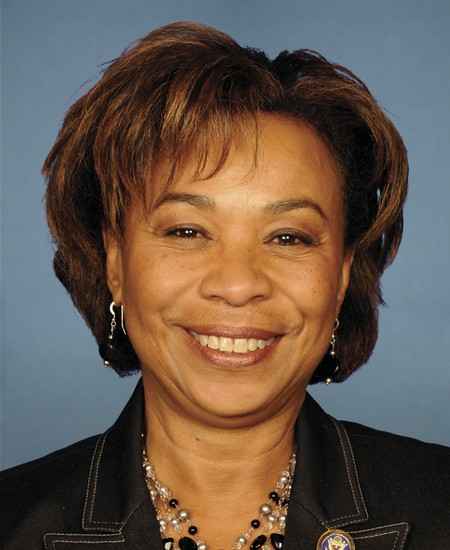
Rep. Barbara Lee
Sponsored bills
Maddy summaryThe HEAL Act (HR 603) requires the U.S. Holocaust Memorial Museum Director to study how public elementary and secondary schools teach about the Holocaust and related antisemitism. The study will examine curriculum requirements, teaching methods (like project-based learning), instructional materials, and assessment approaches across states and school districts. It specifically analyzes whether Holocaust education is mandatory, optional, or integrated across subjects, and how schools address antisemitism and genocide prevention. The resulting report, due within 180 days of the study or three years after enactment, will inform Congress but does not change current school policies. This is a data-gathering measure, not a policy mandate.
HHS Reproductive and Sexual Health Ombuds Act of 2023 This bill creates a position within the Department of Health and Human Services to support access to reproductive and sexual health services (including services relating to pregnancy and the termination of a pregnancy) that are evidence-based and medically accurate. Functions of the position include (1) educating the public about medication abortions and other sexual and reproductive health services, (2) collecting and analyzing data about consumer access to and health insurance coverage for those services, and (3) coordinating with the Federal Trade Commission on issues related to consumer protection and data privacy for those services.
Maddy summaryHCONRES 7 is a symbolic resolution passed by the U.S. House of Representatives that commends Iranian protesters - particularly women - who have risked safety to demonstrate against the Iranian regime's human rights abuses, including the mandatory hijab law and violent crackdowns following Mahsa Amini's death. It condemns the regime's use of violence (reportedly killing over 450 protesters) and detention of activists, while urging the Biden Administration to impose additional human rights sanctions on officials involved in repression and support internet freedom tools to bypass Iranian censorship. The resolution makes no binding policy changes but formally expresses congressional support for protesters' demands for freedom, justice, and an end to discriminatory laws targeting women. It does not directly affect any U.S. laws or policies but serves as a statement of U.S. position.
Maddy summaryThis bill requires all ammunition sales to occur in person with identity verification, banning online or mail-order purchases for unlicensed individuals. It adds new licensing requirements for ammunition dealers and modifies existing firearm laws to explicitly include ammunition in sales, shipping, and recordkeeping rules. Licensees must report bulk sales of over 1,000 rounds to unlicensed buyers within one business day. The law directly affects ammunition sellers (both licensed and unlicensed) and buyers, making online ammunition transactions impossible without in-person verification.
Maddy summaryThis bill adjusts federal employee pay rates for 2024. It increases basic pay for all federal workers under statutory pay systems and prevailing rate systems by 4.7%, and raises locality pay adjustments by 4.0%. These changes directly affect all federal employees covered by the specified pay systems, including those in wage areas and under sections 5348/5349 of Title 5. The bill implements these raises without altering existing pay system structures or requirements.
Identifying Mass Shooters Act This bill requires the National Institute of Justice (NIJ) to report to Congress on the content patterns used by mass shooters through online platforms and social media channels. Additionally, the bill directs the NIJ to solicit applications for research grants on any items for further study that are identified in the report. Finally, the bill requires the NIJ to submit findings and federal legislative recommendations to Congress.
Maddy summaryHRES 49 is a symbolic House resolution recognizing the cultural and historical significance of Lunar New Year in 2023. It formally acknowledges Lunar New Year's origins in China over 4,000 years ago, its celebration across East and Southeast Asia (including the Year of the Rabbit in Chinese tradition and Year of the Cat in Vietnamese tradition), and its observance by millions of Asian Americans and others in the U.S. The resolution expresses respect for Asian Americans and all global communities celebrating this holiday and extends well-wishes for a prosperous new year. As a ceremonial resolution, it has no legal effect or policy changes - it solely serves to affirm cultural recognition.
Maddy summaryHR 430, the Lunar New Year Day Act, would designate the Lunar New Year as a federal holiday by adding it to the official list of holidays observed by federal employees. This change would require federal offices to close and federal employees to receive a paid day off on the actual date of the Lunar New Year each year. The holiday would be observed annually on the date the Lunar New Year falls, which varies yearly based on the lunar calendar. This bill directly affects federal workers and operations, aligning with existing federal holiday practices.
Maddy summaryHR 286, the Health Care Providers Safety Act of 2023, provides federal grants to healthcare providers to improve security at their facilities. The bill authorizes the Secretary to fund security services and physical/cyber security enhancements, including video surveillance, data privacy measures, and structural improvements. These grants directly help healthcare facilities, personnel, and patients by addressing safety concerns. The law specifies that funds must be used for necessary security costs to ensure safe access to healthcare services. It does not create new mandates but offers financial support for security upgrades.