

Maddy summaryThe SMOKE Act establishes new federal workplace safety standards to protect employees from wildfire smoke exposure. It requires employers to monitor PM2.5 air quality (AQI ≥151), implement engineering controls (like filtered buildings), provide respirators, and communicate risks when smoke levels are hazardous. Employees at risk of health harm from smoke can take up to 12 weeks of unpaid leave per year, with job protection upon return. The law excludes emergency responders and workplaces with certified filtered air systems (e.g., closed vehicles or buildings with filtered ventilation). OSHA must finalize these standards within 42 months of enactment.
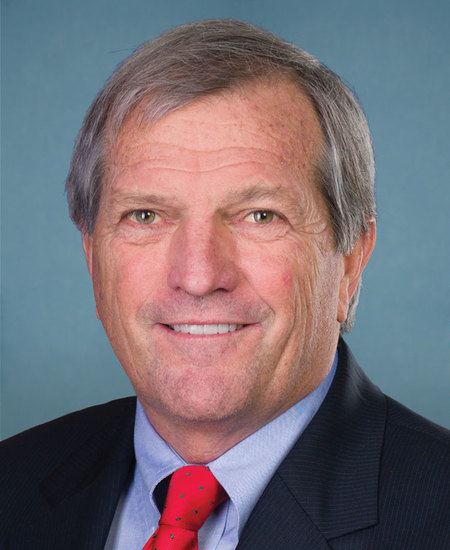
Rep. Mark DeSaulnier
Sponsored bills
Maddy summaryHR 6172, the AMMO Act, requires federal firearms licensees (dealers/manufacturers) to implement new rules for selling ammunition to non-licensed buyers. It prohibits transfers exceeding 100 rounds of .50 caliber or 1,000 rounds of other calibers within any 5-day period and mandates written certification from buyers confirming they haven’t exceeded these limits. Licensees must also conduct background checks through the National Instant Criminal Background Check System (NICS) before selling ammunition to non-licensed individuals, similar to firearm sales. The bill includes recordkeeping, signage, and reporting requirements for violations, with penalties including fines up to $250,000 for licensees and $50,000 for buyers making false statements.
Maddy summaryThis bill, the PROTECT Act, creates a federal initiative focused on reducing youth and young adult e-cigarette use. It directs the CDC to conduct research on youth e-cigarette use patterns, marketing, health impacts, and effective prevention strategies, while developing guidance for healthcare providers and schools. The initiative also mandates a public education campaign about e-cigarette risks and allocates $100 million annually (2024-2028) to fund state programs targeting youth tobacco prevention and cessation services. It directly affects youth and young adults (ages 13-24), healthcare systems, schools, and state health departments through these research, education, and funding mechanisms.
Maddy summaryHR 5976, the Youth Mental Health Research Act, establishes a new NIH research initiative led by the National Institute of Mental Health. The bill directs collaboration between three NIH institutes to coordinate research on youth mental health, focusing specifically on building community resilience for at-risk youth and improving how mental health services reach young people in schools, communities, and other settings where they live and work. It authorizes $100 million annually for fiscal years 2024 through 2028 to fund this research. The bill does not create direct services but aims to generate evidence to inform future mental health support strategies for young people.
Maddy summaryHRES 831 is a symbolic congressional resolution supporting October as "National Domestic Violence Awareness Month." It does not create new laws or allocate funding, but formally expresses the House of Representatives' support for the goals of raising awareness about domestic violence. The resolution urges Congress to continue highlighting domestic violence's impact and backing programs that prevent and address it. It directly affects public awareness efforts and serves as a non-binding statement of congressional support for victims and advocacy organizations.
Maddy summaryThis bill updates legal terminology in District of Columbia court codes to replace outdated and potentially stigmatizing terms. It specifically replaces "substantially retarded persons" and similar phrases with "persons with moderate intellectual disabilities" in three sections covering U.S. District Court, Superior Court, and Family Court jurisdiction. The change directly affects how DC courts formally reference individuals in legal contexts, aligning terminology with current standards. It is a purely procedural update to court codes with no new policy or funding provisions. The bill does not alter eligibility, rights, or court procedures - only the language used in the legal text.
Maddy summaryHR 5983, the Clean Water Act of 2023, redefines "protected water resources" under federal law to explicitly include all interstate and intrastate waters (such as intermittent and ephemeral streams), wetlands, and their tributaries. This directly affects federal agencies like the EPA, states managing water quality, and developers or landowners needing permits for activities near these waters. The bill eliminates the Supreme Court’s narrow "navigable waters" definition from Sackett v. EPA (2023), restoring protections for tens of millions of acres of wetlands and millions of miles of small streams. Key mechanisms require the EPA to annually review and adjust exclusions from protections based on scientific evidence, ensuring water bodies critical to drinking water, flood control, and ecosystems remain safeguarded.
Maddy summaryHRES 819 is a symbolic resolution recognizing the 5-year anniversary of the October 27, 2018, antisemitic attack at Pittsburgh’s Tree of Life Synagogue, which killed 11 people. It condemns antisemitism and references rising hate incidents, including the Anti-Defamation League’s 2022 report of record antisemitic activity (3,697 incidents). The resolution honors the victims, expresses solidarity with affected Jewish communities, and reaffirms the U.S. commitment to combatting hate and protecting religious freedom. As a procedural resolution (not a law), it has no binding effect but serves as a formal statement of congressional stance.
Maddy summaryThis bill restores federal student loans for graduate and professional students by temporarily reinstating eligibility for Federal Direct Stafford Loans, which was previously terminated. It applies directly to graduate students who were excluded from these loans, preventing them from accumulating additional debt. The change is temporary, ending on or before June 30, 2023, and modifies specific provisions of the Higher Education Act without requiring additional rulemaking.
Maddy summaryHR 6067, the Early Childhood Nutrition Improvement Act, amends the National School Lunch Act to improve nutrition programs for young children in child care settings. It requires annual eligibility reviews for proprietary child care centers (Section 2) and directs the Secretary to streamline the "serious deficiency" process, clarifying what constitutes serious noncompliance versus minor errors and establishing formal appeals procedures (Section 3). The bill also adjusts meal reimbursement limits for child care programs and mandates a study on third-meal reimbursement, while creating an advisory committee to reduce paperwork burdens for child care centers, family day care homes, and parents (Sections 4, 6). These changes aim to modernize program administration, reduce administrative complexity, and ensure fairer treatment for participating providers and families.