

Maddy summary# Summary of Proposed Workplace Discrimination and Harassment Prevention Bill This comprehensive legislative proposal aims to strengthen protections against workplace discrimination and harassment through multiple interconnected provisions: 1. **Expanded Protections**: Broadens coverage to include sexual orientation, gender identity, and other protected categories in workplace discrimination laws. 2. **Nondisclosure Agreement Restrictions**: Prohibits employers from requiring nondisclosure or nondisparagement clauses that would prevent workers from reporting harassment or discrimination, with limited exceptions for settlement agreements meeting specific requirements. 3. **Arbitration Prohibition**: Bans mandatory pre-dispute arbitration agreements for work-related disputes and imposes strict requirements for post-dispute agreements. 4. **Federal Contractor Requirements**: Mandates that federal contractors disclose labor and civil rights violations from the previous three years and requires corrective actions for violations. 5. **Grant Programs**: - National grants to prevent and address workplace discrimination through education, outreach, and complaint assistance - Grants for legal assistance to low-income workers facing employment discrimination - State-level advocacy systems with funding allotments to support worker rights protection 6. **Enforcement Mechanisms**: Establishes clear enforcement procedures, with the Equal Employment Opportunity Commission (EEOC) having authority to enforce these provisions with powers similar to those under existing civil rights laws. The bill also includes definitions, implementation details, and provisions for state and federal coordination to create a comprehensive system for preventing and addressing workplace discrimination and harassment across all sectors of employment.
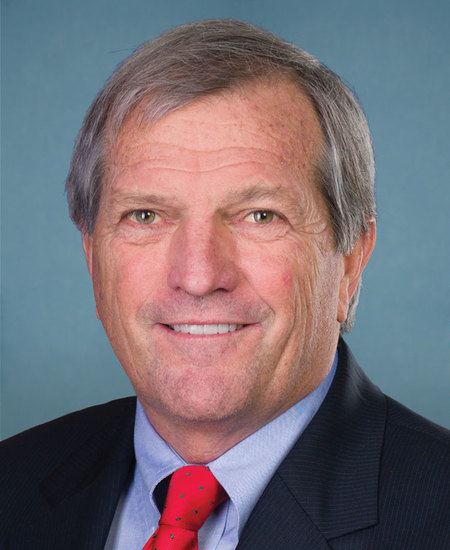
Rep. Mark DeSaulnier
Sponsored bills
Maddy summaryHR 9196, the Pregnancy Empowerment Act of 2024, prohibits states from delaying or denying divorce petitions solely because a person is pregnant. This directly affects pregnant individuals - particularly women of color and those experiencing intimate partner violence - who face barriers to finalizing divorces during pregnancy, trapping them in abusive relationships. The bill mandates that states cannot consider pregnancy status when processing divorce filings, addressing findings that such delays increase risks of violence and reproductive coercion. It aims to remove legal obstacles that prevent pregnant people from accessing divorce, a critical step for safety and autonomy.
Maddy summaryThis bill expands the boundary of the Golden Gate National Recreation Area to include specific lands shown on a July 2024 map titled "Golden Gate National Recreation Area Proposed Boundary Addition" (map #641/193973). It directly affects the management of the recreation area by adding these newly designated lands to its existing boundaries. The key mechanism is a technical amendment to existing law, incorporating the map's depiction of the proposed addition without altering park management policies or creating new regulations.
Maddy summaryHR 9223, the Nondebtor Release Prohibition Act of 2024, prohibits bankruptcy courts from approving plan provisions that release non-debtor entities (like other companies or individuals) from liability for claims against them. It specifically blocks courts from discharging, releasing, or modifying liabilities of entities other than the debtor or estate, and limits stays on lawsuits against non-debtors to 90 days without the affected party's explicit consent. This bill directly affects creditors and third parties who might otherwise be shielded from liability through bankruptcy proceedings. The law amends Chapter 11 of the U.S. Bankruptcy Code to clarify that courts cannot create authority for nondebtor releases or extended stays, applying to all pending or future bankruptcy cases.
Maddy summaryThe LET'S Protect Workers Act increases civil penalties for employers who violate labor and workplace safety laws. It significantly raises fines for child labor violations (up to $700,000 for serious injuries/deaths), wage and hour violations (up to $50,000 per violation for repeated/willful violations), and workplace safety violations (up to $800,000). The bill also increases penalties for farmworker protections (to $30,000), mine safety violations, and unfair labor practices (up to $100,000). New provisions require employers to pay penalties, with withdrawal orders for mines that fail to pay fines. These changes apply to violations occurring on or after January 1, 2025, with some provisions taking effect immediately.
Maddy summaryThe Federal Prison Oversight Act establishes a new inspections regime for federal prisons, requiring the Justice Department's Inspector General to conduct regular assessments of Bureau of Prisons facilities. These inspections will evaluate conditions of confinement, medical care, staffing levels, safety protocols, and policies related to visitation and programming. The bill also creates a new Ombudsman position within the Department of Justice to receive and address complaints from incarcerated people, their families, and staff about health, safety, and rights concerns. The Inspector General must submit public reports with recommendations, and the Bureau must respond with corrective action plans within 60 days. The law includes protections against retaliation for those filing complaints and requires the Bureau to provide multiple confidential channels for submitting complaints.
Maddy summaryH.J. Res. 193 proposes a constitutional amendment to eliminate legal immunity for federal officials, including the President, from criminal prosecution for actions taken while performing official duties. It also prohibits the President from granting a pardon to themselves. The amendment would apply to all federal officers (such as the President, Vice President, and members of Congress) except for Congress members acting in their legislative role as defined in the Constitution. If ratified by 38 states, this change would become part of the U.S. Constitution, requiring no further congressional action.
Maddy summaryHRES 1381 is a symbolic resolution that commemorates the United States Olympic and Paralympic Teams' historical achievements, including over 5,300 total medals across past Games. It expresses congressional support for U.S. athletes competing in the 2024 Summer Olympics and Paralympics in Paris, France, and commends the Government of France for hosting the events. The resolution also commits to ensuring a safe environment for the 2028 Los Angeles Olympic and Paralympic Games. As a non-binding expression of support, it does not create new laws or allocate funds.
Maddy summaryHRES 1375 is a non-binding resolution recognizing extreme weather as a critical threat to children's health and well-being, emphasizing that children face unique vulnerabilities due to their developing bodies, higher exposure to pollutants, and heightened risks during events like heatwaves, wildfires, and poor air quality. It expresses Congress's view that solutions must be developed and deployed rapidly and equitably, with specific attention to children's physical and mental health needs. The resolution suggests concrete measures such as improved air filtration in schools, accessible public alerts for extreme heat, expanded cooling centers, and better infrastructure for child-friendly emergency spaces, though it does not create new laws or mandates.
Maddy summaryThe BRAIN Act (HR 9113) establishes new research networks and funding mechanisms to advance brain tumor treatment and care. It requires the NIH to create a searchable database of brain tumor biospecimens, authorizes $50 million annually for a Glioblastoma Therapeutics Network, and allocates $10 million yearly for CAR-T cell therapy research. The bill also mandates a national awareness campaign about clinical trials and biomarker testing, and funds pilot programs to improve long-term care for brain tumor survivors. These provisions directly affect researchers, patients, healthcare providers, and survivors, with funding allocated for fiscal years 2026 through 2030.