

Maddy summaryHR 3433, the "Give Kids a Chance Act of 2024," requires pharmaceutical companies developing certain cancer drugs to conduct pediatric studies if the drugs target molecular pathways relevant to childhood cancers. It directly affects drug manufacturers submitting new applications for cancer treatments, particularly those combining previously approved adult cancer drugs or containing a single new active ingredient. The bill amends FDA regulations to mandate these pediatric investigations only when specific conditions are met, such as when a drug's molecular target is relevant to pediatric cancer growth. The FDA must issue implementing guidance within 12 months, and reports to Congress will track implementation and effectiveness starting 2 years after enactment.
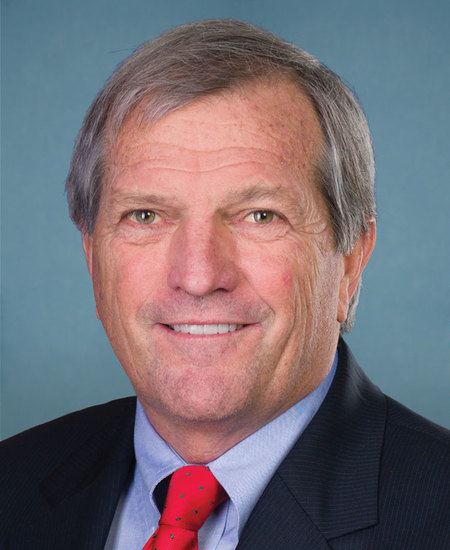
Rep. Mark DeSaulnier
Sponsored bills
Maddy summaryThis bill prohibits hospitals and transplant centers from denying organ transplants or related services to people with disabilities solely because of their disability. It requires covered entities to make reasonable modifications to policies (like considering a patient's support network for post-transplant care) and provide auxiliary aids (such as communication services or accessible health information). The law specifically prevents discrimination based on disability during evaluation, listing, and treatment, while clarifying that medical decisions must be based on individualized assessments - not disability alone. It applies to all organ transplant processes and allows individuals to file complaints with the Department of Health and Human Services or sue for violations.
Maddy summaryThe Student Food Security Act of 2024 would expand eligibility for the Supplemental Nutrition Assistance Program (SNAP) to include college students at institutions of higher education who meet specific financial criteria, such as having a student aid index of 0 or being eligible for a Federal Pell Grant. It requires the USDA to develop a strategy to increase awareness of SNAP eligibility among students and creates a demonstration program testing new ways for students to use SNAP benefits on campus, including purchasing prepared food at campus dining facilities. The bill authorizes $1 billion in grants over seven years to colleges to develop programs addressing students' basic needs like food and housing insecurity, with priority given to community colleges and institutions with high numbers of Pell Grant recipients. This legislation would directly affect college students, particularly those from low-income backgrounds, and institutions of higher education that would receive funding to support student basic needs.
Maddy summaryHRES 1473 is a non-binding resolution passed by the U.S. House of Representatives that condemns racism, bigotry, and misinformation targeting Haitian people and their descendants. It celebrates the historical contributions of Haitian Americans to U.S. society, including founding cities (like Chicago via Jean Baptiste Point du Sable), advancing civil rights (W.E.B. Du Bois), and enriching healthcare, education, and culture. The resolution specifically calls on all Americans to reject racist tropes and misinformation, and urges elected officials to promote inclusivity and responsible communication. It was introduced in response to recent false claims that fueled threats against Haitian communities, such as the bomb threats in Springfield, Ohio.
Maddy summaryThe Jobs for a Carbon Free Transportation System Act establishes a federal grant program to fund "low carbon corridors" that connect different transportation systems (like public transit, rail, and roadways) to reduce emissions and improve infrastructure. It creates a value capture system where increased property tax revenues from development near transit hubs can finance transportation improvements, and it includes a worker transition program to help fossil fuel industry workers move to sustainable jobs with training, job guarantees, and support services. The bill requires projects to follow labor standards and prioritize American-made products, while allowing some flexibility for waivers. It directly affects state and local governments, tribal entities, and workers in fossil fuel industries transitioning to clean energy sectors, aiming to simultaneously reduce carbon emissions, improve transportation infrastructure, and support workers during the clean energy transition.
Maddy summaryHRES 1468 is a non-binding resolution recognizing the significant pay disparity faced by disabled women in the U.S. workforce. It cites data showing disabled women earn, on average, 50 cents for every dollar earned by nondisabled men, with even starker gaps for disabled women of color (e.g., 44 cents for disabled Latinas). The resolution highlights systemic barriers like occupational segregation, the subminimum wage, and lack of support services contributing to these inequities. It does not create new laws or affect any group directly, but formally acknowledges these disparities and reaffirms the House’s commitment to addressing wage gaps. This is a symbolic recognition, not a policy change.
Maddy summaryThis bill directs the U.S. government to immediately restore funding to the United Nations Relief and Works Agency for Palestine Refugees (UNRWA), reversing a temporary funding pause. It repeals two appropriations acts that halted payments and requires the Secretary of State to resume UNRWA funding under existing authorities. The legislation specifically aims to support UNRWA’s critical humanitarian work - providing shelter, education, healthcare, and aid to Palestinian refugees across Gaza, the West Bank, Syria, Lebanon, and Jordan - during an acute famine risk in Gaza. It also mandates quarterly reports to Congress on UNRWA’s implementation of reforms from an independent review, ensuring accountability for its humanitarian mission.
Maddy summaryHR 9651, the Protecting Workers for a Clean Future Act, creates a federal grant program for local and Tribal governments to develop transition plans helping workers move from fossil fuel jobs to sustainable industries like renewable energy and electric vehicles. The grants fund job training, apprenticeships, and support services such as childcare and career counseling to assist displaced workers, including supplemental funding for retirement bridges or wage insurance. If workers aren’t successfully transitioned through these plans, the bill establishes a National Employment Corps to provide direct job guarantees with a $15 minimum wage, benefits, and wrap-around services like transportation and job preparation. The program requires collaboration with community stakeholders - including labor groups, environmental justice organizations, and industry leaders - to ensure equitable transitions in areas with high fossil fuel employment. It emphasizes concrete support for workers and communities affected by the shift from traditional energy to clean energy.
Maddy summaryHRES 1443 is a non-binding resolution expressing the House of Representatives' support for universal access to high-quality, affordable child care and early education for all young children and families. It highlights that current child care costs consume 14% of middle-income families' income (vs. a recommended 7%) and that 50% of U.S. families live in areas with insufficient child care options ("child care deserts"). The resolution calls for future legislation to ensure no family pays more than 7% of income for care, expand access during non-traditional hours, guarantee workforce pay parity with K-12 educators, and fund infrastructure upgrades. It does not create new programs but urges the House to prioritize comprehensive child care reform.
Maddy summaryHRES 1448 is a non-binding House resolution stating that the House believes every person has the right to emergency health care, including abortion care, during medical emergencies. It specifically addresses concerns that abortion restrictions force medical providers to choose between treating patients in life-threatening situations or risking criminal charges. The resolution highlights that such restrictions disproportionately harm Black, Indigenous, people of color, immigrants, low-income individuals, and LGBTQI+ patients. It does not change existing laws but expresses congressional support for ensuring access to emergency care without legal barriers. The resolution was introduced by multiple House members and referred to the Energy and Commerce Committee.