

State-Based Universal Health Care Act of 20 21 This bill establishes the option for states, or groups of states, to apply to waive certain federal health insurance requirements and provide residents with health insurance benefits plans through a state-administered program. Such programs must cover 95% of the residents in the state within five years and plan benefits must be at least as comprehensive and affordable as the coverage under the equivalent federal program. State programs are supported with funds from the federal programs the state programs replace, which may include Medicare, Medicaid, the Children's Health Insurance Program, the Federal Employee Health Benefits program, certain federal tax credits, and premium-assistance funds, among others. The bill requires the Department of Health and Human Services to appoint an Independent Assessment Panel for Comprehensive Care to review and recommend whether to approve state applications. Each approved state program must be independently reviewed every five years to evaluate changes in health benefits access, quality, and coverage, including whether the state has met the 95% coverage requirement. The federal government must pay all health insurance costs for American Indians and Alaska Natives who enroll in a plan through a state insurance program.
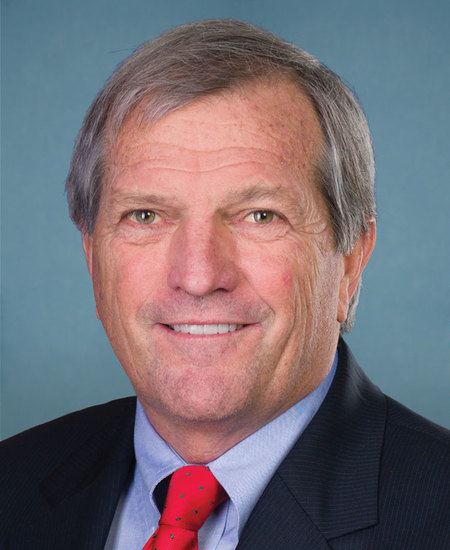
Rep. Mark DeSaulnier
Sponsored bills
FAIR Leave Act or the Fair Access for Individuals to Receive Leave Act This bill repeals the limit on the aggregate number of workweeks of family and medical leave that spouses employed by the same employer may be entitled to during any 12-month period. The current limit is 12 aggregate workweeks.
Paycheck Fairness Act This bill addresses wage discrimination on the basis of sex, which is defined to include pregnancy, sexual orientation, gender identity, and sex characteristics. Specifically, it limits an employer's defense that a pay differential is based on a factor other than sex to only bona fide job-related factors in wage discrimination claims, enhances nonretaliation prohibitions, and makes it unlawful to require an employee to sign a contract or waiver prohibiting the employee from disclosing information about the employee's wages. The bill also increases civil penalties for violations of equal pay provisions. Additionally, the Equal Employment Opportunity Commission (EEOC) and the Office of Federal Contract Compliance Programs must train EEOC employees and other affected parties on wage discrimination. The bill directs the Department of Labor to (1) establish and carry out a grant program to provide training in negotiation skills related to compensation and equitable working conditions, (2) conduct studies to eliminate pay disparities between men and women, and (3) make available information on wage discrimination to assist the public in understanding and addressing such discrimination. The bill establishes the National Award for Pay Equity in the Workplace for an employer who has made a substantial effort to eliminate pay disparities between men and women. It also establishes the National Equal Pay Enforcement Task Force to address compliance, public education, and enforcement of equal pay laws. Finally, the bill requires the EEOC to issue regulations for collecting from employers compensation and other employment data according to the sex, race, and national origin of employees for use in enforcing laws prohibiting pay discrimination.
Americans Giving Care to Elders (AGE) Act of 2021 This bill allows a tax credit for a portion of a taxpayer's expenses for eldercare. The credit applies to expenses to care for certain relatives or members of the taxpayer's household who have attained the age of 60 and require assistance with activities of daily living. Eldercare expense include amounts paid for: medical care, lodging away from home, adult day services, personal care, respite care, assistive technologies and devices (including remote health monitoring), environmental modifications (including home modifications), and counseling or training for a caregiver. The amount of eldercare expenses incurred during any year that may be taken into account for the credit may not exceed $6,000.
Armed Forces Transgender Dependent Protection Act This bill expands the policy of the Office of Special Needs within the Department of Defense to address transgender dependents. Specifically, the bill codifies the definition of a medical or educational special need to include gender dysphoria. Under the bill, the policy of the office must prohibit the assignment of a military family with special needs to a permanent duty location where the law restricts medically necessary treatment for a medical or educational special need. A member who is serving at a location when such a law is established may elect to be reassigned.
Connecting Opportunities through Mobility Metrics and Unlocking Transportation Efficiencies Act or the COMMUTE Act This bill directs the Department of Transportation to establish an accessibility data pilot program. The purpose of the pilot program is to develop or procure an accessibility data set and make such data available for states and metropolitan or rural planning organizations to improve their transportation planning by measuring the level of access to important destinations such as jobs, health care facilities, child care services, educational and workforce training facilities, affordable housing, and food sources; disaggregating the level of access by multiple transportation modes by a variety of population categories, including minority populations; assessing the change in accessibility that would result from new transportation investments; and providing data necessary to prioritize transportation investments that will improve access by all modes of travel.
Algorithmic Justice and Online Platform Transparency Act This bill establishes requirements for certain commercial online platforms (e.g., social media sites) that withhold or promote content through algorithms and related computational processes that use personal information. The platforms must make disclosures about their collection and use of personal information and their content moderation practices; retain specified records that describe how the algorithms use personal information and assess whether the algorithms produce disparate outcomes based on race and other demographic factors in terms of access to housing, employment, financial services, and related matters; employ algorithms safely and effectively; and allow users to access and transfer their personal information. If a platform uses algorithms to publish or sell advertising, it must maintain a library of the advertisements. The Federal Trade Commission must also adopt rules concerning deceptive advertising. A platform's chief executive officer or other senior officer must certify compliance with disclosure requirements. Additionally, platforms may not (1) employ algorithms or other design features that result in discrimination or similar harms based on demographic or biometric factors, or (2) process information such that it impairs voting rights. Further, users of a platform may not violate civil rights laws using the platform's algorithms. The bill prohibits waivers or other methods that limit rights under the bill; provides whistleblower protections for individuals who report violations; and authorizes enforcement by specified federal agencies, states, and private individuals. The bill also provides funding for an interagency task force to study the discriminatory use of personal information by platforms' algorithms.
Social Media Disclosure And Transparency of Advertisements Act of 2021 or the Social Media DATA Act This bill requires consumer-facing websites and mobile applications with a large number of users to maintain advertisement libraries and make them available to academic researchers and the Federal Trade Commission (FTC). Each library must include, among other things, a digital copy of the advertisement content, a description of the target audience, and the number of views generated from the advertisement. The FTC and state attorneys general are authorized to enforce these requirements, and the FTC must use information from the advertisement libraries to enforce other laws within its jurisdiction. Additionally, the bill establishes a working group to address social media research access and make policy recommendations with respect to the information an interactive computer service (e.g., a social media company) should make available to academic researchers.
Army Security Agency Monument Act This bill directs the Department of the Army to place in Arlington National Cemetery a monument honoring Army Security Agency veterans if the National Army Security Agency Association agrees to certain requirements, including that the association pay the monument's site preparation, construction, and maintenance costs.
United States Army Rangers Veterans of World War II Congressional Gold Medal Act This bill provides for the award of a single Congressional Gold Medal to the U.S. Army Rangers Veterans of World War II in recognition of their dedicated service during World War II.