

Preventing Opportunities for Teen E-Cigarette and Tobacco Addiction Act or the PROTECT Act This bill requires the Centers for Disease Control and Prevention (CDC) to develop a strategy and carry out a specific initiative to prevent and reduce the use of electronic cigarettes and emerging tobacco products among youth and young adults. As part of the initiative, the CDC must conduct research and surveillance on types of products, patterns of use, health impacts, and other aspects of the use of such products by youth and young adults; evaluate prevention and intervention strategies and develop guidance for intervening and treating youth and young adults who use such products; identify effective messaging and communication efforts and implement a national public education campaign concerning the use of such products; and continue to fund grants for tobacco control programs in health departments, including efforts to prevent and reduce the use of such products by youth and young adults.
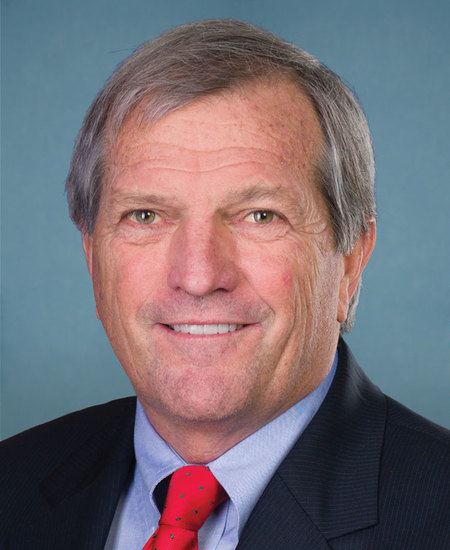
Rep. Mark DeSaulnier
Sponsored bills
Equal Access to the Right Nutrition for Military Families (EARN) Act of 2021 This bill facilitates the participation of military households in the Supplemental Nutrition Assistance Program (SNAP) by excluding from income limits the housing allowance provided to members of the Armed Forces and modifying administration and other aspects of the program.
Animal Freedom from Testing, Experiments, and Research Act of 2021 or the AFTER Act of 2021 This bill requires federal research facilities to facilitate the adoption or nonlaboratory placement of certain warm-blooded animals (e.g., dogs, cats, monkeys, guinea pigs, hamsters, and rabbits) with animal rescue organizations, animal sanctuaries, animal shelters, or individuals. In order to be adopted or placed, the animals must (1) no longer be needed for research; (2) be suitable for release; (3) not be birds, rats, or mice.
Maddy summaryThis bill (HR 5430) would add wigs to Medicare's list of covered durable medical equipment. It directly affects Medicare beneficiaries who require wigs due to medical conditions like hair loss from cancer treatment, as certified by their doctor. The key provision requires a dermatologist, oncologist, or attending physician to provide written certification of medical necessity before Medicare covers the wig as part of rehabilitative treatment. This change expands existing coverage for cranial prostheses under Medicare's rules without altering the program's overall structure.
Furthering Opioid Services, Training, and Education Resources Act or the FOSTER Act This bill reauthorizes through FY2026 and expands the scope of grants available for states and Indian tribes to address the opioid crisis. Specifically, the bill allows the use of grant funds for workforce recruitment and training, health care services, and foster and adoptive parent recruitment and training to support opioid abuse prevention and treatment services for children and caregivers, kinship care families, and kinship caregivers.
Designates the facility of the United States Postal Service located at 9317 Bolsa Avenue, in Westminster, California, as the "General Tran Hung Dao Post Office."
Indigenous Peoples' Day Act This bill designates Indigenous Peoples' Day as a legal public holiday in lieu of Columbus Day.
COVID Defense Act This bill rescinds specified defense appropriations and authorizes funding for manufacturing and delivering COVID-19 vaccines internationally.
Improving Access to Home Dialysis Act of 2021 This bill provides for Medicare coverage of staff-assisted home dialysis services for certain individuals with end-stage renal disease (ESRD). Specifically, the bill provides for coverage of services for ESRD individuals who are either initiating peritoneal or home hemodialysis or receiving home dialysis and are unable to self-dialyze due to illness, injury, caregiver issues, or other temporary circumstances. The Centers for Medicare & Medicaid Services must develop a payment system for such services. The bill also requires the development of a patient-centered decision tool that includes home dialysis as an option, as well as a report on racial disparities with respect to the use of staff-assisted home dialysis services.
This bill requires the Department of Defense (DOD) to conduct outreach to build awareness among former members of the Armed Forces of the process established for the review of discharge characterizations related to sexual orientation (i.e., on the basis of Don't Ask, Don't Tell or a similar policy). DOD must also provide for specified relief for former members of the Armed Forces who were impacted by the discharge characterizations and ensure that DOD oral historians review related facts and receive testimony from affected individuals.