

This concurrent resolution commends the bravery, courage, and resolve of the women and men of Iran who are (1) participating in the current protests to defend their fundamental human rights, and (2) risking their safety to speak out against the human rights abuses committed by the Iranian regime. The resolution condemns (1) the brutal beating and death of Mahsa Amini; and (2) the violent suppression by the Iranian regime of women and men participating in the current demonstrations, including children, and calls for transparent accountability for all killings of protesters by Iranian security forces. Finally, the resolution encourages continued efforts by the Biden Administration to respond to the protests, including the recent sanctioning of the Iranian morality police.
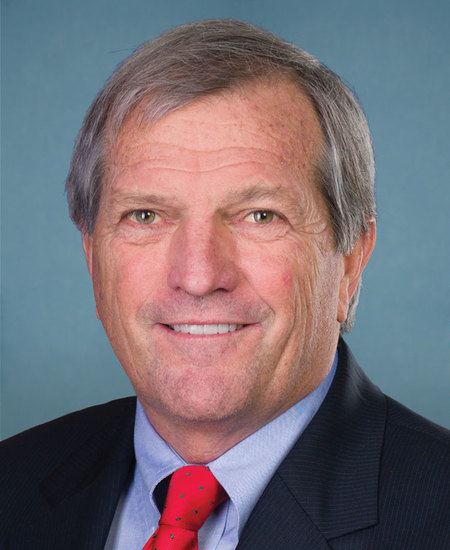
Rep. Mark DeSaulnier
Sponsored bills
End Tuberculosis Now Act of 2022 This bill authorizes actions, including the provision of international assistance, to combat tuberculosis. The President may provide international assistance for the prevention, treatment, control, and elimination of tuberculosis. The President must also establish goals for U.S. efforts to detect, cure, and prevent all forms of tuberculosis globally by updating the U.S. Government Tuberculosis Strategy (2015-2019) and the National Action Plan for Combating Multidrug-Resistant Tuberculosis. The Government Accountability Office must periodically report to Congress on the impact of efforts to combat tuberculosis that are supported by U.S. bilateral assistance.
Veteran Service Recognition Act of 2022 This bill addresses immigration-related issues pertaining to noncitizen (or non-U.S. national) military veterans, including by authorizing the Department of Homeland Security (DHS) to provide lawful permanent resident status to a veteran subject to removal. If a noncitizen veteran appears to be eligible for lawful permanent resident status under this bill, that veteran must receive a reasonable opportunity to apply for such status and may not be removed until there is a final administrative decision on the veteran's eligibility. For the purposes of providing such status under this bill, DHS may waive any applicable grounds of inadmissibility, except for certain crime- or security-related grounds. The bill also extends certain deadlines relating to obtaining citizenship after serving in the Armed Forces. DHS must create a system for identifying noncitizens who are or may be veterans. Before initiating removal proceedings against a noncitizen, DHS must attempt to determine whether the noncitizen is a veteran. DHS must ensure that veteran status is considered in immigration proceedings. The bill also requires U.S. Citizenship and Immigration Services (USCIS) and the Department of Defense to take certain actions to facilitate opportunities for military recruits and veterans to obtain U.S. citizenship, such as by training Judge Advocate General Corps members to act as liaisons between the Armed Forces and USCIS on servicemember citizenship applications. The bill also establishes the Military Family Immigration Advisory Committee to provide recommendations on cases involving the removal of a servicemember, veteran, or certain family members of a servicemember or veteran. Such an individual may not be removed until the committee has provided a recommendation to DHS about the individual's case, unless the individual is inadmissible due to a conviction for an aggravated felony. The bill also waives certain grounds of inadmissibility (e.g., being unlawfully present in the United States) for certain noncitizens applying for lawful permanent resident status as an immediate relative of a U.S. citizen who has served at least two years in the Armed Forces.
Truth and Healing Commission on Indian Boarding School Policies Act This bill establishes the Truth and Healing Commission on Indian Boarding School Policies in the United States and sets forth its powers, duties, and membership. Among other duties, the commission must investigate the impacts and ongoing effects of the Indian Boarding School Policies (federal policies under which American Indian, Alaska Native, and Native Hawaiian children were forcibly removed from their family homes and placed in boarding schools). Further, the commission must develop recommendations on ways to (1) protect unmarked graves and accompanying land protections; (2) support repatriation and identify the tribal nations from which children were taken; and (3) discontinue the removal of American Indian, Alaska Native, and Native Hawaiian children from their families and tribal communities by state social service departments, foster care agencies, and adoption agencies.
Airport Energy Resiliency and Renewable Energy Act This bill directs the Department of Transportation to establish a grant program to incentivize air carrier airports to acquire or install new renewable energy generation resources that directly and substantially benefit such airports, including solar photovoltaic panels, battery storage systems, or microgrids.
Designates the facility of the United States Postal Service located at 6444 San Fernando Road in Glendale, California, as the "Paul Ignatius Post Office."
The Jackie Walorski Maternal and Child Home Visiting Reauthorization Act of 2022 This bill reauthorizes through FY2027, increases funding for, and modifies the Maternal, Infant, and Early Childhood Home Visiting Program. This program supports home visits for expectant and new parents who live in communities that are at-risk for poor maternal and child health outcomes. Changes to the program include setting out requirements for allocating program funds; increasing the percentage of funds reserved for tribal entities; establishing a publicly available dashboard that reports program outcomes; requiring activities to reduce unnecessary data collection, reporting, and other administrative requirements of the program; and allowing for virtual home visits (provided certain conditions are met). The bill also reduces funding for the Medicare Improvement Fund.
Offshore Oil and Gas Worker Whistleblower Protection Act This bill prohibits an employer from discharging or discriminating against employees working in waters above the Outer Continental Shelf who report or testify about violations of the Outer Continental Shelf Lands Act, including about unsafe conditions or the adequacy of any oil spill response plan required by law. The bill establishes procedures for the filing, investigation, and adjudication of a whistle-blower complaint. Additionally, employers are required to post a notice approved by the Department of Labor explaining employee rights and remedies in a conspicuous workplace location; provide training to employees about their rights within 30 days of employment, and at least once every 12 months thereafter; and provide employees with a card containing a toll-free telephone number for obtaining information or for filing a complaint.
This resolution condemns Iran's state-sponsored persecution of its Baha'i minority and its continued violation of the international covenants on human rights. Further, it calls on Iran to immediately release all imprisoned or detained Baha'is, and it urges the President and the Department of State to impose sanctions on Iranian officials and others who are responsible for serious human rights abuses, including abuses against Iran's Baha'i community.
Food Deserts Act This bill establishes a Department of Agriculture program to provide grants to states for revolving funds to support the establishment and operation of grocery stores in underserved communities. An underserved community is a community that has (1) limited access to affordable, healthy foods, including fresh fruits and vegetables, in grocery retail stores or farmer-to-consumer direct markets; and (2) a high rate of hunger or food insecurity or a high poverty rate. States must use the funds to make loans to support grocery stores in underserved communities, including for opening a store (excluding new construction), or supporting or purchasing an existing store. States may only make loans for grocery stores that meet requirements related to emphasizing unprocessed, healthful foods; providing staple foods and a variety of raw fruits and vegetables; having a plan to keep the foods in stock; charging affordable prices at or below market averages; meeting specified matching requirements using nonfederal funds; and being qualified to operate a store or having partnerships with organizations that provide technical assistance. States must prioritize loan applications from entities that meet criteria related to hiring workers from the underserved community, providing classes or educational information about a healthful diet, sourcing food from local urban farms and gardens, or demonstrating existing supply chain relationships or expertise in the grocery industry.