

Resident Physician Shortage Reduction Act of 2023 This bill increases the number of residency positions eligible for graduate medical education payments under Medicare for qualifying hospitals, including hospitals in rural areas and health professional shortage areas. Current law provides for an increase of up to 200 positions per fiscal year beginning in FY2023, with a total increase of 1,000 positions; each hospital may receive up to 25 additional positions. Current law also provides for an additional increase of up to 200 positions for FY2026, with at least 100 of these positions for psychiatry or related specialties; each hospital may receive up to 10 additional positions. The bill provides for an additional increase of 2,000 positions per fiscal year from FY2025-FY2031; during this period, each hospital may receive up to 75 additional positions in total under the bill and current law. Additionally, one-third of the positions that are made available under the bill must be allocated to hospitals that are already operating above applicable resident limits. The bill also requires the Government Accountability Office to report on strategies to increase the diversity of the health professional workforce, including with respect to representation from rural, low-income, and minority communities.
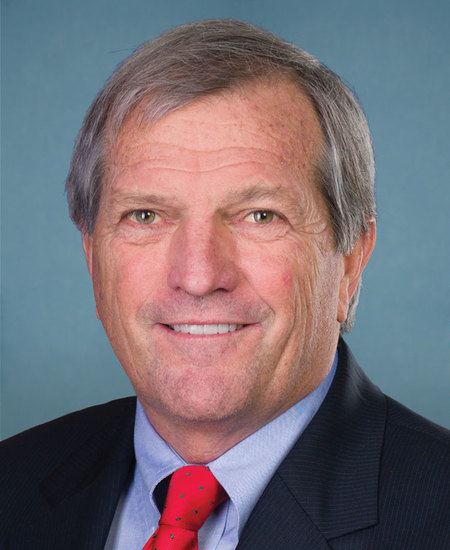
Rep. Mark DeSaulnier
Sponsored bills
Maddy summaryHR 1839, the Combating Illicit Xylazine Act, makes the illicit use and distribution of xylazine a federal crime by adding it to the Controlled Substances Act. The bill broadly defines xylazine to cover numerous chemical variants and prohibits human use or non-licit distribution, while preserving legitimate veterinary and pharmaceutical uses. It requires tracking xylazine in drug supply chains and mandates two reports to Congress within 1 and 4 years on its prevalence, sources, and whether it should be rescheduled. The bill directly affects individuals distributing or using xylazine illicitly, including as an additive to drugs like fentanyl, and aims to address its public health risks. Congress declared illicit xylazine an "emerging drug threat" under existing law.
Maddy summaryThe Women's Health Protection Act of 2023 would protect access to abortion services by prohibiting states from imposing restrictions that are more burdensome than those for comparable medical procedures. The bill would ensure people can obtain abortion services before fetal viability without unnecessary limitations like mandatory waiting periods or biased counseling, and after viability when necessary to protect the patient's life or health. It would preempt state laws that conflict with these protections and allow for civil enforcement actions to challenge restrictive state laws. This bill directly affects people seeking abortion services (including transgender and nonbinary individuals who can become pregnant), health care providers, and states that have implemented abortion restrictions.
Maddy summaryHR 2501, titled "Sunset for the 2001 Authorization for Use of Military Force Act," would end the 2001 law (Public Law 107-40) that authorized military force following the September 11 attacks. The bill directly affects military operations currently justified under that 2001 authorization, requiring future actions to seek new congressional approval. It mandates the repeal of the 2001 AUMF 240 days after the bill becomes law, ending its legal authority. The bill states Congress finds the 2001 authorization has been used too broadly, conflicting with constitutional war powers.
Maddy summaryHR 1509 reauthorizes annual federal funding for the Healthy Food Financing Initiative (HFFI), which helps establish grocery stores and healthy food access in underserved communities. The bill mandates increasing annual funding from $25 million in fiscal year 2024 up to $50 million per year starting in 2028. This funding supports projects like new supermarkets in "food desert" areas, directly benefiting residents in low-income neighborhoods with limited grocery options. The initiative provides grants and loans to developers, aiming to improve nutrition access without changing existing program rules.
Minorities in Aviation Education Act of 2023 This bill establishes grants for increasing the exposure and access of students to the aviation industry, with a particular focus on women and minorities. Specifically, the Department of Transportation (DOT) must establish the Bessie Coleman Aviation Education Program to award the grants to state and local governments or educational agencies for activities that increase exposure and access to aviation-related education and jobs, such as programs to increase the recruitment and retention of underrepresented minorities in aviation degree programs. DOT must prioritize grant applicants that propose to use the funds to encourage the participation of women, minorities, and individuals in rural and urban areas in the aviation industry.
Maddy summaryHRES 273 is a symbolic House resolution supporting National Women's History Month for March 2023. It expresses the House's recognition of the goals and ideals of this annual observance, which honors women's historical contributions and the women's suffrage movement. The resolution specifically acknowledges women and organizations that promote teaching women's history and the suffrage movement. As a non-binding resolution, it does not create new laws or policies but serves as a formal acknowledgment of historical achievements.
Maddy summaryThe RISE Act (HR 2401) requires colleges to accept multiple types of documentation - such as past Individualized Education Programs (IEPs), Section 504 plans, or licensed professional evaluations - to verify a student’s disability for accommodations, rather than requiring current evaluations. It also mandates institutions to publicly share clear, accessible processes for determining accommodation eligibility and to report specific disability-related enrollment data (like total students with disabilities and accommodations used) to federal databases. The bill authorizes $10 million for a national support center to assist postsecondary students with disabilities. It applies directly to institutions of higher education and students formally registered with disability services offices, without altering existing ADA definitions or rights.
Maddy summaryHR 2403, the Enhanced Background Checks Act of 2023, modifies federal firearm background check procedures to address delays. It requires firearm licensees to wait at least 10 business days after a prospective buyer submits a petition verifying they are not prohibited from owning firearms before completing a sale, if the background check system hasn't cleared the transaction. The bill also mandates the Attorney General to create an electronic petition form, provide timely responses to petitions, and track delays. Additionally, it requires multiple reports analyzing implementation, transaction delays, denial reasons by state, and potential impacts on domestic violence victim safety, with the first report due within 150 days of enactment.
Gun Trafficker Detection Act This bill requires gun owners to report the theft or loss of a firearm to law enforcement within 48 hours. A violation is subject to criminal and civil penalties. Additionally, the bill requires states to use at least 5% of funds under the Edward Byrne Memorial Justice Assistance Grant program to implement effective management and collection of data related to lost or stolen firearms that are reported to law enforcement.