

Indian Buffalo Management Act This bill establishes a permanent program within the Department of the Interior to develop and promote tribal ownership and management of buffalo and buffalo habitat on Indian lands. Specifically, the bill requires Interior to (1) enter into contracts, award grants, and provide technical assistance to Indian tribes and tribal organizations for activities related to buffalo restoration or management; (2) consult with tribes and tribal organizations on initiatives that affect buffalo or buffalo habitat, including efforts to contain or eradicate diseased buffalo; and (3) develop a policy relating to buffalo and buffalo habitat management activities on Indian land. Additionally, Interior may enter into agreements with tribes or tribal organizations to transport surplus buffalo from federal land onto Indian land.
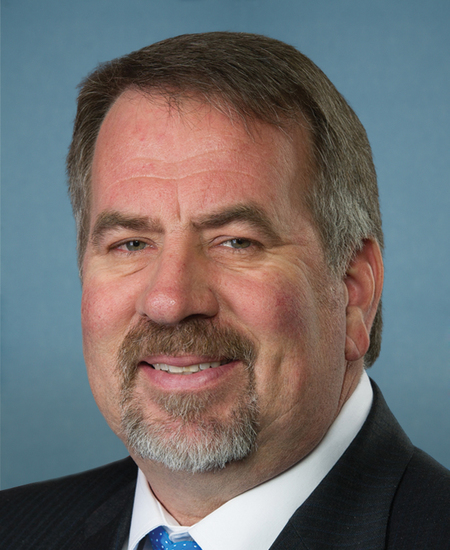
Rep. Doug LaMalfa
Sponsored bills
Crucial Communism Teaching Act This bill directs the Victims of Communism Memorial Foundation to develop a civic education curriculum and oral history resources for high school students to promote understanding of certain political ideologies (e.g., communism and totalitarianism) that conflict with principles of U.S. democracy.
Northern Spotted Owl Habitat Improvement Act of 2021 The bill provides statutory authority for the rule published on January 15, 2021, by the U.S. Fish and Wildlife Service entitled Endangered and Threatened Wildlife and Plants; Revised Designation of Critical Habitat for the Northern Spotted Owl .
Conscience Protection Act of 2021 This bill provides statutory authority for certain protections for health care providers that refuse to participate in abortions based on religious beliefs or other convictions. Health care providers include individual professionals, medical facilities, health insurance organizations, and social services providers that refer clients to health care services. The federal government and entities that receive federal funding for health-related activities, including state and local governments, may not discriminate against a health care provider that refuses to be involved in, or provide coverage for, abortions. Currently, similar requirements apply to various related activities, including certain employment or personnel decisions (the Church Amendments), abortion services training (the Coats-Snowe Amendment), qualified health plans offered through health insurance exchanges, and annual appropriations bills for the Department of Health and Human Services (HHS) and other federal agencies (the Weldon Amendment). The HHS Office for Civil Rights must investigate complaints of this kind of discrimination. Furthermore, HHS may terminate or reduce HHS funding for health-related activities if a person or entity fails to comply with nondiscrimination requirements. Additionally, the Department of Justice or any entity adversely affected by such discrimination may bring a civil action to obtain appropriate relief. A plaintiff does not need to seek or exhaust administrative remedies before bringing the action. A plaintiff may also bring an action, including one for money damages, against a governmental entity. In many cases, principles of sovereign immunity shield states and some localities from these kinds of actions.
Medicare Stability for Patients and Providers Act This bill prohibits the Centers for Medicare & Medicaid Services (CMS) from implementing the clinical labor price updates in a specified rule that was issued on November 19, 2021, relating to the Medicare physician fee schedule for 2022. The CMS must also analyze and report on information relating to the physician fee schedule in general, including whether it has accurately reflected medical inflation or should be reformed.
Maddy summaryHR 6020, the Supporting Medicare Providers Act of 2021, extends temporary Medicare payment increases for physicians through 2022 instead of ending them on January 1, 2022. It updates specific dates in Medicare law (Section 1848(t) of the Social Security Act) to maintain current payment rates for doctors treating Medicare patients. This directly affects physicians and clinics participating in Medicare who rely on these temporary payment adjustments. The bill makes no new policy changes but ensures existing payment levels continue for providers during 2022.
Fairness for Federal Contractors Act of 2021 This bill prohibits executive agencies from requiring contractors to receive a COVID-19 vaccination. The bill also requires the Government Accountability Office to study the degree to which Executive Order 14042 (Ensuring Adequate COVID Safety Protocols for Federal Contractors) caused disruptions to federal contracts, supply chains, and transportation systems.
This joint resolution nullifies a Department of Labor emergency temporary standard for preventing the transmission of COVID-19 in employment settings. Under the standard issued on November 5, 2021, employers with 100 or more employees must require their onsite employees to either be fully vaccinated against COVID-19 or undergo weekly COVID-19 testing.
Maddy summaryThis bill removes a temporary expiration date for telehealth coverage in health insurance plans. It amends two sections of the Internal Revenue Code to permanently allow health plans to cover telehealth services without the prior deadline of December 31, 2021. The key change makes existing telehealth coverage rules permanent for health insurance plans under federal tax law. This directly affects health insurance plans that provide telehealth benefits, ensuring they can continue covering these services without needing to renew temporary provisions. The bill does not change what telehealth services are covered, only makes the coverage rules permanent.
This concurrent resolution declares that Congress should not impose any new performance fee, tax, royalty, or other charge relating to the public performance of sound recordings on a local radio station for broadcasting sound recordings over the air, or on any business for such public performance of sound recordings.