No Pro-Abortion Task Force Act This bill prohibits federal funding of the Reproductive Healthcare Access Task Force. The Department of Health and Human Services launched the task force on January 21, 2022, to identify and coordinate departmental activities related to accessing sexual and reproductive health care.
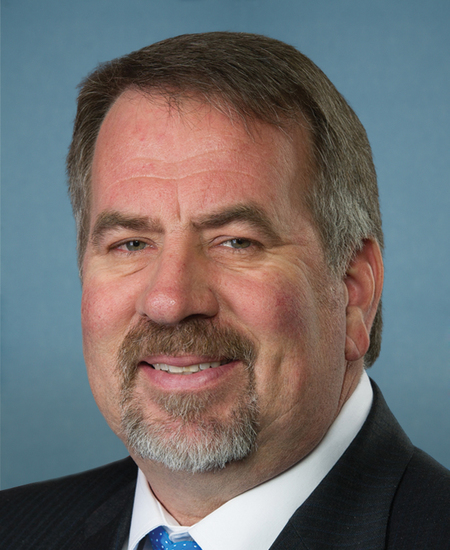
Rep. Doug LaMalfa
Sponsored bills
This resolution supports the designation of a National FFA Week. It also (1) recognizes the important role of the National FFA Organization (Future Farmers of America) in developing the next generation of leaders who will change the world, and (2) celebrates 70 years of the National FFA Organization's membership magazine.
This resolution recognizes the importance of the alliance between the United States and Germany and the strong ties between the populations and governments.
Readable Legislation Act of 2022 This bill requires every bill or joint resolution that amends an existing section of an act to set forth the entire section, showing proposed changes to that section by appropriate typographical device. This eliminates the current practice of revising or amending a section of an act by mere reference to it.
Preventing Illicit Paraphernalia for Exchange Systems Act or the PIPES Act This bill restricts the use of funding made available through the American Rescue Plan Act of 2021 for community-based overdose prevention programs, syringe services programs, and other harm reduction programs. First, the bill prohibits the use of the act's funding to procure or distribute pipes or other paraphernalia that can be used to smoke, inhale, or ingest narcotics. Second, the bill applies to the act's funding the conditions that apply to other funding from the Department of Health and Human Services for syringe services programs and needle exchange programs. The conditions require that programs (1) operate in a jurisdiction experiencing (or at risk for) increased transmission of hepatitis and HIV infections due to injection drug use, (2) use nonfederal funds for the purchase of syringes or needles, and (3) otherwise follow applicable laws.
Native American Burial Sites and Cultural Resources Protection Act This bill directs the Department of the Army to identify, and cooperate with appropriate property owners to set aside, areas that may be used for the reburial of Native American human remains and funerary objects that have been identified or discovered at the site of a civil works project carried out, or operated and maintained, using federal funds; have been rightfully claimed by any affected Indian tribe; and can be reburied in a manner secure from future disturbances. Army shall issue written guidance for recovery and reburial that meets or exceeds the recovery and reburial standards in policy statements and guidance issued by the Advisory Council on Historic Preservation. Army may not exercise the power of eminent domain to acquire any property for use for reburial. Army may convey to an affected Indian tribe for use as a cemetery or reburial area any area that is located on land owned by Army and has been identified and set aside in accordance with this bill.
Safeguarding Women's and Children's Health Act of 2022 This bill imposes reporting requirements relating to abortion drugs. The Food and Drug Administration (FDA) must require health care practitioners to report (1) any death or adverse event associated with the use of an abortion drug, whether or not the adverse event is considered drug-related; and (2) each time the practitioner prescribes, dispenses, or administers such a drug. The FDA must establish online portals for health care practitioners to report such information and for patients to self-report adverse events. The Centers for Disease Control and Prevention must aggregate the collected information and annually publish data about such drugs, including the number of prescriptions and adverse events occurring within 120 days of use.
This resolution supports the designation of Career and Technical Education Month to celebrate career and technical education across the United States.
Health Care for Burn Pit Veterans Act This bill updates policies and procedures related to Department of Veterans Affairs (VA) health care and benefits for veterans who have been exposed to toxic substances. Specifically, the bill extends the eligibility period for VA hospital care, medical services, and nursing home care for combat veterans who served after September 11, 2001, and were exposed to toxic substances, radiation, or other conditions, including those who did not enroll to receive VA care during the eligibility period. The VA must incorporate into its existing health care screening a screening to help determine potential exposures to toxic substances during military service. Among other requirements, the VA must also provide annual training to health care and benefits personnel with respect to veterans who were exposed to toxic substances; analyze total and respiratory disease mortality in veterans who served in specified locations on specified dates; conduct an epidemiological study on the health trends of veterans who served in the Armed Forces after September 11, 2001; conduct a study to determine trends in the rates of the incidence of cancer in veterans; publish a list of VA resources for veterans who were exposed to toxic substances, families and caregivers of such veterans, and survivors of such veterans who are receiving death benefits; and report on the data quality of the Individual Longitudinal Exposure Record and its usefulness in supporting veterans in receiving VA health care and benefits.

Designates the facility of the United States Postal Service located at 120 4th Street in Petaluma, California, as the "Lynn C. Woolsey Post Office Building."