

Maddy summaryThe SCREEN Act requires online platforms that host pornographic content for profit to implement age verification technology to block minors from accessing such material. It applies to platforms operating in the U.S. market or interstate commerce that create, host, or distribute content deemed "harmful to minors" (including pornography). Platforms must publicly disclose their verification methods, secure user data collected for age checks, and prevent minors from accessing prohibited content. The Federal Trade Commission will enforce these requirements through audits, treating violations as unfair business practices under existing law.
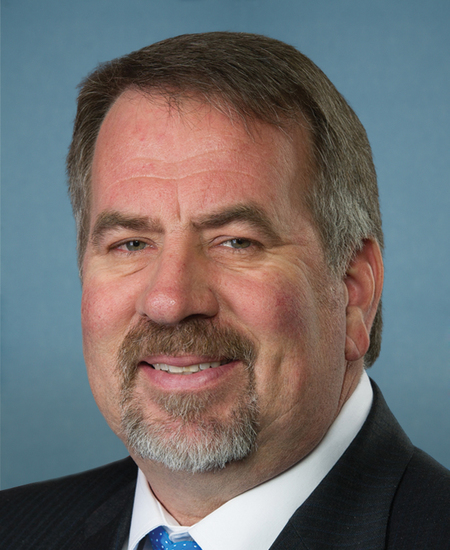
Rep. Doug LaMalfa
Sponsored bills
Maddy summaryHR 6432, the Safeguarding Honest Speech Act, prohibits federal agencies from using funds to require employees or contractors to use preferred pronouns or names that conflict with a person’s biological sex at birth (defined as "sex" based on reproductive biology and genetics). It directly affects federal workers and contractors by banning mandatory language use tied to gender identity. The bill mandates agencies issue a formal response within 30 days of a complaint about such policies and allows affected employees to sue for damages, including up to $100,000 in punitive damages, with a one-year statute of limitations. Key provisions focus on preventing compelled speech in federal workplaces through funding restrictions and enforceable legal remedies.
Maddy summaryThis bill appropriates $14.3 billion in supplemental security funding to Israel following the October 7, 2023 attacks. The funding includes $4 billion for Iron Dome and David's Sling defense systems, $1.35 billion for the Iron Beam defense system development, and $3.5 billion for foreign military financing. The bill requires regular reporting to Congress on security assistance provided to Israel and designates all funds as "emergency requirements" under federal budget law. It also modifies existing laws to facilitate the transfer of defense articles and services to Israel, aiming to strengthen Israel's defense capabilities against rocket threats.
Maddy summaryHR 4717, the Locally Led Restoration Act of 2023, amends forest management rules to allow private entities and local groups to propose wildfire hazard fuel removal projects on federal lands. Key provisions require at least 10% of removed vegetation to be "salvage" (dead or dying trees), set a 120-day deadline for federal agencies to respond to proposals, and adjust the timber sale threshold from $10,000 to $55,000 (with future annual inflation adjustments). The bill directly affects private landowners, local governments, and forest management agencies by changing how stewardship contracts for wildfire prevention are processed. It prohibits projects in wilderness areas or roadless zones and mandates environmental reviews before contracts are finalized.
Adding Coccidioidomycosis to the FDA Priority Review Voucher Program Act of 2023 This bill expands the priority-review voucher program for tropical diseases to include coccidioidomycosis (also known as Valley fever). A voucher entitles the holder to have a future new drug or biological product application acted upon by the Food and Drug Administration within six months.
Maddy summaryThis bill, HR 6258 (GUARD Act), amends federal child welfare funding to require states receiving funds under the Child Abuse Prevention and Treatment Act to refrain from taking adverse actions against parents who oppose medical, social, or psychological interventions related to a minor's gender identity expression. It directly affects states receiving these federal funds by prohibiting discrimination against parents who believe a minor's gender identity conflicts with their biological sex (determined at birth), regardless of medical diagnoses. Key provisions withhold federal funding from any state violating this requirement, and allow affected parents to sue to stop funding to noncompliant states and recover funds. The law focuses on protecting parental rights regarding minors' care decisions, not on mandating specific medical treatments.
Maddy summaryThe SHIP Act imposes sanctions on foreign entities that knowingly handle Iranian petroleum, targeting those involved in port operations, transportation, refining, or ship-to-ship transfers of Iranian oil. Starting 90 days after enactment, the President must block assets, deny visas, and impose penalties on individuals or companies engaging in these activities, including family members or owners of sanctioned entities. It requires annual reports tracking Iran's oil exports, revenues, and key players like shipping companies and ports. The sanctions terminate if the President certifies Iran has stopped supporting terrorism and dismantled weapons programs.
Maddy summaryThis bill prohibits federal funding for Planned Parenthood Federation of America and its affiliates, clinics, or related entities. It directs that funds previously allocated to Planned Parenthood must instead support other providers - including community health centers, hospitals, and clinics - that offer women’s health services like contraception, cancer screenings, and prenatal care. The bill explicitly states it does not reduce overall federal funding for women’s health care or affect existing abortion-related funding restrictions in appropriations laws. It ensures continued access to these services through alternative providers, particularly in underserved communities.
Maddy summaryThe Combatting Fentanyl Poisonings Act of 2023 authorizes federal grants to state/local law enforcement and nonprofit organizations to address fentanyl-related harms. It provides funding for law enforcement to target social media platforms used for selling controlled substances (including education on counterfeit fentanyl risks) and for nonprofits to run public awareness campaigns about fentanyl dangers, including naloxone training and support for families affected by fentanyl deaths. Grants under section 509(a) are capped at $50,000 per nonprofit, with strict limits prohibiting funds for harm reduction supplies (except naloxone). The bill reserves $10 million for law enforcement grants and $2 million for public awareness grants under this act.
Maddy summaryHCONRES 74 is a non-binding congressional resolution expressing support for the Geneva Consensus Declaration, a 2020 agreement signed by 36 countries affirming that no international right to abortion exists, protecting life at all stages, and prioritizing the family as society's foundation. It urges the U.S. to rejoin this declaration, which the Biden administration temporarily withdrew from, while noting existing U.S. laws already prohibit federal funding for abortions or coercive family planning abroad. The resolution does not create new laws but calls on the President to restore U.S. participation and directs oversight to ensure U.S. foreign aid aligns with current abortion funding restrictions. It directly addresses U.S. foreign policy engagement with international health initiatives but does not affect domestic laws or policies.