

Maddy summaryHRES 1509 is a symbolic resolution designating the week beginning November 11, 2024, as "National Pregnancy Center Week." It recognizes community-supported pregnancy centers across the U.S. for providing services like pregnancy testing, counseling, ultrasounds, parenting education, and material support to individuals facing pregnancy decisions. The resolution highlights that these centers, which serve approximately 2 million people annually through volunteer and staff efforts, operate as local, nonprofit organizations. It does not create new laws or funding but formally acknowledges their role in offering support to women and men.
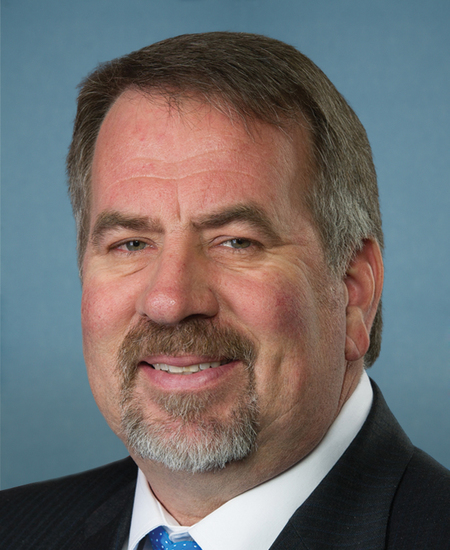
Rep. Doug LaMalfa
Sponsored bills
Maddy summaryHR 9814, the Rural Homeownership Continuity Act of 2024, simplifies the process for rural homeowners to transfer FHA-guaranteed mortgages when selling their homes. It requires the Secretary of Housing and Urban Development to create a rule within one year establishing a process allowing a qualified buyer to assume the existing loan, while fully relieving the original borrower and any co-borrowers or guarantors of liability. This directly affects rural homeowners using the Doug Bereuter Section 502 Single Family Housing Loan Guarantee Program who wish to sell their property without remaining responsible for the mortgage. The key provision eliminates the seller's ongoing financial obligation upon a successful transfer to a qualified buyer.
Maddy summaryHR 5509, the Electronic Permitting Modernization Act, requires the U.S. Department of the Interior to create modern online systems for processing permits and related paperwork. It mandates a centralized public website with easy navigation links to all electronic permitting systems and contact information for DOI staff assisting state, tribal, and local governments. The bill aims to reduce paper use, improve service efficiency, and increase public access to permitting information. The Secretary must also provide regular updates to congressional committees on implementation progress.
Maddy summaryThis bill reauthorizes existing programs to protect endangered and threatened fish species in the Upper Colorado and San Juan River Basins through 2031. It extends annual funding for capital projects ($50 million per year, adjusted for inflation) and annual base operations ($80 million total over 8 years, split as $52.9 million for the Upper Colorado and $27.1 million for the San Juan). The bill updates legal definitions to include "threatened" species and clarifies how funds from federal agencies (like power revenues) and non-federal partners (states, tribes, water users) can be used. It directly affects the Bureau of Reclamation, the Upper Colorado River Basin states (Colorado, New Mexico, Utah, Wyoming), and entities participating in the recovery programs. The funding continues the existing 1987 and 1992 cooperative agreements without altering their environmental goals.
Maddy summaryHR 3433, the "Give Kids a Chance Act of 2024," requires pharmaceutical companies developing certain cancer drugs to conduct pediatric studies if the drugs target molecular pathways relevant to childhood cancers. It directly affects drug manufacturers submitting new applications for cancer treatments, particularly those combining previously approved adult cancer drugs or containing a single new active ingredient. The bill amends FDA regulations to mandate these pediatric investigations only when specific conditions are met, such as when a drug's molecular target is relevant to pediatric cancer growth. The FDA must issue implementing guidance within 12 months, and reports to Congress will track implementation and effectiveness starting 2 years after enactment.
Maddy summaryHJRES 136 is a resolution seeking to block an Environmental Protection Agency (EPA) rule that would have set new emissions standards for light and medium-duty vehicles sold in 2027 and later model years. The EPA rule, published in April 2024, aimed to require vehicle manufacturers to meet stricter pollution limits for these vehicles. If passed, this resolution would cancel the rule, preventing the EPA from enforcing the new standards. It uses a congressional process that allows Congress to reject agency rules with a simple majority vote.
Maddy summaryHR 9745, the Lifesaving Gear for Police Act of 2024, removes barriers for state and local law enforcement agencies to access existing federal equipment. It prohibits federal agencies from enforcing any regulations (since May 15, 2015) that limit the transfer of Department of Defense or other federal equipment to police departments, unless Congress passes those rules into law. The bill also requires agencies to return or replace equipment recalled since 2015 under those regulations, provided the agency requests it, meets existing eligibility rules, and the equipment is available. This directly affects police departments that previously had equipment seized or denied under the blocked regulations. The law focuses on restoring access to current equipment-sharing programs, not creating new funding or gear.
Maddy summaryHJRES 144 is a congressional disapproval resolution targeting a specific rule issued by the Bureau of Alcohol, Tobacco, Firearms, and Explosives (ATF) on April 19, 2024. The resolution seeks to block the ATF's rule that redefined the term "engaged in the business" for firearm dealers, which would have affected how federal licensing requirements apply to certain sellers. If enacted, this resolution would nullify the rule, preventing it from taking effect under procedures in Title 5 of the U.S. Code. The bill directly impacts firearm dealers operating under the current regulatory framework and the ATF's enforcement authority.
Maddy summaryThis bill requires the U.S. Postal Service to publicly disclose emergency post office closures within 24 hours (via physical signs and website notices) and notify relevant local officials, congressional representatives, and state officials within 5 days. It mandates that notifications include the closure reason, temporary mail delivery solutions, and expected end date. If a closure lasts 30 days, the Postal Service must open a 30-day public comment period; for 60-day closures, the Postal Regulatory Commission reviews the closure and relocation planning begins. The Postal Service must also submit annual reports to Congress starting in 2025 detailing all emergency closures, their duration, and reasons. This directly affects post offices, local governments, and congressional representatives in affected communities.
Maddy summaryThis bill requires federal agencies to better assess how regulations impact small businesses by expanding the types of regulations that must be analyzed, requiring consideration of both negative and positive economic effects, and adding detailed analysis requirements. It expands the definition of "small entity" to include tribal organizations, adds requirements for analyzing land management plans and certain tax-related rules, and gives the Small Business Administration's Chief Counsel additional authority to review agency rules. The bill also includes a provision to waive fines for small businesses' first-time paperwork violations, aiming to make the regulatory process more responsive to small business needs.