

Maddy summaryHJRES 89 is a congressional disapproval resolution that blocks an Environmental Protection Agency (EPA) rule concerning California's vehicle and engine pollution standards. The resolution specifically targets the EPA's "Omnibus Low NOX Regulation" and waiver of preemption, which would have allowed California to enforce stricter emissions rules. By disapproving this rule under Chapter 8 of Title 5 U.S. Code, Congress has nullified the EPA's action, meaning the regulation will have no legal effect. This directly affects the EPA's authority to approve California's state-level pollution control standards for motor vehicles.
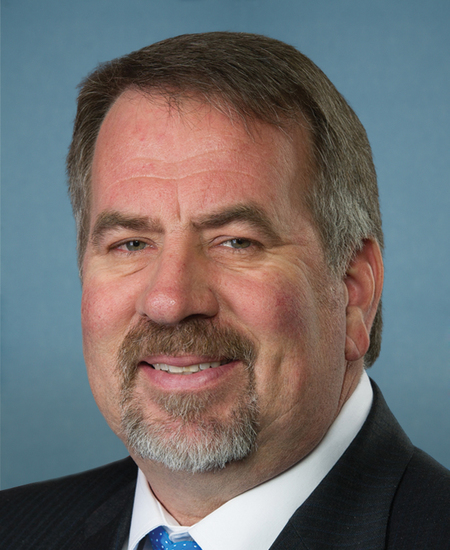
Rep. Doug LaMalfa
Sponsored bills
Maddy summaryHR 884 prohibits non-U.S. citizens from voting in all District of Columbia elections, including for public office and ballot initiatives. It directly affects non-citizen residents of Washington, D.C., who currently vote under the repealed 2022 law. The bill repeals the Local Resident Voting Rights Amendment Act of 2022 (D.C. Law 24-242), restoring the previous rule that limited voting to U.S. citizens. This changes D.C.'s local election rules by removing voting rights for non-citizens, applying only to District-level elections, not federal elections.
Maddy summaryHRES 496 is a non-binding House resolution condemning violent riots in Los Angeles that occurred on June 6, 2025. It specifically addresses protests that turned violent after immigration enforcement actions, including arson, vandalism, attacks on officers, and burning American flags. The resolution recognizes the right to peaceful protest while unequivocally condemning violence against law enforcement and urging local/state leaders to collaborate with federal authorities to restore order. It also expresses gratitude to law enforcement agencies for protecting communities during the unrest. As a symbolic statement, it does not create new laws or directly affect any individuals or entities.
Maddy summaryHR 589, the FACE Act Repeal Act of 2025, would repeal a federal law (Section 248 of Title 18, U.S. Code) that prohibited obstructing access to reproductive health care facilities through physical means, intimidation, or violence. This repeal would eliminate the federal criminal penalty for such conduct, meaning federal prosecutors could no longer charge individuals under this specific law. The bill applies to all pending or future federal prosecutions related to these actions. It does not affect state laws that may still regulate access to reproductive health care facilities.
Maddy summaryHRES 481 is a symbolic resolution condemning recent antisemitic attacks in the U.S., specifically referencing the June 1, 2025, Boulder, Colorado, assault on a Jewish community gathering and other incidents like the May 2025 Washington, D.C., embassy shooting. It formally recognizes a pattern of violence targeting Jewish individuals and institutions, including attacks during religious events. The resolution calls on law enforcement to thoroughly investigate and prosecute such incidents and urges elected officials to publicly oppose antisemitism and politically motivated violence. As a non-binding resolution, it does not create new laws or allocate funding but serves to affirm congressional stance against antisemitism.
Maddy summaryThis bill prohibits the Federal Emergency Management Agency (FEMA) from delaying flood map revisions (called "letters of map revision") when property owners add fill material (like soil or gravel) to their land. It directly affects homeowners and developers who need updated flood maps for construction, repairs, or insurance purposes. The provision requires FEMA to issue these revisions promptly, preventing unnecessary delays that could lead to higher flood insurance costs. The bill expires once FEMA fully implements wildlife protection requirements under the Endangered Species Act related to fill placement.
Maddy summaryHR 3773 (PROTECT Act of 2025) amends federal law to recognize tribal courts as having authority equivalent to state courts for certain electronic evidence cases. It requires that warrants for electronic communications stored 180 days or less must follow procedures from the Indian Civil Rights Act (25 U.S.C. 1302(a)(2)) when issued by tribal courts. The bill also expands tribal jurisdiction over controlled substance offenses (like drug trafficking or possession) and firearms offenses (such as possession by domestic violence offenders) by defining these terms for tribal courts. This directly affects tribal courts and tribal law enforcement by standardizing legal procedures for evidence handling and broadening their authority under federal law. The changes align tribal court processes with federal and state standards for digital evidence and criminal jurisdiction.
Maddy summaryHR 649, the Whole Milk for Healthy Kids Act of 2025, amends the National School Lunch Act to allow schools participating in the program to offer students both organic and non-organic whole milk, in addition to reduced-fat, low-fat, and fat-free options. Key provisions include clarifying that milk fat in whole milk should not count toward saturated fat limits for meal compliance, prohibiting schools from purchasing milk from Chinese state-owned enterprises, and ensuring schools cannot be barred from offering the full range of milk types listed. The bill directly affects public and private schools serving the National School Lunch Program by expanding their milk options for students. It focuses on concrete policy changes to dietary offerings and sourcing restrictions within the school nutrition program.
Maddy summaryThis bill would reform immigration parole by requiring the Secretary of Homeland Security to grant temporary entry only on a case-by-case basis for urgent humanitarian needs or significant public benefit, reversing what the bill describes as systemic overuse. It imposes a strict annual cap of 3,000 paroles starting in fiscal year 2029, restricts parole for nationals of designated "countries of concern" without a State Department waiver, and allows states to sue if they claim financial harm exceeding $100 from parole decisions. The bill directly affects immigrants seeking temporary entry and DHS officials administering the program. Key mechanisms include the new cap, country restrictions, and state lawsuit provisions to enforce compliance.
Maddy summaryHRES 461 is a symbolic resolution recognizing the economic contributions of independent workers (such as freelancers, app-based earners, and contractors). It highlights that 73 million Americans engaged in freelance work in 2024, contributing $1.5 trillion to the economy, and notes that many value the flexibility of independent work. The resolution does not create new laws or change policies - it simply acknowledges these workers’ role and the benefits of flexible work arrangements. It also references concerns about legislation that might reclassify independent workers as employees, potentially overriding state laws like California’s Prop 22. This resolution has no binding effect on existing laws or regulations.