

Maddy summaryHR 7208 reauthorizes three existing programs under the Public Health Service Act through 2029, extending current funding periods that previously expired after 2024. It updates the authorization periods for (1) traumatic brain injury prevention efforts, (2) state grants for TBI-related projects, and (3) state grants supporting protection and advocacy services for people with disabilities. The bill directly affects states receiving federal grants under these programs by allowing continued funding for services like TBI care coordination, community support, and legal advocacy. No new policies or funding levels are created - only the timeline for existing programs is extended. This is a procedural reauthorization, not a policy change.
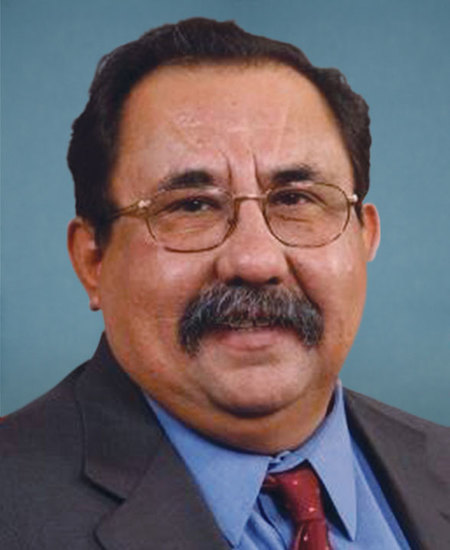
Rep. Raúl M. Grijalva
Sponsored bills
Maddy summaryThis bill modifies Medicaid and CHIP rules to let eligible out-of-state healthcare providers enroll without extra state screening. It applies to providers already in Medicare or their home state program, with low fraud risk, serving children under 21 with complex medical conditions. Providers would receive 5 years of enrollment under this streamlined process, eliminating state-level barriers. The change directly affects children seeking specialized care across state lines and the providers who serve them.
Maddy summaryHRES 1461 is a symbolic resolution designating September 2024 as "National Voting Rights Month" to raise awareness about voting access. It encourages all U.S. citizens to uphold voting rights, supports existing voting rights legislation like the Freedom to Vote Act, and recommends schools teach about voting history and current restrictions. The resolution specifically aims to highlight efforts to address historical and ongoing barriers affecting historically marginalized groups, including Black, Latino, and disabled voters. It does not create new laws but promotes educational initiatives and media campaigns about registration deadlines and election access.
Maddy summaryHR 9639, the AI Ads Act, amends the Federal Election Campaign Act to prohibit using AI-generated content (like deepfakes or synthetic media) in campaign materials as fraudulent misrepresentation of campaign authority or fraudulent fund solicitation. It directly affects political campaigns, candidates, committees, and anyone creating campaign ads by requiring that AI-generated content cannot falsely claim to represent a candidate, party, or committee. The bill updates existing rules to explicitly include "content generated in whole or in part with artificial intelligence" within the definitions of fraud under Sections 322(a)(1) and 322(b)(1). This ensures that misleading AI-generated ads - such as those falsely attributing a statement to a candidate - would be treated as illegal fraud under current campaign finance law.
Maddy summaryThe Skills Against Violence Act of 2024 creates a new federal workforce program to help survivors of domestic violence, sexual assault, dating violence, stalking, trafficking, and harassment secure employment. It authorizes grants to states, local governments, tribes, and qualified nonprofits to fund job training, counseling, workplace re-entry support, and critical services like childcare, transportation, legal aid, and mental health counseling. The program requires grantees to track outcomes (e.g., number of survivors served, job placements) and report annually to the Office on Violence Against Women, with a summary report to Congress every two years starting in 2026. Funding is authorized for fiscal years 2025 through 2029.
Maddy summaryHRES 1448 is a non-binding House resolution stating that the House believes every person has the right to emergency health care, including abortion care, during medical emergencies. It specifically addresses concerns that abortion restrictions force medical providers to choose between treating patients in life-threatening situations or risking criminal charges. The resolution highlights that such restrictions disproportionately harm Black, Indigenous, people of color, immigrants, low-income individuals, and LGBTQI+ patients. It does not change existing laws but expresses congressional support for ensuring access to emergency care without legal barriers. The resolution was introduced by multiple House members and referred to the Energy and Commerce Committee.
Maddy summaryThe Polluters Pay Climate Fund Act of 2024 would require major fossil fuel companies that emitted more than 1 billion metric tons of carbon dioxide between 2000 and 2022 to pay a tax based on their historical emissions. The tax revenue would fund a new Climate Fund that would provide $15 billion annually for disaster response and resilience programs through FEMA, $6 billion for clean air initiatives, and mandate 40% of funds support environmental justice communities. The fund would finance climate resilience projects including climate-resilient infrastructure, ecosystem restoration, and support for vulnerable communities affected by climate change. Companies could pay the tax over nine years, and the bill explicitly states it does not affect existing legal claims against polluters for climate-related damages.
Maddy summaryThe National STEM Week Act designates an annual National STEM Week to promote science, technology, engineering, and math (STEM) education. It directs a federal committee to coordinate activities encouraging schools, families, and STEM industry partners to host events like student mentorship programs and home-based learning. The bill requires annual reports to Congress on participation rates and the impact of these activities on improving STEM engagement. It directly affects educational institutions (from elementary to college), students, families, and STEM businesses across all 50 states and territories.
Maddy summaryThis bill requires school food service personnel to complete mandatory training on preventing food allergies, identifying reaction symptoms, and responding appropriately. It mandates certification for staff and provides accessible training in relevant languages and formats for individuals with limited English proficiency or disabilities. The bill also directs the development of nutrition education materials for WIC participants (including pregnant/postpartum individuals, infants, and children with allergies) and authorizes $1 million annually for implementation from 2024-2028. It directly affects school food workers and WIC participants impacted by food allergies across child nutrition programs.
Maddy summaryHRES 1437 is a ceremonial resolution designating the week beginning September 9, 2024, as "National Hispanic-Serving Institutions Week." It recognizes Hispanic-serving institutions (HSIs) - colleges and universities with at least 25% Hispanic enrollment - and their role in educating low-income students, advancing economic mobility, and serving 31.7% of all undergraduate students. The resolution calls for the public and organizations to observe this week with ceremonies and activities during Hispanic Heritage Month. It does not create new laws, allocate funding, or change existing policies - it is purely a symbolic gesture of recognition.