Maddy summaryHRES 238 is a non-binding House resolution expressing the House's position that every person has the basic right to emergency health care, including abortion care during medical emergencies. It does not create new laws or alter existing regulations but formally states the House's view that abortion restrictions in emergencies endanger patients' health and lives. The resolution specifically highlights how current abortion bans put pregnant people at risk during life-threatening conditions like hemorrhage or infection, disproportionately impacting Black, Indigenous, people of color, immigrants, and low-income individuals. It serves as a symbolic statement opposing policies that restrict emergency reproductive care access.
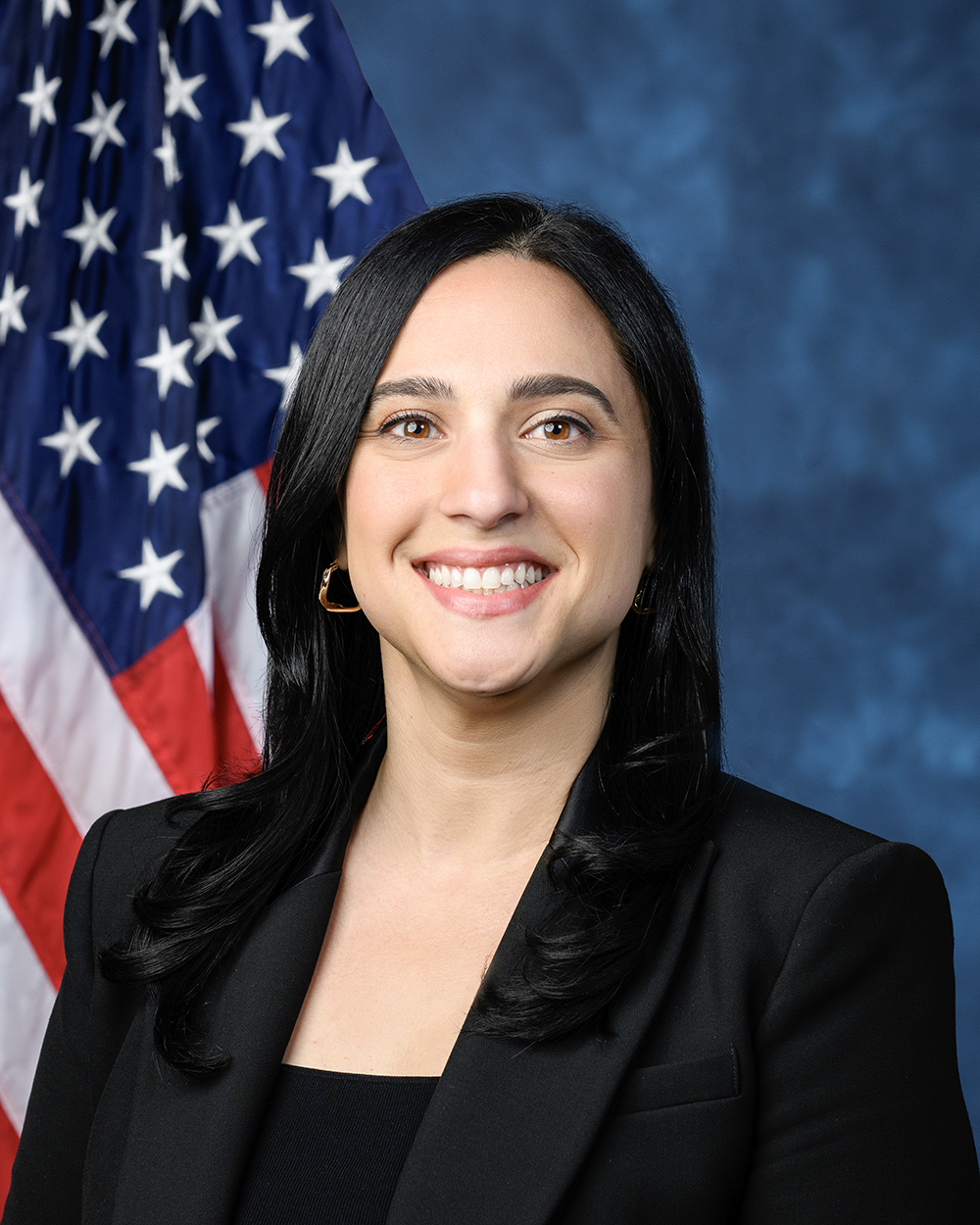
Rep. Yassamin Ansari
Sponsored bills
Maddy summaryThis bill creates a dedicated Inspector General (IG) position specifically for the Office of Management and Budget (OMB). It clarifies that the OMB IG's oversight authority is limited to matters explicitly assigned by law, preventing broader jurisdiction. The President must appoint this IG within 120 days of the bill's enactment. The bill directly affects OMB's internal oversight structure and the new IG's defined role, with no direct impact on the public or other agencies.
Maddy summaryThis bill closes a tax loophole by explicitly including tar sands oil under the definition of "crude oil" for federal excise tax purposes. It directly affects oil producers who previously avoided excise taxes on tar sands-derived oil by exploiting the existing definition gap. The key mechanism amends the tax code to state that "crude oil" encompasses oil derived from tar sands, ensuring it is taxed identically to conventional crude oil. The change applies to excise taxes under Section 4611 of the Internal Revenue Code, requiring producers to pay these taxes on tar sands oil moving forward. The bill takes effect upon enactment.
Maddy summaryHR 2092, the SPEAK Act of 2025, requires the Health and Human Services Secretary to create guidance for healthcare entities within one year of enactment. This guidance focuses on improving telehealth access for people with limited English proficiency, directly affecting health IT companies, hospitals, insurers, language service providers, and interpreters. Key provisions include best practices for using interpreters during video appointments, providing multilingual patient materials (like appointment reminders and prescriptions), and making digital health portals accessible. The bill aims to standardize language access in telehealth services without changing existing laws.
Maddy summaryHR 2129, the "No Round Up Act," repeals outdated provisions from the 1940 Alien Registration Act within U.S. immigration law. It specifically removes requirements for aliens to register, provide fingerprints, and submit forms under sections 261-266 of the Immigration and Nationality Act. This directly affects immigrants who would have been subject to these mandatory registration procedures under the repealed law. The bill eliminates these specific administrative mandates without creating new requirements or altering broader immigration enforcement mechanisms.
Maddy summaryHRES 216 is a resolution condemning the leadership of the House Republican Conference for allowing a social media post that falsely questioned the immigration status and patriotism of Congressman Adriano Espaillat (Chairman of the Congressional Hispanic Caucus). The resolution specifically names House Speaker Mike Johnson, Majority Leader Steve Scalise, Majority Whip Tom Emmer, and other top Republican leaders as responsible for the post. It characterizes the post as xenophobic and inappropriate, stating such rhetoric violates the standards of conduct expected of members of Congress.
Maddy summaryHR 2029, the "Stop Comstock Act," amends federal obscenity laws to remove outdated restrictions on abortion and contraception. It deletes references to "indecent" materials and abortion-related language from Title 18 (e.g., removing "or means for procuring abortion" from section 552 and revising definitions in sections 1461 and 1462). The bill clarifies that federal law does not prohibit the distribution of materials related to abortion or contraceptives, updating how "obscene" is defined. These changes directly affect federal enforcement of obscenity laws, particularly regarding medical information and devices. The bill focuses on modernizing statutory language to align with current legal standards for protected speech and healthcare access.
Maddy summary# Summary of the Water Rights Settlement Act This comprehensive legislation resolves long-standing water rights claims for three Native American tribes in the Colorado River Basin: 1. **Navajo Nation, Hopi Tribe, and San Juan Southern Paiute Tribe** - The act establishes specific water allocations and delivery systems for these tribes, including the implementation of the "iiná bá - paa tuwaqat'si" pipeline (a major water delivery infrastructure project). 2. **Water Rights Settlement** - The legislation satisfies tribal water rights claims through: - Quantification of water entitlements - Specific delivery mechanisms - Accounting rules for Colorado River water (distinguishing between Upper Basin and Lower Basin water) - Implementation of the "iiná bá - paa tuwaqat'si" pipeline system 3. **Reservation Creation** - The legislation ratifies a treaty creating the San Juan Southern Paiute Reservation (approximately 5,400 acres within the Navajo Reservation), establishing it as a reservation held by the U.S. in trust for the San Juan Southern Paiute Tribe. 4. **Key Implementation Provisions**: - Detailed accounting rules for Colorado River water (Section 17) - Limited waiver of sovereign immunity for enforcement purposes (Section 18) - Authorization for use of Navajo-Gallup Water Supply Project facilities (Section 20) - Specific requirements for Upper Basin water use in the Lower Basin 5. **Legal Framework**: - Includes comprehensive waivers of claims and releases of liability - Establishes an "Enforceability Date" with specific conditions for implementation - Includes specific provisions to ensure the settlement doesn't prejudice other water rights claims - Addresses unique circumstances of this settlement (Section 21(f)) This legislation represents a major settlement of water rights claims that has been negotiated between the federal government, the states, and the tribes, with specific implementation mechanisms and accounting rules for Colorado River water. It resolves critical water supply needs for these tribes while addressing complex legal and operational aspects of water rights in the Colorado River Basin.

Resident Education Deferred Interest Act or the REDI Act This bill allows borrowers in medical or dental internships or residency programs to defer student loan payments until the completion of their programs.
Maddy summaryThis bill blocks new U.S. defense export licenses to the United Arab Emirates (UAE) or its government agencies. It prohibits the export of specific military equipment (listed in U.S. regulations) until the President certifies the UAE is not supplying military aid to Sudan's Rapid Support Forces. The restriction applies to defense articles covered under U.S. export rules, including weapons and related technology. The bill directly affects U.S. defense exporters and the UAE government's ability to obtain new military equipment from the U.S.