

Relief for Restaurants and other Hard Hit Small Businesses Act of 2022 This bill addresses support for restaurants, arts and entertainment venues, and small businesses impacted by the COVID-19 pandemic. The bill provides an additional $42 billion in FY2021 for the Restaurant Revitalization Fund and gives priority to previous applicants who have not received a grant. The Small Business Administration (SBA) must provide to applicants an explanation for denied applications, establish a reconsideration process for denied applications, and institute an audit and oversight plan with respect to grant recipients. Additionally, the bill establishes the Hard Hit Industries Award Program for small businesses that suffered a pandemic-related revenue loss of 40% or more. Aggregate grant amounts are capped at $1 million. Funds may be used for expenses including mortgage, rent, and utility payments and payroll. SBA must prioritize entities that have experienced significant pandemic-related revenue loss, with first priority going to those that experienced a loss of at least 80%, and second priority going to those that experienced a loss of at least 60%. Finally, the bill extends to March 11, 2023 (or a later date as determined by the SBA), the time frame during which Shuttered Venue Operators Grant recipients may use grant funds to cover their expenses.
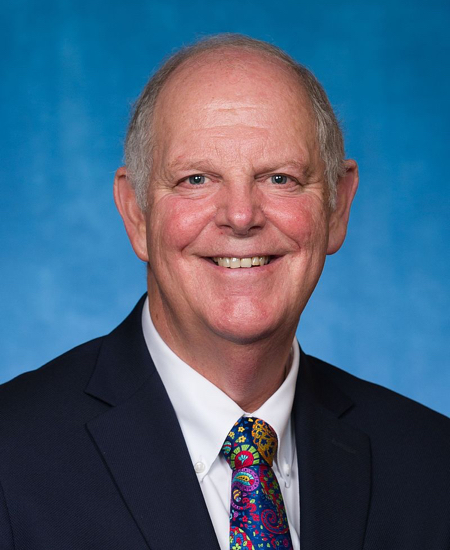
Rep. Tom O’Halleran
Sponsored bills
Bipartisan Background Checks Act of 2021 This bill establishes new background check requirements for firearm transfers between private parties (i.e., unlicensed individuals). Specifically, it prohibits a firearm transfer between private parties unless a licensed gun dealer, manufacturer, or importer first takes possession of the firearm to conduct a background check. The prohibition does not apply to certain firearm transfers or exchanges, such as a gift between spouses in good faith.
Maddy summaryHRES 1141 is a symbolic resolution designating the week of May 23-27, 2022, as "Educator Mental Health Awareness Week." It expresses congressional support for recognizing the mental health challenges faced by teachers and school staff, particularly during the pandemic. The resolution highlights statistics showing heightened stress, depression, and anxiety among educators, as reported in 2021 surveys. It urges awareness of educator well-being but does not create new programs, funding, or legal requirements. The resolution serves only as a non-binding statement of support.
Connecting Rural Telehealth to the Future Act This bill modifies requirements relating to coverage of telehealth services under Medicare. Specifically, the bill extends through 2024 certain flexibilities that were initially authorized during the public health emergency relating to COVID-19. Among other things, the bill allows (1) rural health clinics and federally qualified health centers to serve as the distant site (i.e., the location of the health care practitioner), (2) the home of a beneficiary to serve as the originating site (i.e., the location of the beneficiary) for all services (rather than for only certain services), and (3) other types of practitioners to furnish telehealth services.
Violence Against Women Reauthorization Act of 2021 This bill modifies and reauthorizes through FY2026 programs and activities under the Violence Against Women Act that seek to prevent and respond to domestic violence, sexual assault, dating violence, and stalking. The bill also authorizes new programs, makes changes to federal firearms laws, and establishes new protections to promote housing stability and economic security for victims of domestic violence, sexual assault, dating violence, and stalking.
Fraud and Scam Reduction Act This bill expands activities to address mail, telephone, and internet fraud, particularly such scams targeting older adults. The bill establishes a Senior Scams Prevention Advisory Group, which must create model educational materials to educate employees of retailers, financial-services companies, and wire-transfer companies on how to identify and prevent scams that affect older adults. Further, the Federal Trade Commission (FTC) must establish an advisory office in the Bureau of Consumer Protection to assist the FTC in monitoring scams targeting older adults, educating consumers, and receiving complaints.
Prevent Blood Loss with Emergency Equipment Devices Act of 2022 or the Prevent BLEEDing Act of 2022 This bill establishes grants to make available anti-blood loss supplies (e.g., tourniquets, wound-packing materials, and gloves) in high-traffic and other specified areas for use in medical emergencies. The Office of the Assistant Secretary for Preparedness and Response within the Department of Health and Human Services must award the grants to state, tribal, and local governments. Additionally, the Government Accountability Office must study trends in accessing bleeding control kits and training in their use.
Helping Employees Navigate Rabies Regulations from over Yonder or the HENRY Act This bill directs certain actions to allow federal officers and employees to bring dogs into the United States from countries that are considered high-risk for rabies. Among other provisions, the bill directs the Centers for Disease Control and Prevention (CDC) to allow federal officers and employees who are stationed abroad, including members of the military, to bring up to three dogs into the United States per entry; the CDC may allow for more dogs through specialized waivers.
Native American Language Resource Center Act of 2021 This bill authorizes the Department of Education to make a grant to or enter into a contract with an eligible entity (e.g., an institution of higher education) to establish, operate, and staff a Native American language resource and training center. The center must serve as a resource to improve the capacity to teach and learn Native American languages.
Community Services Block Grant Modernization Act of 2022 This bill reauthorizes the Community Services Block Grant program through FY2032 and otherwise modifies the program. The program supports various antipoverty activities, primarily through formula-based allotments to states, Indian tribes, and territories. In particular, the bill makes changes to the program's administration and leadership; performance measurement; and allotments to states and territories. The bill also expands eligibility for services and activities funded by the program to 200% of the federal poverty line (FPL). Under current law, eligibility is generally set at the FPL.