

Uyghur Policy Act of 2021 This bill addresses human rights issues concerning the Uyghurs and other minority groups in the Xinjiang Uyghur Autonomous Region in China. The bill authorizes the establishment of a Special Coordinator for Uyghur Issues position within the Department of State. The State Department's Bureau of Educational and Cultural Affairs may, subject to appropriations, make certain funds available to human rights advocates working on behalf of Uyghurs and members of other ethnic and religious minority groups persecuted in China. The funds, if made available, shall be used to facilitate the presence of such human rights advocates at public diplomacy forums to speak on issues related to the human rights and religious freedoms of minority groups persecuted in China. The State Department must ensure that Uyghur language training is available to Foreign Service officers. It must also ensure that a Uyghur-speaking member of the Foreign Service is assigned to U.S. diplomatic and consular missions in China.
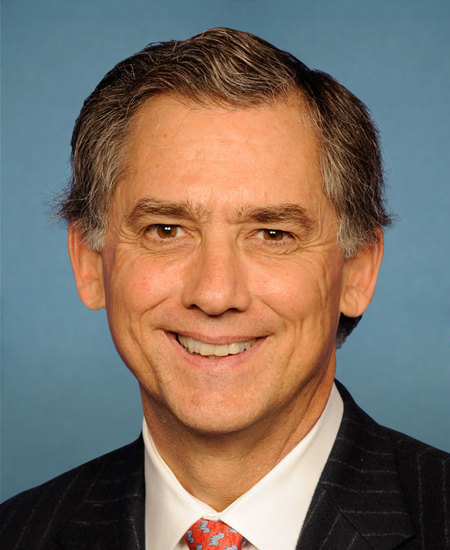
Rep. J. French Hill
Sponsored bills
Lymphedema Treatment Act This bill provides for Medicare coverage of lymphedema compression treatment items. Specifically, the bill provides for coverage of standard and custom fitted gradient compression garments and other approved items that are prescribed by a physician or other specified health care professional to treat lymphedema.
Prevent All Soring Tactics Act of 2022 or the PAST Act of 2022 This bill addresses the practice of soring horses. The soring of horses includes various actions taken on horses' limbs to produce higher gaits that may cause pain, distress, inflammation, or lameness. Specifically, the bill expands soring regulation and enforcement at horse shows, exhibitions, sales, and auctions, including by establishing a new system for inspecting horses for soring. In addition, the bill increases penalties for violations.
This bill temporarily authorizes the Department of the Treasury to waive, on a case-by-case basis, statutory requirements that govern the U.S. Executive Directors at international financial institutions with respect to their use of the voice and vote of the United States. Treasury must periodically issue a report that (1) lists each waiver issued since the previous report, if any; (2) describes the project or policy that each waiver applied to; (3) provides a detailed explanation of the reasons for each waiver; and (4) includes a determination that each waiver allowed Treasury to more effectively advance U.S. interests at the institution involved. Treasury must review existing statutory requirements and submit any recommendations to revise or sunset the requirements with the objectives of strengthening U.S. leadership, facilitating multilateral cooperation, reflecting changing conditions, and advancing the U.S. national interest.
Consumer Financial Education and Empowerment Act This bill establishes within the Consumer Financial Protection Bureau a program to award allocations to state governments, local governments, and other entities for financial literacy programs. Programs eligible for awards may include education regarding credit, student loan debt, homeownership, investments, retirement, or tax planning.
Protecting Pain-Capable Unborn Children from Late-Term Abortions Act This bill establishes a new criminal offense for performing or attempting to perform an abortion if the probable gestational age of the fetus is 15 weeks or more. A violator is subject to criminal penalties—a fine, a prison term of up to five years, or both. The bill provides exceptions for an abortion (1) that is necessary to save the life of the pregnant woman, or (2) when the pregnancy is the result of rape or incest. A physician who performs or attempts to perform an abortion under an exception must comply with specified requirements. A woman who undergoes a prohibited abortion may not be prosecuted for violating or conspiring to violate the provisions of this bill.
Secure Every School and Protect Our Nation’s Children Act or the STOP II Act This bill reauthorizes and supports various grants to enhance school safety and security initiatives. It also provides statutory authority for the federal clearinghouse of school safety resources. (The clearinghouse identifies and publishes best practices and recommendations for school safety for use by state and local educational and law enforcement agencies, institutions of higher education, health professionals, and the public.)
Public Servant Protection Act of 2022 This bill allows government officials to demand that persons and interactive computer service providers (e.g., social media companies) remove certain forms of their personal information from the internet. Specifically, a federal, state, territorial, tribal, or local government official may make a demand in writing for the removal of the official's (or an immediate family member's) home address or home phone number that is publicly displayed online. Within 48 hours of receiving a demand, a person displaying the address or phone number online must remove it and may not publicly display a removed address or phone number online during the 4-year period following receipt of the demand. A provider must also remove within 48 hours of receiving a demand the address or phone number publicly displayed through its service. Officials may sue a person or provider for failing to remove an applicable address or phone number. Courts may award to an aggrieved official injunctive relief, the greater of actual damages or $1,000, and reasonable costs and attorney's fees.
National Education Association Charter Repeal Act This bill repeals the federal charter granted to the National Education Association of the United States.
Employee Rights Act This bill makes various changes with respect to the collective bargaining process and labor relations. For example, the bill permits an employer to refuse to collectively bargain with a union within 90 days prior to the expiration of a collective bargaining agreement if the employer receives evidence that the majority of the employees in the bargaining unit do not support the union. The bill requires support from a majority of the employees in the bargaining unit (not just a majority of the employees voting) when electing union representation. The bill also requires unions to provide bargaining unit employees with the right to vote by secret ballot, including when voting whether to engage in a strike or refusal to work. Further, union dues, fees, assessments, and other contributions may be used for only collective bargaining or contract administrative functions. Additionally, the bill establishes a process for nullifying executive orders that the Office of Management and Budget determines are likely to result in an employer ordering a plant closure or mass layoff.