

Maddy summaryHR 9830, the Fair Credit for American Hostages Act, protects U.S. citizens wrongfully detained or held hostage abroad by preventing credit bureaus from reporting negative credit information during their detention period. It applies specifically to individuals certified as "covered consumers" under the Robert Levinson Hostage Recovery Act, requiring official documentation from the Special Presidential Envoy for Hostage Affairs or the Hostage Recovery Fusion Cell. Credit reporting agencies must remove any adverse credit entries tied to the time period of unlawful detention or captivity once they verify this documentation. The law directly affects victims of wrongful detention by ensuring their credit reports reflect the period of captivity as neutral, not negative.
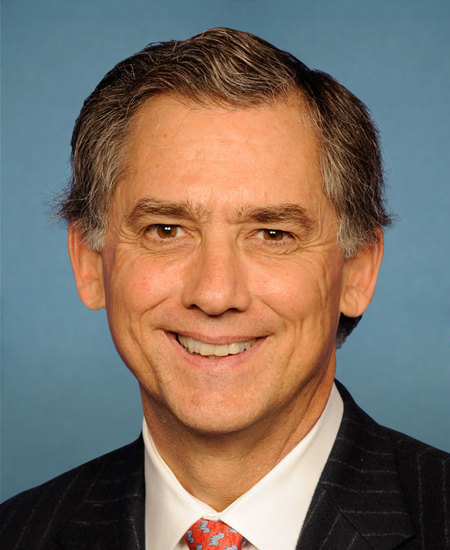
Rep. J. French Hill
Sponsored bills
Maddy summaryHRES 1348 is a non-binding resolution urging Nigeria to immediately release Tigran Gambaryan, a U.S. citizen and former IRS agent detained since February 2024. The resolution cites his unlawful detention after legal deadlines expired, deteriorating health (including malaria), and poor conditions at Kuje Prison, where he was transferred despite a court order for hospital care. It calls for Nigeria to grant him medical access, consular support, and due process, while urging the U.S. government to use all resources to secure his release. The resolution highlights concerns that his detention appears linked to pressure on his employer, Binance, rather than legitimate legal grounds.
Maddy summaryThis bill mandates a DHS-led interagency working group to assess threats to U.S. undersea telecommunications cables and landing stations, specifically focusing on risks from China, Russia, Iran, and other "foreign entities of concern." The group must produce a report within one year detailing existing security efforts, vulnerabilities (including reliance on foreign repair vessels), and recommendations for improving protection against espionage, cyber threats, physical damage, and natural disasters. The report will also evaluate whether DHS should lead security operations and propose new coordination mechanisms with private cable operators and international allies. This is a procedural measure requiring a study - no new security mandates - directly affecting federal agencies, cable infrastructure operators, and U.S. national security planning.
Maddy summaryThis bill blocks U.S. funding for Afghanistan through the State Department until the Secretary of State certifies that all detained U.S. citizens held by Afghanistan's government or groups within Afghanistan have been released. It requires the President to provide detailed justification to Congress if a waiver is needed to release a detained citizen, and mandates quarterly reports to Congress on the status of detained Americans and efforts to secure their release. The bill also specifies that determinations about detained citizens must follow procedures outlined in the Robert Levinson Hostage Recovery Act. It directly affects U.S. foreign aid funding for Afghanistan and the Afghan government/groups holding Americans.
Maddy summaryHJRES 144 is a congressional disapproval resolution targeting a specific rule issued by the Bureau of Alcohol, Tobacco, Firearms, and Explosives (ATF) on April 19, 2024. The resolution seeks to block the ATF's rule that redefined the term "engaged in the business" for firearm dealers, which would have affected how federal licensing requirements apply to certain sellers. If enacted, this resolution would nullify the rule, preventing it from taking effect under procedures in Title 5 of the U.S. Code. The bill directly impacts firearm dealers operating under the current regulatory framework and the ATF's enforcement authority.
Maddy summaryThe Federal Lands Amplified Security for the Homeland (FLASH) Act authorizes the construction of navigable roads on Federal lands along the southern border to improve U.S. Customs and Border Protection access, while establishing policies to reduce trash accumulation and address environmental damage from unauthorized border crossings. The bill requires agencies to develop protocols for mitigating wildfire risks through vegetation management, prohibits Federal funds from being used to provide housing for unauthorized immigrants on Federal lands, and includes provisions to address illegal cannabis cultivation and pesticide use. It mandates annual reports on waste collection and environmental impacts, and authorizes $16 million annually for initiatives to address contamination from trespass cannabis cultivation on covered Federal lands. The legislation directly affects land management operations on approximately 50 million acres of Federal lands administered by the National Park Service, Bureau of Land Management, Fish and Wildlife Service, and Forest Service along the southern border.
Maddy summaryThis resolution expresses support for designating October 2024 as "National Dyslexia Awareness Month." It does not create new laws or allocate funds but encourages Congress, schools, and state/local educational agencies to recognize dyslexia's significant educational impact. The resolution highlights dyslexia as a common learning disability affecting up to 1 in 5 people and emphasizes the importance of early screening and evidence-based interventions. It serves as a symbolic gesture to raise awareness about dyslexia's challenges and strengths, urging broader recognition without mandating specific actions.
Maddy summaryThe Regulations from the Executive in Need of Scrutiny Act of 2024 would require Congress to approve most major federal regulations before they take effect, rather than allowing agencies to implement them directly. It defines a "major rule" as one with significant economic impact ($100 million+ annually) or substantial effects on competition, jobs, or the environment. Agencies would need to submit detailed reports including cost-benefit analyses to Congress before implementing such rules, with Congress having 70 days to approve or disapprove them. The bill would also require agencies to publish guidance documents online and conduct annual reviews of existing regulations.
Maddy summaryHR 1425, the "No WHO Pandemic Preparedness Treaty Without Senate Approval Act," requires the U.S. Senate to approve any World Health Organization (WHO) pandemic preparedness treaty through a two-thirds vote. The bill deems any convention, agreement, or international instrument on pandemic prevention drafted by the WHO’s International Negotiating Body (INB) as a treaty subject to Senate ratification, rather than allowing it to take effect as an executive agreement. This directly affects U.S. foreign policy implementation regarding WHO agreements, ensuring Congress has a formal role in approving such binding international commitments. The bill stems from congressional concerns about WHO’s pandemic response and public skepticism toward the organization, as outlined in its findings.
Maddy summaryThis bill requires the Council on Environmental Quality to annually publish detailed reports starting in 2024, tracking how the National Environmental Policy Act (NEPA) impacts federal projects. The reports will include data on lawsuits challenging NEPA compliance (listing agencies and case outcomes), the length of environmental impact statements (page counts over 5 years), and timelines for completing environmental reviews (over 10 years). These reports must be publicly available with underlying data, directly affecting federal agencies that manage NEPA reviews and providing transparency for Congress and the public. The bill focuses on collecting factual data about NEPA's implementation, not changing the law itself.