

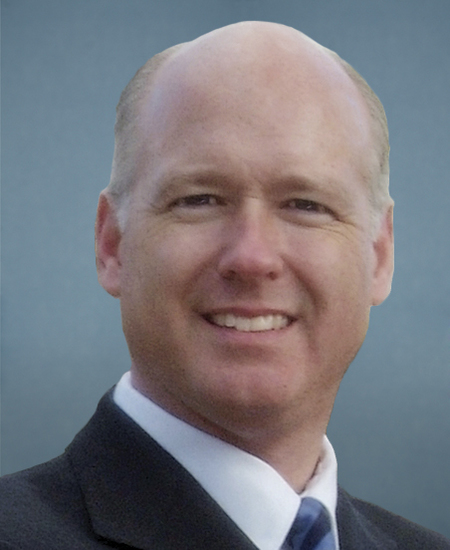
Photo of Robert B. Aderholt
R United States House · District 4 · Alabama On the 2026 ballot

Rep. Robert B. Aderholt

Compare
Total votes
2,837
all sessions
Attendance
98%
61 missed
Near the chamber average
With party
95%
of cast votes
Higher than 78% of chamber peers
Bipartisan score
3%
crosses aisle rarely
Lower than 79% of chamber peers
Sponsored
514
bills & resolutions
Lower than 84% of chamber peers
Committees
4
assignments
514 bills and resolutions

Sponsored bills

Total
514
Primary
22
Co-sponsor
492
This page
514
matching current filters
Co-sponsor HR 2802
In committee · United States House · Co-sponsor
Improving Mental Health Access for Students Act

Maddy summaryHR 2802, the Improving Mental Health Access for Students Act, requires colleges and universities to include suicide prevention contact information on student identification cards. Specifically, institutions must list the National Suicide Prevention Lifeline, Crisis Text Line, and their campus mental health center on new ID cards. Schools that don't issue ID cards must post this information on their websites instead. The requirement takes effect one year after the bill's enactment.

In committee Apr 24, 2023 1 co-sponsor
Co-sponsor HJRES 27
Vetoed · United States House · Co-sponsor
Providing for congressional disapproval under chapter 8 of title 5, United States Code, of the rule submitted by the Department of the Army, Corps of Engineers, Department of Defense and the Environmental Protection Agency relating to "Revised Definition of 'Waters of the United States'".

Maddy summaryHJRES 27 is a congressional resolution seeking to block a federal rule that redefined which waterways fall under the Clean Water Act's protections. It targets a rule submitted by the Army Corps of Engineers, Department of Defense, and Environmental Protection Agency (EPA) on January 18, 2023, which aimed to revise the "Waters of the United States" definition. The resolution would formally disapprove this rule under a specific federal procedure (Chapter 8 of Title 5), preventing it from taking effect. This would directly affect how federal agencies regulate pollution and development near water bodies, including wetlands and smaller streams.

Vetoed Apr 18, 2023 1 co-sponsor
Co-sponsor HR 2665
In committee · United States House · Co-sponsor
Supporting Safety Net Hospitals Act

Maddy summaryHR 2665 delays Medicaid payment reductions for safety net hospitals by two years, changing the effective date from 2024 to 2026 under Section 1923(f)(7)(A) of the Social Security Act. This bill directly affects hospitals that serve high numbers of low-income and uninsured patients, providing them with additional time before facing reduced federal Medicaid payments. The key mechanism is a technical amendment to existing law, postponing an already scheduled payment adjustment without altering funding levels or eligibility. As a procedural bill, it does not create new programs or change hospital requirements.

In committee Apr 18, 2023 1 co-sponsor
Co-sponsor HR 2662
In committee · United States House · Co-sponsor
Collegiate Housing and Infrastructure Act of 2023

Maddy summaryThis bill amends tax law to allow charitable organizations to fund collegiate housing projects without losing their tax-exempt status. Specifically, it permits 501(c)(3) charities to make grants for building, improving, or maintaining housing properties where full-time students live, as long as the housing is connected to a college or university. Grants cannot fund fitness facilities, and the bill clarifies that housing must primarily serve students (not incidental social activities). It directly affects charitable organizations and universities seeking tax-qualified funding for student housing infrastructure.

In committee Apr 17, 2023 1 co-sponsor
Co-sponsor HR 2380
In committee · United States House · Co-sponsor
Cellphone Jamming Reform Act of 2023

Maddy summaryHR 2380, the Cellphone Jamming Reform Act of 2023, allows state and federal correctional facilities (like prisons and jails) to operate cellphone jamming systems to block wireless signals from contraband devices or communications involving individuals held in the facility. The bill restricts the Federal Communications Commission (FCC) from blocking such jamming systems, but requires facilities to limit jamming only to housing areas, have state facilities cover all costs, and consult with local law enforcement before implementation. It defines "jamming systems" broadly to include all necessary equipment and installation details. This bill directly affects correctional facilities seeking to prevent cell phone use by inmates, particularly for security purposes related to contraband. The law does not create new restrictions on cellphone use but changes how facilities can deploy jamming technology.

In committee Apr 7, 2023 1 co-sponsor
Co-sponsor HR 1413
In committee · United States House · Co-sponsor
Expanding America’s National Cemetery Act of 2023

Maddy summaryThis bill requires the Veterans Affairs Secretary to expand or modify an existing national cemetery (under National Cemetery Administration control) before Arlington National Cemetery reaches capacity, ensuring it provides full military honors using the same standards and eligibility criteria that applied to Arlington as of March 31, 2023. It directly affects veterans and their families seeking burial with full military honors at national cemeteries nationwide. The bill also mandates a joint report within one year to Congress on expanding cemetery capacity and assessing whether interment criteria should recognize exceptional service, including impacts on women, non-combat veterans, and other groups. The key mechanism is preserving current military honors standards at alternative cemeteries to prevent Arlington's capacity limits from disrupting existing burial practices.

In committee Mar 30, 2023 1 co-sponsor
Co-sponsor HR 1
Passed · United States House · Co-sponsor
Lower Energy Costs Act

Maddy summary# Summary of the TAPP American Resources Act This comprehensive legislation, titled the "TAPP American Resources Act" (or "Transparency, Accountability, and Permitting Process for American Resources Act"), is a major overhaul of federal energy and natural resource permitting processes. The key provisions include: 1. **Streamlined Permitting Processes**: - Creates a 50-year term limit for pipeline rights-of-way - Allows oil and gas exploration on non-Federal surface estate without Federal permits - Reduces royalty rates for oil and gas leases from 16.67% to 12.5% - Limits judicial review of permits to cases involving "imminent and substantial environmental harm" 2. **NEPA Reforms**: - Expands categorical exclusions for certain energy projects - Allows use of previously completed environmental assessments for similar projects - Limits environmental reviews to areas directly affected by the proposed action - Reduces consideration of downstream effects of oil and gas consumption 3. **Mining and Mineral Development**: - Designates mining as a "covered sector" for permitting improvement - Creates a memorandum of agreement process for mining projects - Requires mineral resource assessments before land withdrawals - Ensures uranium is considered a critical mineral 4. **Revenue Sharing**: - Changes distribution of Gulf of Mexico revenue to states (37.5% to Gulf states, 62.5% to general fund) - Creates parity in offshore wind revenue sharing with offshore oil and gas - Eliminates administrative fees under the Mineral Leasing Act 5. **Water Quality Certification**: - Limits certification requirements to specific provisions of Clean Water Act sections - Requires states to publish certification requirements within 30 days - Sets 90-day timeline for states to identify additional materials needed The legislation represents a significant shift toward expediting domestic energy production while reducing regulatory burdens, with a focus on oil, gas, and mineral development on federal lands. It includes numerous amendments to existing laws including the National Environmental Policy Act, Mineral Leasing Act, Outer Continental Shelf Lands Act, and Clean Water Act.

Passed Mar 30, 2023 1 co-sponsor
Co-sponsor HR 1816
In committee · United States House · Co-sponsor
Equal Campus Access Act of 2023

Maddy summaryThis bill prohibits public colleges receiving federal funds under the Higher Education Act from denying religious student groups equal access to campus facilities and official recognition that is available to other student organizations. It directly affects public institutions of higher education that receive federal funding, requiring them to treat religious groups the same as secular groups regarding access to spaces and official status. The key provision states that schools cannot withhold these rights based on a group's religious beliefs, practices, speech, leadership standards, or conduct. The law aims to ensure religious student organizations have the same opportunities as non-religious groups on campus.

In committee Mar 27, 2023 1 co-sponsor
Co-sponsor HR 5
Passed · United States House · Co-sponsor
Parents Bill of Rights Act

Maddy summaryHR 5, the Parents Bill of Rights Act, would require public schools receiving federal funding to provide parents with greater access to educational information. The bill mandates that schools post curricula online or widely distribute it to parents, include school budgets in report cards, and provide specific information about school activities including violent incidents and plans to eliminate gifted programs. It also guarantees parents the right to meet with teachers twice a year, review library materials, and address school boards. These requirements would apply to all local educational agencies and schools covered by the Elementary and Secondary Education Act. The bill amends existing education laws to strengthen parental transparency and involvement in their children's education.

Passed Mar 27, 2023 1 co-sponsor
Co-sponsor HJRES 30
Vetoed · United States House · Co-sponsor
Providing for congressional disapproval under chapter 8 of title 5, United States Code, of the rule submitted by the Department of Labor relating to "Prudence and Loyalty in Selecting Plan Investments and Exercising Shareholder Rights".

Maddy summaryH.J. Res. 30 seeks to block a Department of Labor rule that would have required retirement plan managers (like those handling 401(k)s) to follow strict "prudence and loyalty" standards when selecting investments and voting on company matters. The rule, published in December 2022, aimed to protect retirement savings by ensuring fiduciaries prioritize participants' interests. This resolution, if passed, would prevent the rule from taking effect, avoiding new compliance requirements for retirement plan managers and sponsors. It directly affects retirement plan administrators and the millions of participants in these plans.

Vetoed Mar 23, 2023 1 co-sponsor
Showing 291 to 300 of 514 bills
Previous 1 … 29 30 31 … 52 Next